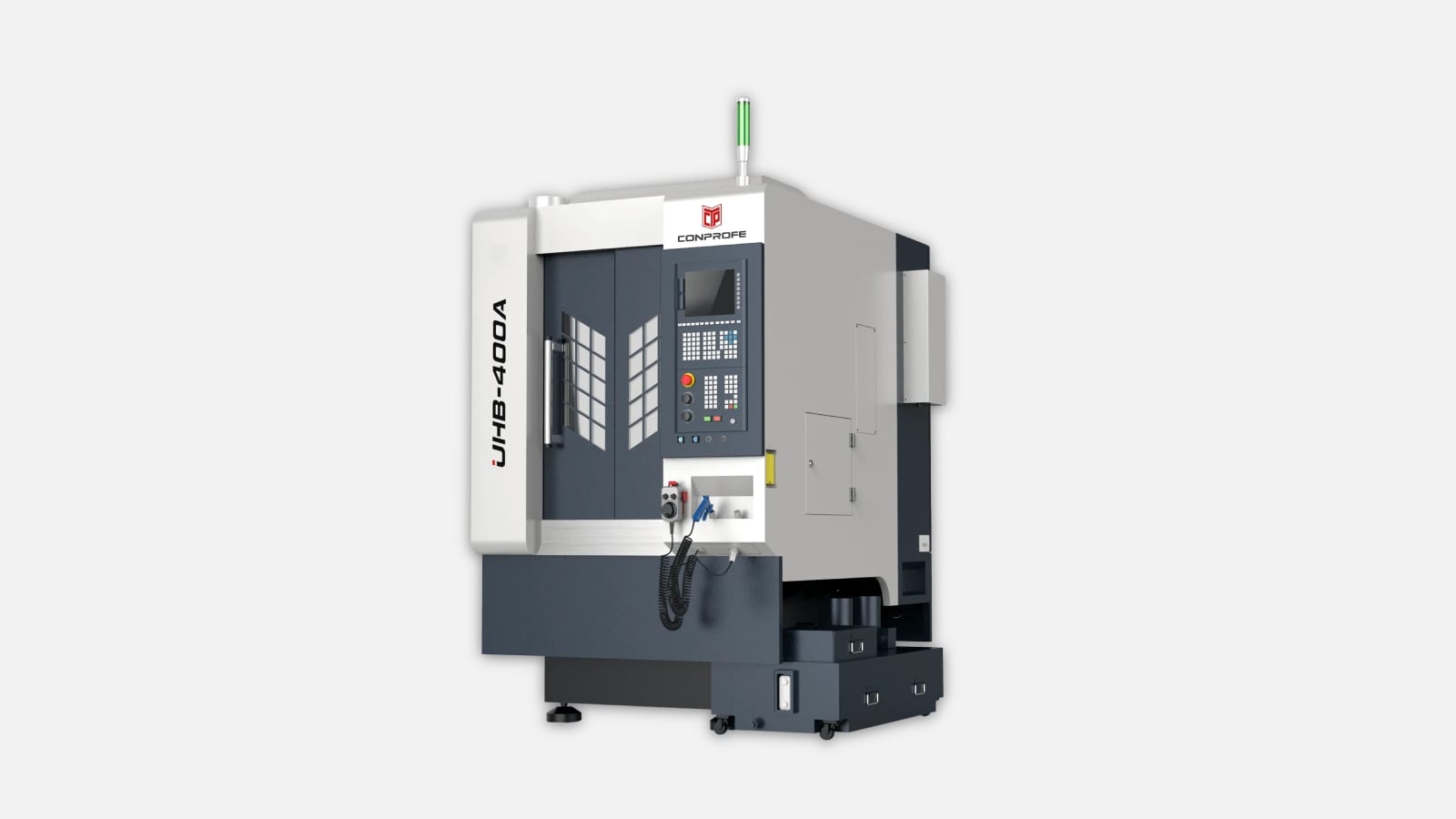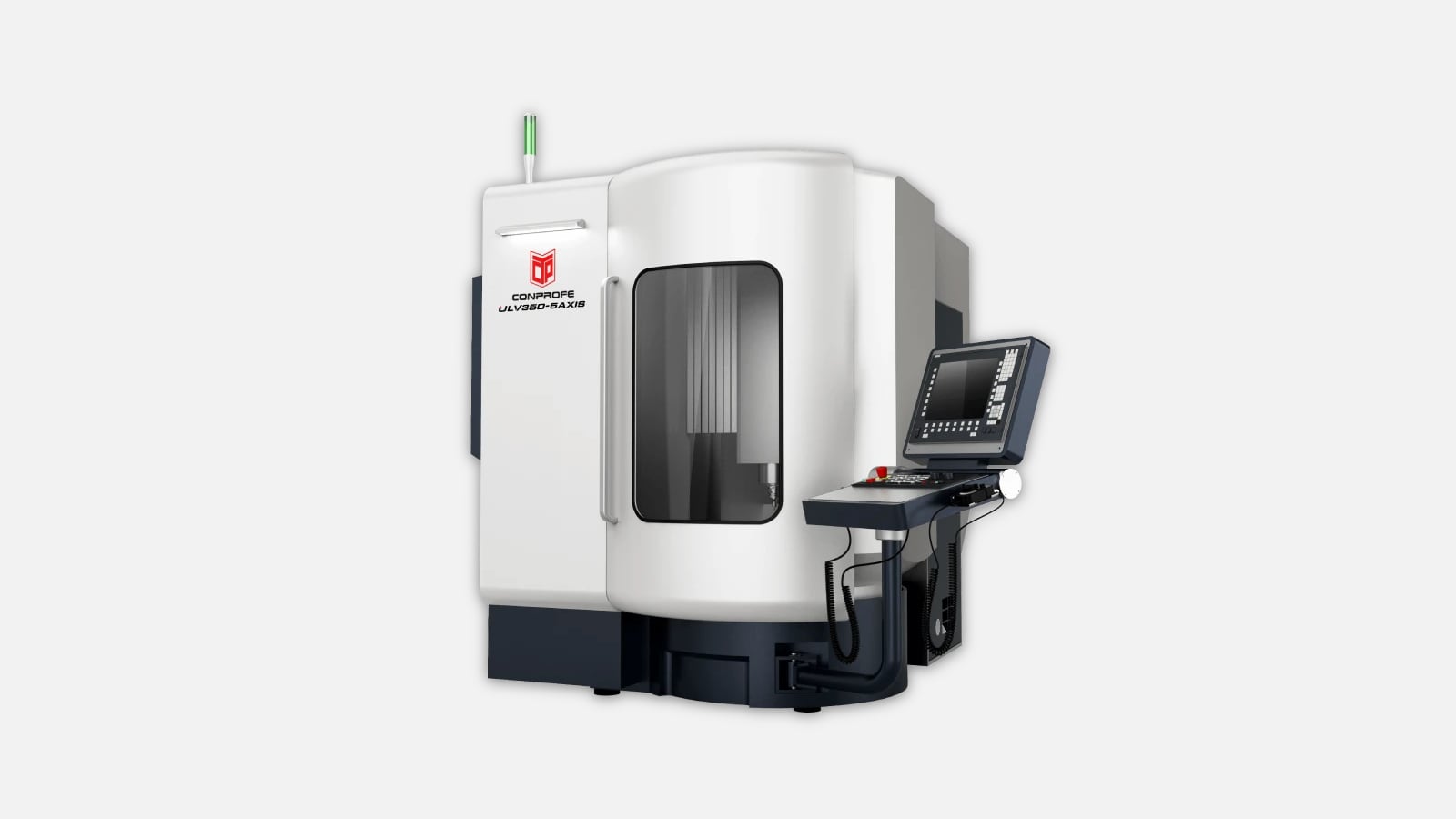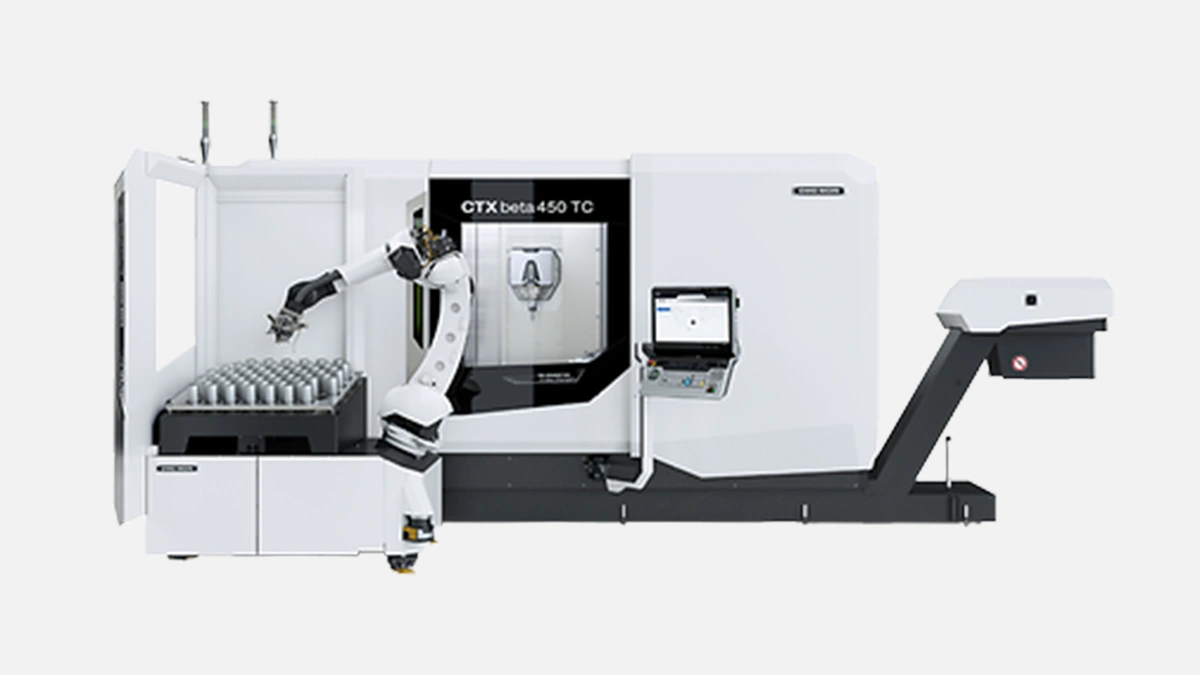
Compact CLX 350 turns Ø320 mm, 5 000 rpm direct-drive spindle, Y-axis ready.
Punchy start, no fluff. You look at the CLX 350, blink, and it is already cutting chips. That quick. Then, all of a sudden, a thought sneaks in, why is it so compact but still eats a Ø 320 mm part for breakfast. Weird combo, right.
DMG MORI has been around for more than 70 years, actually closer to 150 if you trace the German half further back. Around 12 000 machines roll out of their plants yearly, meaning the company has enough field data to tweak small things that only operators notice. The CLX line is their entry gate to universal turning. Three models so far, CLX 350, CLX 450, and a smaller CLX 200 that popped up later. Same design language, different envelopes.
You asked for cold figures, you get them, but let them sit inside a table so the eye does not drown.
| Axis | Travel | Rapid feed |
|---|---|---|
| X | 242 mm | 30 m/min |
| Z | 530 mm | 30 m/min |
| Y (optional) | +/- 40 mm | 10 m/min |
The Y-axis kit is factory ready, no exotic retrofits. Two extra linear guides bolted under the saddle, one compact ballscrew, done. I have seen shops in Sharjah order it after the first batch job proved a slight off-center hole had to be milled every run. They cursed one month of manual setup, then ticked the Y-axis box, problem solved.
Couple more lines before we jump, because numbers alone never tell the vibe. The saddle feels heavy but slides smooth, no jerk at ACC 100, and the new roller guides soaked in oil stick are silent compared with the old CLX 350.1 revision, the one with box ways that could scream at 25 m/min.
I keep hearing the same sentence on UAE shop floors, speed is cool yet torque is king. The CLX 350 main spindle pushes 187 Nm at 1 500 rpm. That covers stainless bar, Inconel stubs, and even those nasty duplex flanges offshore guys keep sending. Top end at 5 000 rpm stays balanced, thanks to a direct drive cartridge instead of a belt. Less dust, less slip. The bore is 65 mm, but most will run a 51 mm bar feeder, fine. One note, the standard chuck is a 210 mm three-jaw, upgrade to 254 mm if you often swing over Ø 300 mm pieces, the smaller one gets close to the limit.
Twelve stations, VDI 40, in the box. Live tooling up to 5.5 kW and 6 000 rpm if you tick the driven tool motor. Real world, that means M16 thread milling in one pass feels ok, anything above dig in two passes. People forget to mention the coolant feed goes through the turret, 12 bar standard, 25 bar option. Through tool, yes, just order the correct sleeves.
Before the list below I want to stress one detail, the clamp/unclamp cycle is weirdly quiet, barely a click. That makes night shifts less annoying. Now, bullets.
Short break.
CELOS on Siemens 840D sl. Some love it because of the swipe panels, others hate the colorful tiles. I stand neutral, more worried about the Ethernet port being on the front, dust magnet. But the data management side is sweet, you can drop a program via USB, via network share, or straight from NX CAM with a post tweak. Macro B support is there, albeit hidden under DMG icons. Lad.
Small operators often ask, can I run G-code from my decade old lathe? Yes, as long as you keep it Fanuc-ish. No semicolon issues, the parser just skips them. The only gotcha is the M-code map, M13 for spindle CW plus coolant is not default, you need to set it once.
DMG sells the Robo2Go wagon, ABB six-axis on rails, bolts in 20 minutes if anchors are pre-drilled. I watched it in Abu Dhabi, cell size grows by 2.8 m² and you still fit inside a 10×8 m bay. No PLC headache, the handshake is via ProfiNet, two cables. If you prefer third party gantries, the top sheet metal comes with pre-cut blank plates so you do not grab the grinder.
Here is a short list of automation add-ons that local integrators tried and kept.
Look, DMG reused the same control arm and coolant tank across the line. Smart. That means your maintenance stack of pumps, filters, and touch panels fits the bigger CLX 450 too. The differences boil down to three numbers: swing, bed length, spindle power. See quick table.
| Model | Swing | Bed length | Power |
|---|---|---|---|
| CLX 350 | Ø 500 mm | 600 mm | 18.5 kW |
| CLX 450 | Ø 640 mm | 800 mm | 22 kW |
| CLX 200 | Ø 360 mm | 400 mm | 11 kW |
So if you start with the 350 you can later mix tools, posts, macros across the trio. Less brain split.
I get the question daily, why not Haas ST-20 or Doosan Puma 2600. Let us shoot straight.
Speed wise, CLX 350 rapid at 30 m/min edges the Haas 24 but sits behind Mazak QuickTurn 35, which hits 36 m/min, although Mazak sells for a bigger ticket.
Imagine a Sharjah job shop running short oilfield connectors in duplex. They load 51 mm bar, rough OD in two passes, engage Y-axis for keyway slot, slap thread mill, done. Cycle time drops from 7 min on their old SL-25 to 4 min 50 s on the CLX, partly because of driven tool speed, partly because of faster index. Those two extra minutes per part sound tiny until you stack 1 000 parts monthly. That is where the machine pays rent.
Another case, small aerospace outfit in Al Ain. They produce titanium bushings, thin wall, high rpm finish. The direct drive spindle at 5 000 rpm keeps vibration low, surface hits Ra 0.4 without polishing. They log less rework, happier QC guy.
Oil sump 10 L, change every 4 000 h, filter cartridge slips out front, five minute job. Grease for linear guides is metered by a single Lube block, you simply swap cartridge, no messy gun. Spindle chiller is built in, so you do not feed extra pipes. The only caveat, spindle encoder cable bends tight, secure it or rub through.
Power grid here swings, summer heat, dusty air, you know the drill. The CLX inverter tolerates +10% overvoltage for 60 s, documented in the manual. Fan filters are coarse mesh, easy to rinse under tap, no need for fancy micro pads. Plus, dust proof keyboard cover comes in the crate, small detail yet saves buttons.
Ok, bullet time again, then I shut up.
End of rant, but if you run mixed material lots and have floor space hunger, the CLX 350 lands in the sweet spot. That is why petrochemical jobbers and aviation subcontractors around Dubai pick it, they need versatility more than bragging rights.