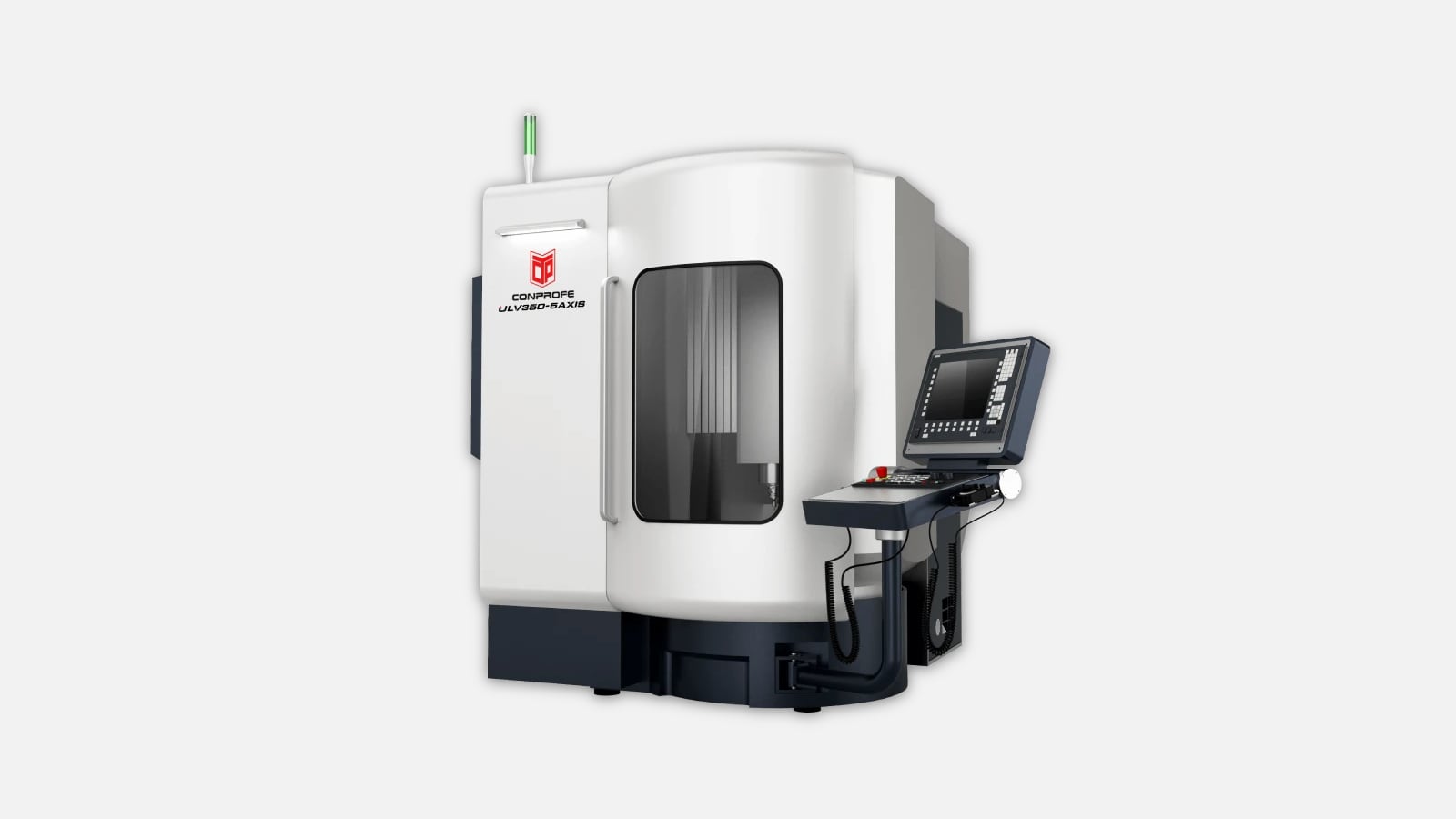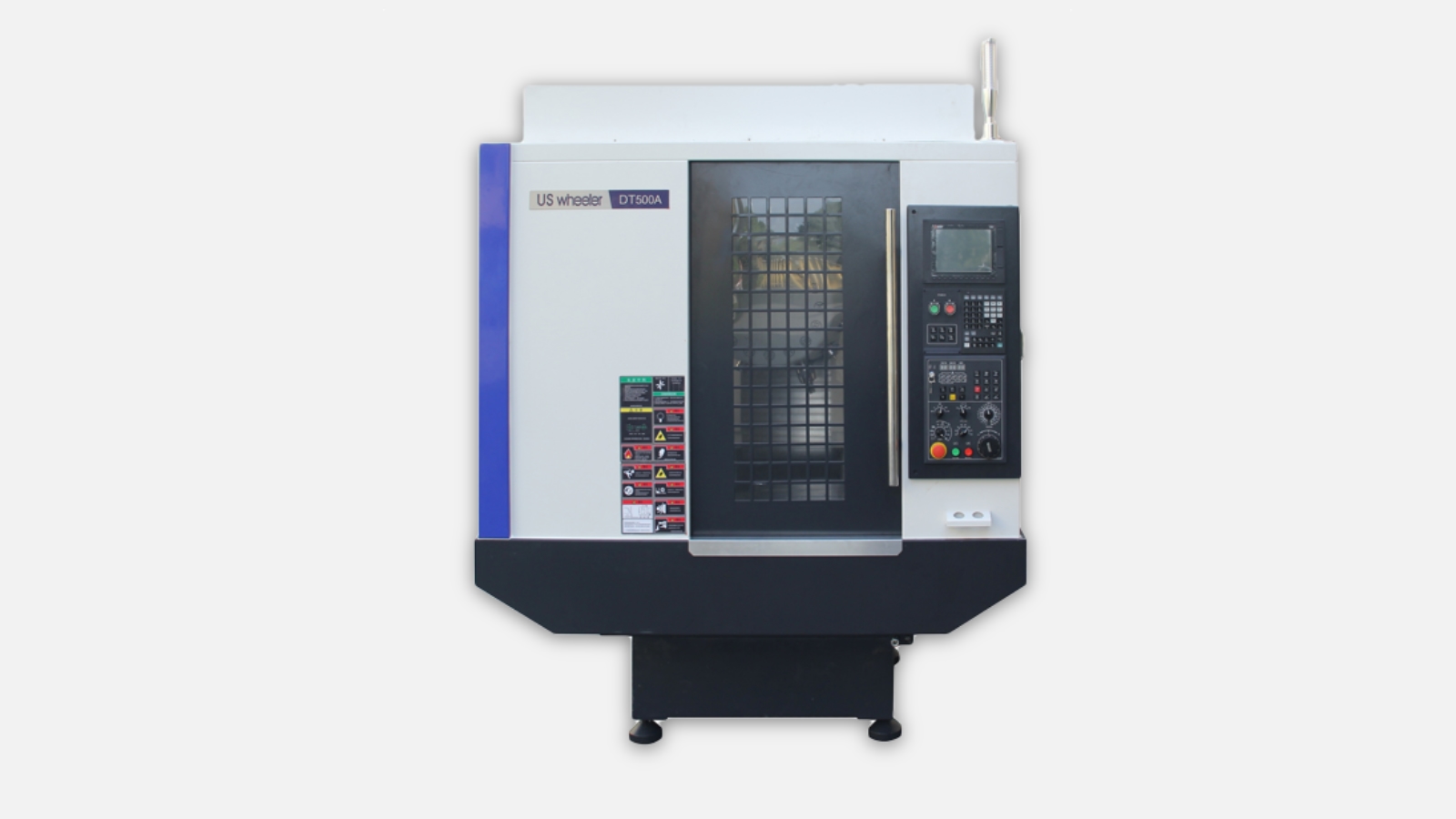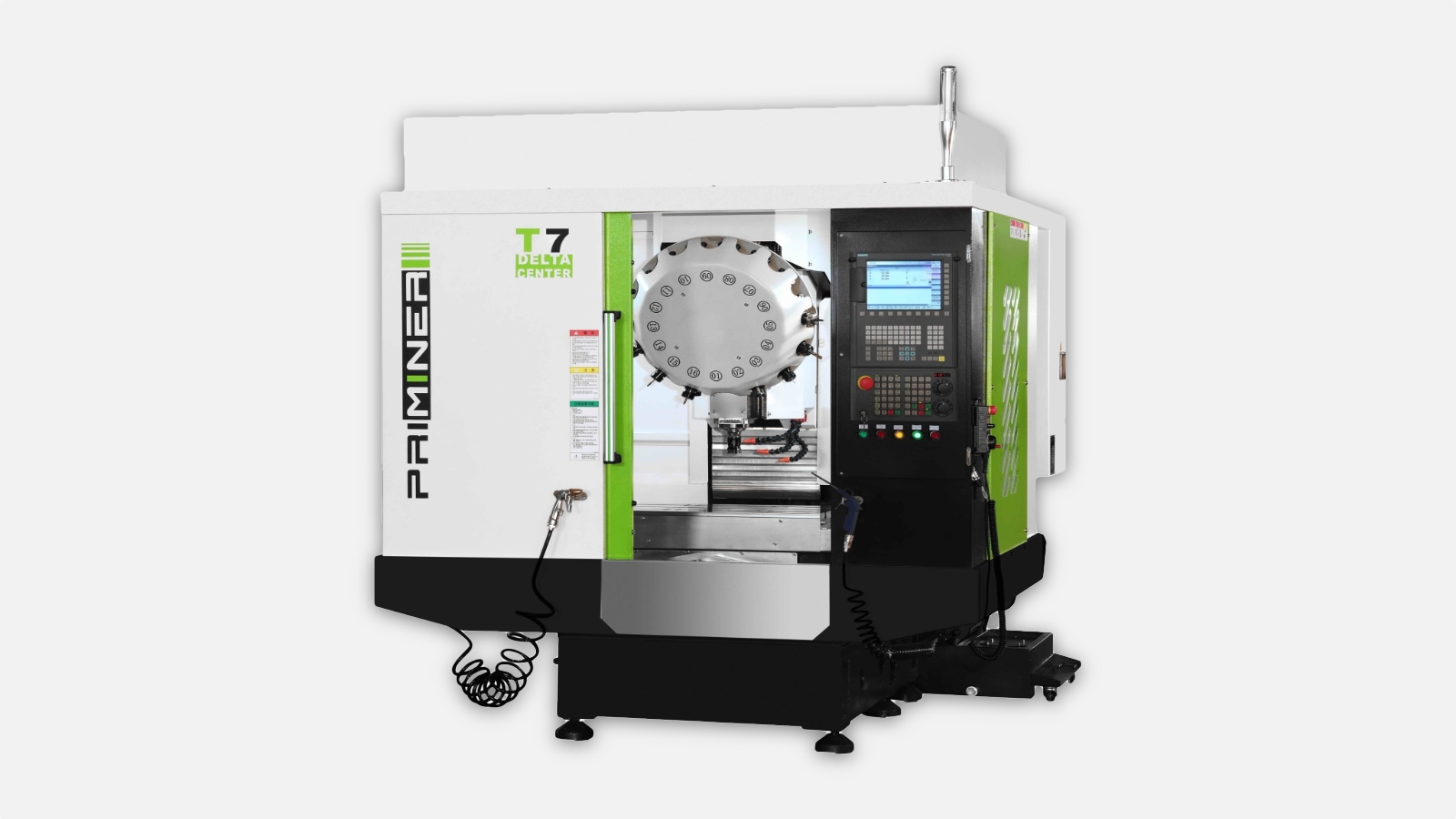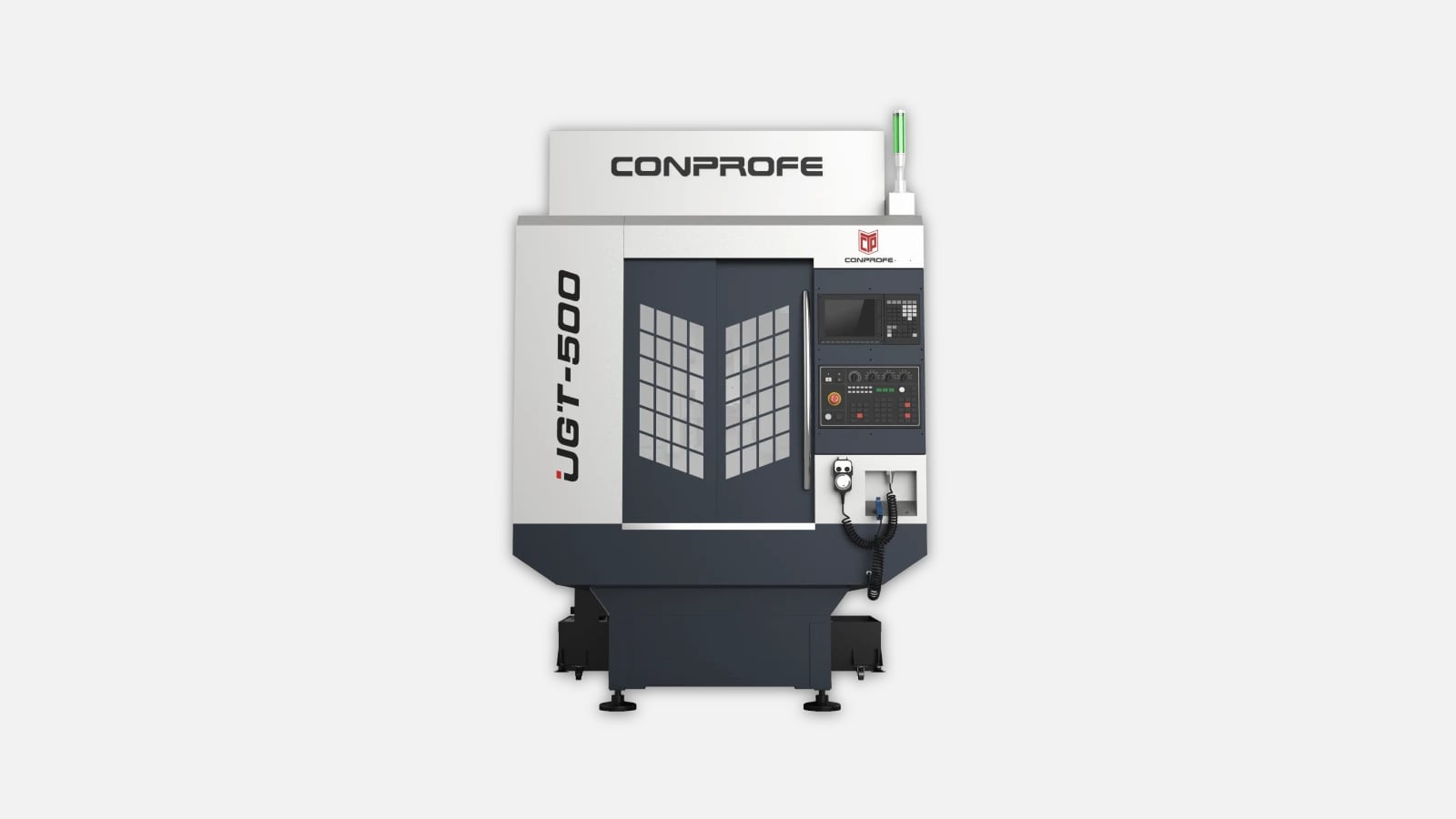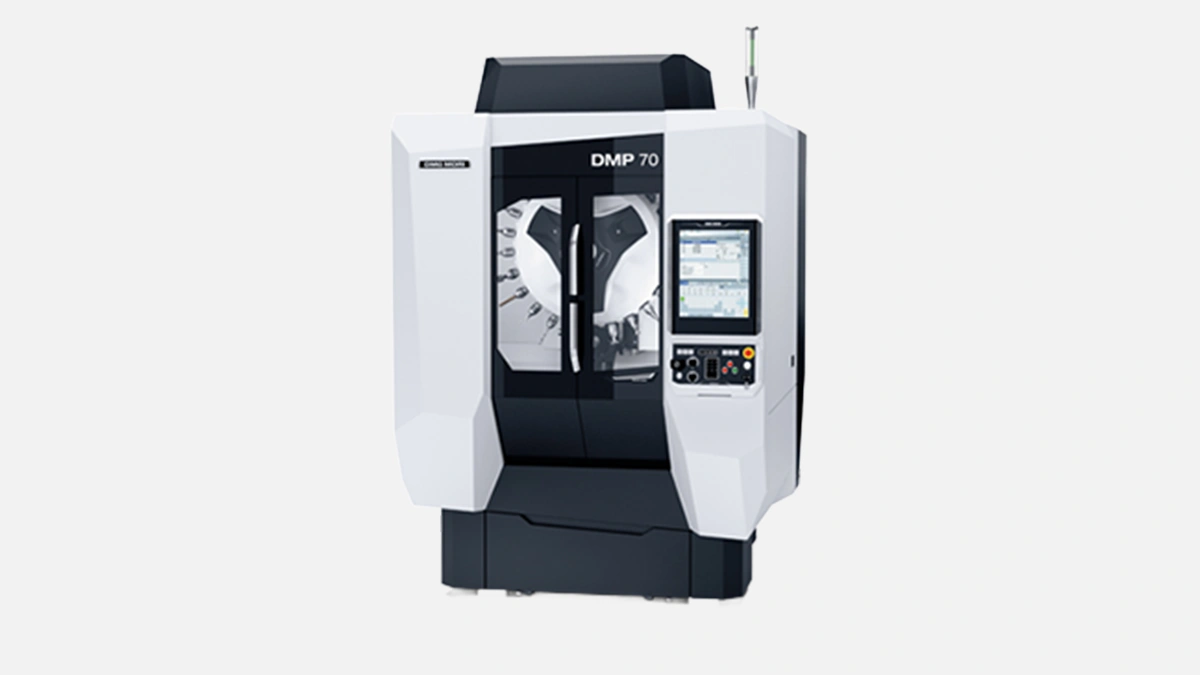
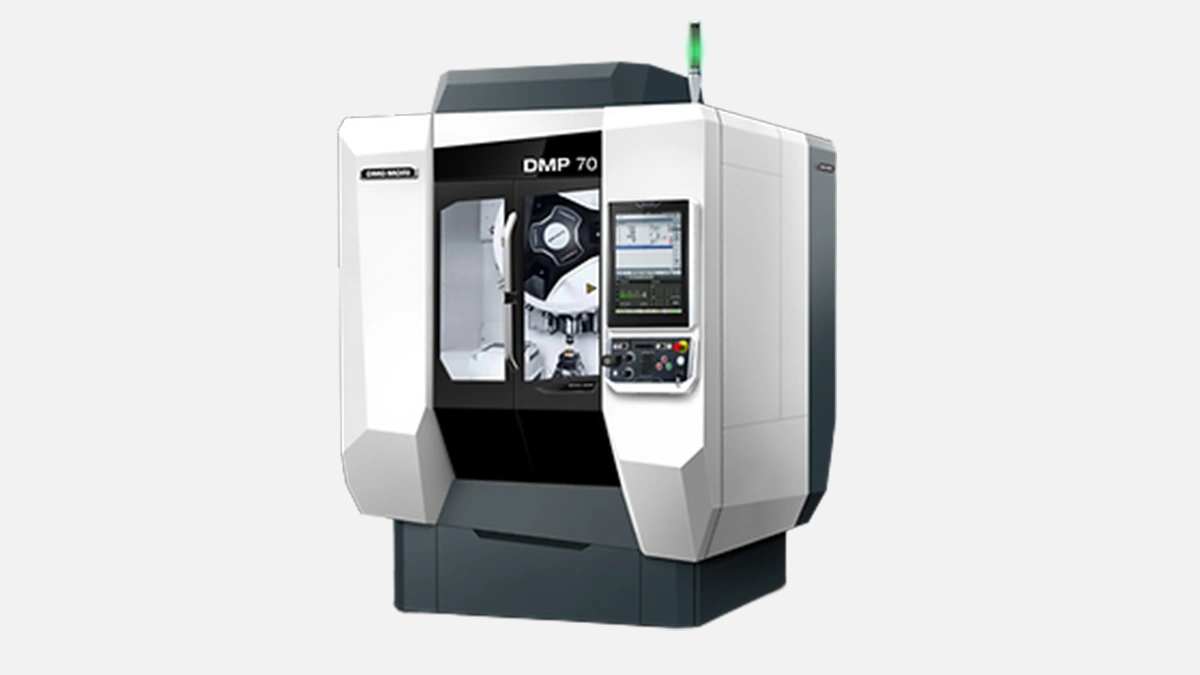
Compact 700 × 420 mm DMG MORI DMP 70: 20 000 rpm, 60 m/min rapids, perfect for tight UAE shops.
Three years ago I walked into a small shop in Sharjah, the floor was dusty, the owner kept glancing at the power meter because DEWA rates bite, yet in the corner sat a brand-new DMG MORI DMP 70, the contrast felt almost poetic, shiny Japanese-German metal against sun-bleached walls.
That picture pops up every time someone asks me why this vertical center matters, so let us unpack it, not in a neat academic way, rather in a scattered notebook style.
Before any options, the machine offers 700 mm on X, 420 mm on Y and 380 mm on Z. The table swallows 300 kg without drama, the spindle runs up to 20 000 rpm, and rapids hit 60 m/min. These digits alone already cover most of the aluminium, mild steel and even 17-4 orders I see floating around JAFZA job shops.
Below is a short table, stare at it for a second, numbers tell the story louder than my words.
| Axis | Stroke | Rapid | Acceleration |
|---|---|---|---|
| X | 700 mm | 60 m/min | 2.3 g |
| Y | 420 mm | 60 m/min | 2.3 g |
| Z | 380 mm | 60 m/min | 2.3 g |
You saw it, good, keep it in the back of your head, we will revisit.
Two observations right off the bat, the strokes sit in the sweet spot for valve blocks, impellers up to Ø250 and those eternal ISO 15552 pneumatics housings everyone keeps ordering. And second, the 2.3 g figure is not marketing fluff, you actually feel the thud in the floor when it finishes a rapid, especially on the Z, stout casting indeed.
I ran 12 000 rpm on a 10 mm DLC-coated end mill in 6061 for a batch of drone frames, depth of cut 10 mm, full slot, feed 4 200 mm/min, machine barely cleared 40 % spindle load. That was day one. Day two, same setup but 304 stainless, of course slower, 3 000 rpm, 120 mm/min, still within comfort zone, coolant temp in the sump hovered at 31 °C which in Dubai midsummer is a small win.
My verdict, the spindle head assembly and the compact B-axis swivel option share some DNA with the larger DMC series, you feel that engineering lineage when pushing feeds.
Fifteen pockets sound limited until you notice the ATC finishes a swap in 1.5 s tool-to-tool, chip-to-chip lands at 4.2 s if the arm travels across the full ring. Quick enough that the controller outpaces the operator who still scrolls for offsets. If the mix involves many form tools, pick the 25 or 60 pocket chain, both retrofit in the field, Abu Dhabi service lads did one in under a day, mostly panel removal and ladder update.
SIEMENS 840D sl comes standard, no learning cliff for crews who already run DMG MORI NL lathes or any SinuTrain simulator. I tried the MAPPS variant too, nicer graphics, yet most UAE programmers still prefer plain G code with ShopMill thrown only for single shot fixtures.
You might not notice during demos, yet after a month on the floor the following bits pay the rent.
Time to compare, quick and dirty. Haas VF-2, popular here, gives bigger travels 762 × 406 × 508 mm yet tops at 7 500 rpm unless you pay for the inline upgrade. Mazak VCN-430A sells with 12 000 rpm but weighs a hefty 7 300 kg, trickier to rig on second floor mezzanines you often see in Sharjah. Brother Speedio M140X2 is lightning fast 220 m/min rapids yet only 550 mm X stroke. The DMP 70 lands in a balanced middle ground, compact footprint 7.7 m², still brings decent travel and spindle speed.
DMG MORI keeps the DMP line purposely short, DMP 60 for ultra-compact, DMP 70 in the middle, DMP 80 now discontinued. The 60 carries 600 mm X travel and a BT30 spindle, fine for dental parts but not for heavy cutting. The 70 with HSK-A63 covers most job shop needs, while the next step in DMG portfolio would be the CMX 800 V if you really need more Y.
Quick trivia, DMG MORI traces back to 1948, about 75 years on the market, current catalog lists over 160 machine models, annual output sits near 9 000 units, four plants run in Europe, two in Asia, one in Davis California for US customers. The DMP 70 itself lives in the Seebach plant, three revisions since launch in 2019, latest tweak swapped the spindle chiller to a more efficient Grundfos pump, small change that shaved 0.8 kW from idle draw.
Voltage stability in the UAE can wobble during summer peaks, so the machine ships with an isolation transformer already set for 400 V, frequency 50 Hz, one less headache. Compressed air demand is modest, 6 bar at 250 L/min, any Kaeser SK15 covers it.
Speed headlines sell machines, stability keeps them paid off. With the DMP 70 you slot plates faster than a CMX, yet still maintain the surface finish that aerospace customers in Abu Dhabi insist on. Consumable burn stays low, the spindle optics recognise tool wear patterns, I captured 18 % longer life on a batch of Mitsubishi 4-flute end mills simply because the cut was chatter free. That extra life add ups when carbide prices escalate.
Below another small list, read it, nod, and imagine your own backlog shrinking.
Electric tariff in the UAE floats near 0.32 AED/kWh for industrial load, the DMP 70 idles at 5.2 kW, peaks 22 kW during heavy milling, overall daily energy bill around 42 AED if you run a single 10 hour shift, do your own math, it beats outsourcing parts to Italy.
Filter bag change every 500 hours, takes 8 minutes, the coolant tank pulls out on rails, no need for forklift. Spindle service interval sits at 15 000 cutting hours, local DMG MORI Dubai branch stocks exchange heads, swap within a day, no shipping to Germany drama.
So, why do shops from Abu Dhabi aviation clusters to Ras Al Khaimah mold makers sign PO papers on this model, in my biased view three reasons, it cuts fast, it fits tight urban footprints, it stays accurate in the desert heat. Everything else, marketing gloss.
Stop overthinking, if your parts fit the 700 × 420 × 380 mm cube and you can live with 300 kg on the table, the DMP 70 simply does the job, day shift or night, lights off or manned.
And yes, nothing is perfect, the door window scratches easy, and the 60-pocket chain eats a bit of Y stroke, yet those are nitpicks, overall the machine feels like that quiet employee who never asks for sick leave.
That is all, close the page, walk to the shop floor, and picture the spindle hitting 20 000 rpm without flinching.