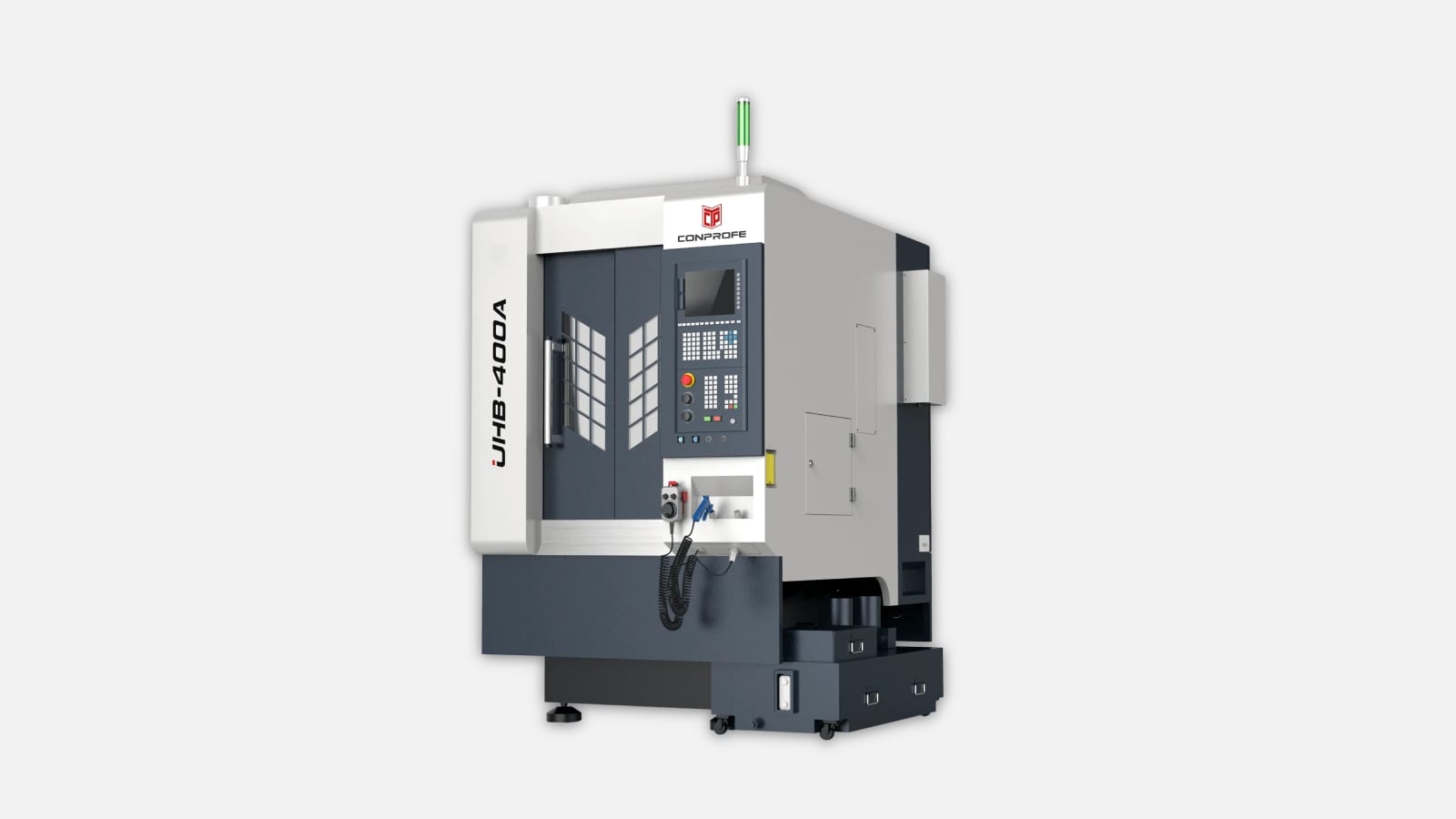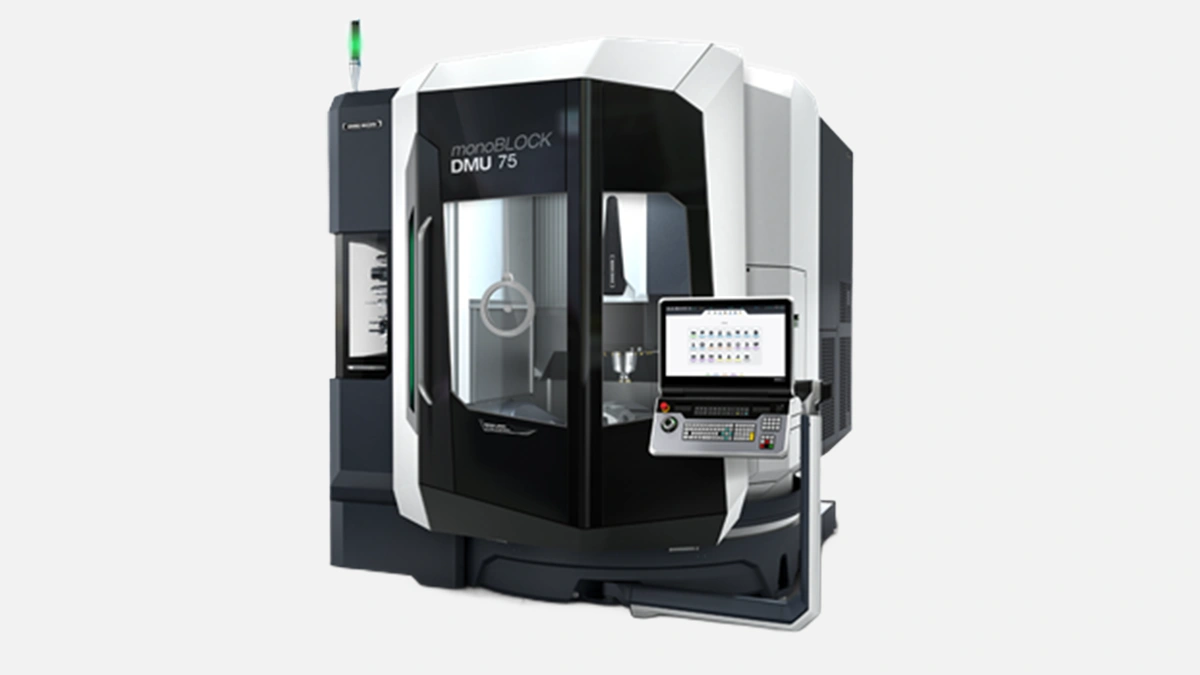
Five-axis DMU 75 monoBLOCK 2nd Gen, 750 × 650 × 560 mm travels, 20 000 rpm spindle, 600 kg table, compact footprint.
Short, punchy, straight to the point. DMU 75 monoBLOCK 2nd Gen looks compact, but the moment you stand next to the cabin you get that gut feeling, yeah, this thing can chew a chunk of titanium without flinching. Then, out of the blue, I remember the first generation machine we had back in 2014, the door felt heavier, the sound from the spindle cover was duller, kind of clanky. The new door rolls smoother, almost whispering. Someone at DMG MORI must have spent nights just tweaking that rail, respect.
A quick recap about the brand, why not. DMG MORI sits on more than 150 years of German metal-cutting heritage glued together with that obsessive Japanese respect for tolerances. Around 10 000 machines leave their plants every year, and the monoBLOCK family alone counts seven different sizes. The 75 sits right in the sweet spot for medium parts, mould inserts, aerospace brackets, and, funny enough, watch cases for the luxury guys in Dubai Industrial City.
Travel matters, always. X comes at 750 mm, Y at 650 mm, and Z punches up to 560 mm. In day-to-day language that means you can clamp a rectangular billet roughly shoe-box sized and still walk around it with a Ø125 mm face mill. The rotary-tilt table, 650 mm diameter, can hold 600 kg. People keep asking if that is enough for Inconel impellers, the answer is yes unless you plan to send a small elephant for surfacing.
Before throwing more words, a table with cold facts. Two sentences, done. Now the table.
| Feature | DMU 75 monoBLOCK 2nd Gen |
|---|---|
| Spindle taper | HSK-A63 |
| Max torque | 130 Nm |
| Tool change time chip-to-chip | 3.5 s |
| Coolant through spindle | 80 bar standard |
| Footprint | 8.5 m² |
| Air consumption | 120 l/min |
The numbers above do not dance, they sit rock solid on the official tech sheet and, trust me, match what the maintenance guys in Sharjah logged last month. After the table you might expect another dry paragraph, but let me twist, a quick anecdote. During a night shift, operator Hamid forgot to close the side window, coolant splashed, sensors reacted, machine stopped, zero damage. The integrated hydraulic damping around the C-axis saved the workpiece, that gearbox housing was already 9 hours in the making. Small details, heavy impact on morale.
Three options float in the catalog. The default 12 000 rpm motor spindle, the more nervous 15 000 rpm, and the hooligan 20 000 rpm we picked. Why the top variant? We regularly hit 45 000 mm/min in aluminium with a 10-flute Datron tool, chips fly like confetti, cycle time drops, boss smiles. Still, the housing around the cartridge keeps temperature within +-0.5 K thanks to oil circulation, so you do not trade accuracy for speed. I tested bore roundness last week, 0.004 mm on the first try.
Three bullets, breathe. Let us move.
Siemens 840D sl rules the cabinet, nobody argues. ShopMill for quick sketches, Heidenhain style cycles if you load the DMG MORI CELOS layer on top. Personally I prefer writing longhand code, G268 plane rotation, dynamic work offsets, the machine executes without a hiccup. The Ethernet port hits 1 Gb so tool life data streams straight to the MES in Abu Dhabi plant. No semicolons in my code, by the way, line breaks work fine.
Two pumps, 20 bar flood and 80 bar through spindle. Conveyor throws curls into a combo drum filter, less sludge, cleaner sump. An operator in Ajman noticed the sound level dropped after replacing the default urethane wipers with DMG MORI’s new graphite compound, difference is small yet the night shift appreciates the quieter vibe.
A quick list again.
Enough self love, how does the DMU 75 monoBLOCK stand against other five-axis contenders that UAE buyers actually consider?
| Model | X travel | Table load | Max rpm | Notable plus |
|---|---|---|---|---|
| DMU 75 monoBLOCK 2nd Gen | 750 mm | 600 kg | 20 000 | Compact footprint |
| Hermle C400 | 850 mm | 500 kg | 18 000 | Larger chip chute |
| Mazak Variaxis i-700 | 730 mm | 500 kg | 12 000 | SmoothX control |
| Haas UMC-750 | 762 mm | 300 kg | 12 000 | Lower entry cost |
The Hermle gives you a bit more X but loses on load. Mazak shines in multi-face probing, yet the Y travels feel cramped. Haas, affordable, yes, but the base casting resonates above 8 000 rpm. In the end, for shops that mill both stainless impellers and aluminium frames without changing fixtures every shift, the DMU scores high simply because the table swallows heavier blanks without stretching overall floor space.
First generation DMU 75 launched in 2010, second gen landed 2017. Changes looked subtle, new door, fresh drives, but inside the casting ribs gained 18 % stiffness according to the DMG MORI white paper, and linear guides moved up in size from 45 to 55 on X and Y. There is also the littler brother DMU 65 monoBLOCK, travels at 650 mm in X, and the bigger DMU 95 which pushes to 950 mm. If you mostly run medical parts, the 65 is fine, yet for oilfield valve bodies that pop up more and more in UAE work orders, the 75 gives breathing room.
Cycle studies in Ras Al Khaimah, three parts, same CAM strategies, material 1.4404 stainless.
We did nothing fancy, just used the standard high-speed cycles and a balanced holder set.
Local techs report spindle cartridge replacement time average 4.5 h including warm-up, mostly because everything is front-serviceable. Inventory of filters and clutches sits in Jebel Ali free zone, reducing lead time. Training usually spans 3 days, operators move from basic jog to full 5D swarf in that window. One owner jokingly said the hardest part was convincing his accountant that a grey box can pay its rent so fast.
Close to wrap-up, let me spell the core motives I heard from managers and operators alike.
I could nitpick. The coolant tank at 600 l feels small for graphite machining, you will babysit sludge. And spare parts pricing sometimes stings. Yet, every hour the machine idles you feel it as physical pain, so you keep it cutting, and it obeys. That is why medium batch manufacturers in Dubai, Sharjah and even Fujairah sign purchase orders. They need a dependable five-axis that does not sprawl across half the shop and still handles real, grown-up blanks.
Dizzy? Maybe, but the takeaway is simple. If your job list mixes turbine wheels, aluminium fixtures, and fancy decorative cuts for exhibition stands, DMU 75 monoBLOCK 2nd Gen checks those boxes without tantrums, leaving you to worry about coolant smell rather than missed tolerances.