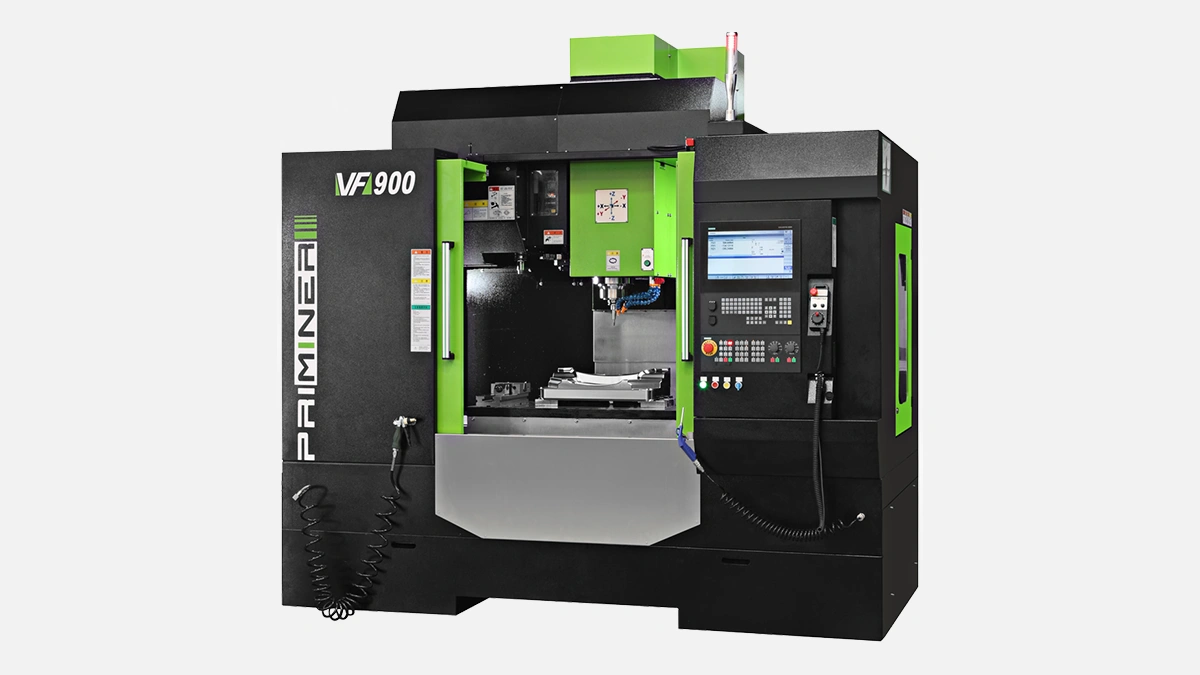
Priminer VF900: 900 mm X travel, 12000 rpm spindle, stable in hot UAE workshops.
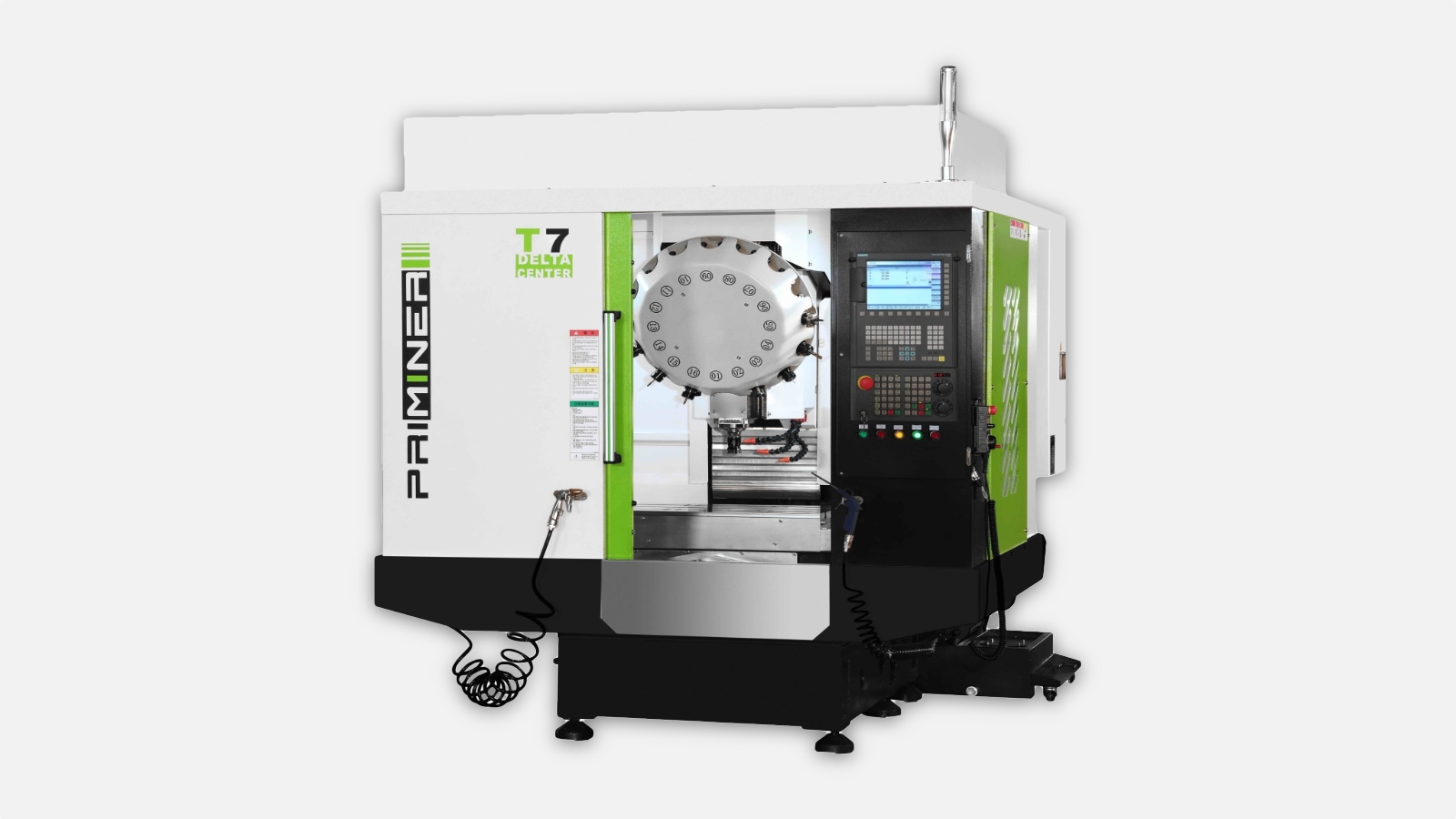
Woah, the cast iron frame looks thick, no hollow flashes, the paint smells fresh and still that faint factory oil sticks to your fingers when you tap the table, it is the smell of capability, you either like it or you change jobs. I walked around the Priminer VF900 last week, camera in hand, my colleague muttering about deadlines, and something clicked, maybe the rigid column, maybe the fact that the maker has been shipping mills for 20 plus years, who knows.
Before numbers, a confession, I am a numbers guy, but I also get bored by spreadsheets, so let me wrap the cold data in a bit of context, like shawarma in good bread. You need to feel how each millimetre matters when the part is clamped and the coolant haze rises.
Below is a compact view, every digit in bold, see if your eye catches the ratio between travel and footprint:
| Item | Figure |
|---|---|
| X travel | 900 mm |
| Y travel | 520 mm |
| Z travel | 560 mm |
| Table area | 1100 × 520 mm |
| Load capacity | 800 kg |
| Spindle speed | 12000 rpm |
| Spindle power | 18.5 kW |
| Magazine pockets | 24 pcs |
| Rapid feed | 36 m/min |
| Control | FANUC 0i-MF |
Numbers over, yet the story just started. The X stroke of 900 mm means you place two medium fixtures side by side and still have elbow room for probing. Drive motors stay chilled thanks to a neat set of fans, nothing fancy, just good surface area.
Dubai summer, shop doors half open at 45 °C, humidity playing yo-yo between 70 and 90. I asked two local operators, they run VF900 since 2019. Their feedback, raw form: spindle bearings still within vibe spec, coolant tank needs an extra UV lamp else algae goes crazy. That is it. For a vertical mill living close to the Gulf shoreline, not bad.
None of those points is spectacular, they are simply the boxes you pray to tick when the job mix changes every day.
Heat kills more cutting time than dull inserts, true story. Priminer engineers slapped extra vents on the control cabinet, twin fans pulling air at 120 m³ per hour, I opened the door and felt the flow, steady, you can hear the pitch difference once swarf starts piling behind the machine. Keep that area clean, it pays back. The Z-axis ballscrew has a dedicated lube line, metered at 0.08 cc per shot, low and slow, so oil does not wash chips into the wipers.
Those tiny conveniences stack up, time equals invoices.
Everybody wants context, so let us park the VF900 next to Haas VF-2SS and Doosan DNM 5700. Spindle speed, Priminer 12000, Haas 12000, Doosan 12000, so even. Power, Priminer 18.5 kW, Haas 22 kW, Doosan 18.5 kW. Rapid, Priminer 36 m/min, Haas 35, Doosan 48. But hit the footnote, Doosan needs higher supply voltage to keep that pace, while Priminer runs stable at 380 V three phase which most UAE shops already wired for. Tool magazine, Priminer 24 pockets, same as Haas, Doosan throws in 30, yet the swing arm on Priminer feels calmer, less vibration when cycling. Price talk skipped, you know the rule, although in practice many shops pick Priminer because the CFO saw the service plan and smiled.
VF600, VF900, VF1100, that is the gang. Same casting, stretched or shrunk. The 600 hits X-travel 600 mm, good for small brackets. The 1100 extends to 1100 mm, perfect for oilfield valves. VF900 sits in between, sweet spot, wide enough for mould bases yet small enough to fit in a container without special crate. All share the same ATC carousel, making spare parts planning child play. Owners that started with VF600 usually add a VF900 later, just bolt it next to the first one, share programs with minimal tweak, tool offsets stay friendly.
I talked to Farid from Sharjah, his crew does daily checks, coolant, air, chips. Monthly alignment, table sweep, laser on X and Y. After 14 months they had to change only one wiper, 40 USD part, five minutes job. Service engineer mentioned the bearing preload on the spindle cartridge is set slightly higher than Japanese mills, reason is simple, the region cuts a lot of Inconel, heat radiates up, extra preload keeps runout under 3 micron even at over 10000 rpm. Sounds nerdy yet makes a difference when you chase a tolerance stack for aerospace fittings.
Tool rooms chasing mould inserts, job shops whipping out hydraulic blocks, even academic labs prototyping electric drivetrains, all found a seat. Local trend, automotive aftermarket fab houses bolt a 4th axis on VF900, tilt it 90 degrees, machine rims in one hit. They post pictures on Insta, flash coolant and neon lights, the vibe is loud, but beneath the show the mill stays composed, axes humming, money made.
So, not a miracle, not a shiny spaceship, just a solid vertical center that keeps removing chips while everyone else talks about Industry 4.0 buzz. If you need a machine that handles stainless one day and aluminium next, accepts the brutal heat of Abu Dhabi, and still leaves you some budget for a decent compressor, the Priminer VF900 feels like a safe, almost boring, but deeply reassuring pick.