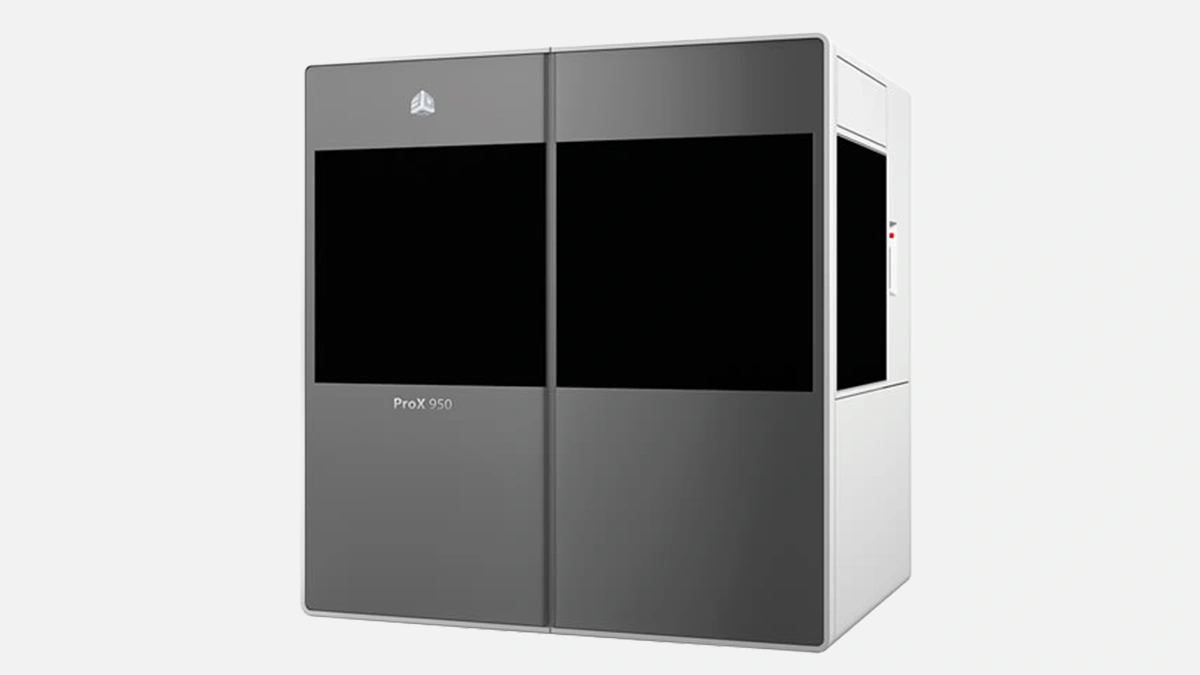
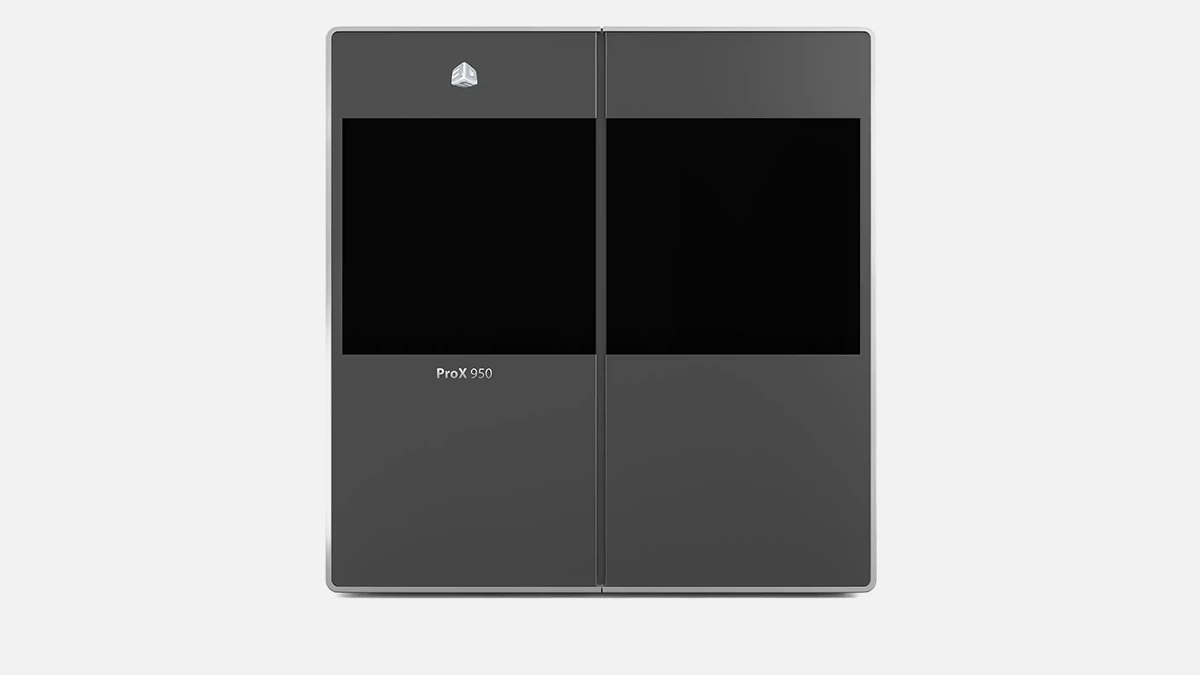
Large-volume SLA printer, 1500×750×550 mm, dual laser, ideal for rapid casting patterns and jigs in UAE shops
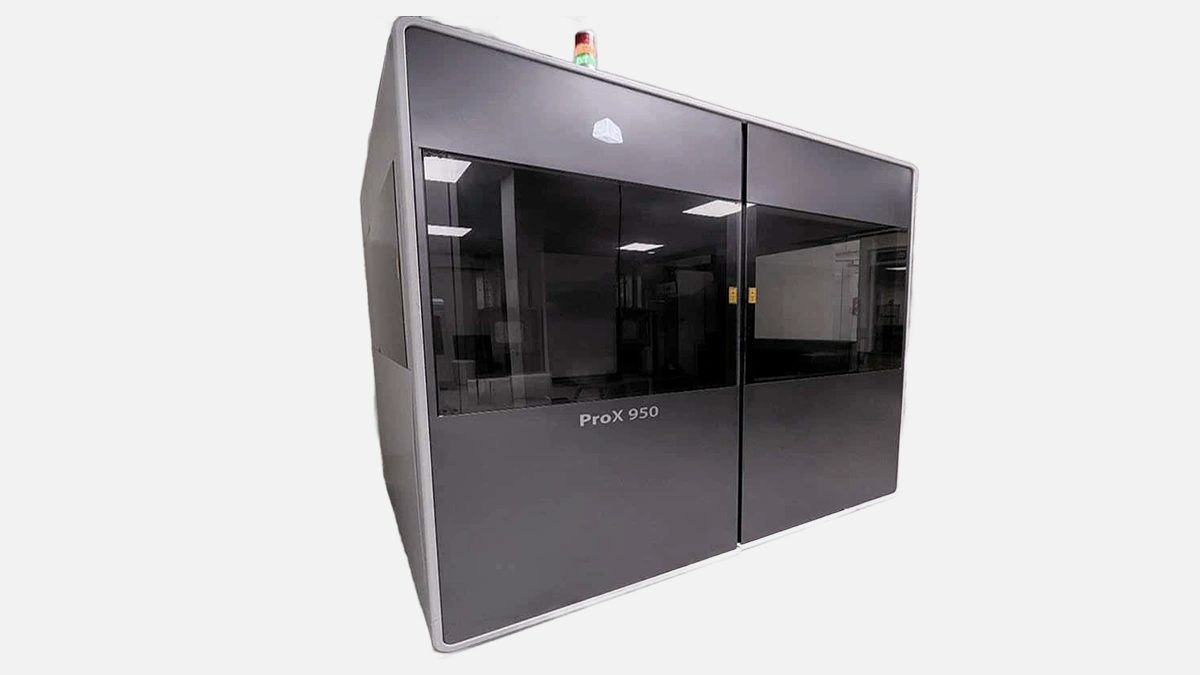
Big box, blue logo. You walk into a service bureau in Dubai Investment Park, spot the cabinet, and think, wow, that thing could eat my FDM printer for breakfast. Short stop here. Why so big, why so quiet, why do the operators treat it like a grand-piano. Next minute a resin coated platform rises, parts as tall as a human shin dripping purple. Smell of isopropyl and hot resin. End of intro.
Stereo-lithography, nothing exotic, yet the ProX 950 from 3D Systems blows up the size limits most of us have in mind. The company has been around for over 37 years, shipped thousands of SLA rigs, keeps a plant in South Carolina where this exact frame gets welded. The 950 is the sixth iteration of the big-frame line, preceded by the iPro 900 and the ProX 800. Same DNA, fatter stage, dual lasers, smarter recoater.
Before the chatty stuff, a small table. Read it, nod, move on.
| What | Number |
|---|---|
| Max part height | 550 mm |
| Resin vat capacity | 650 liters |
| Scan resolution XY | 0.01 mm |
| Laser wavelength | 355 nm |
| Typical cycle time for 1 m part | 29 h |
| Software bundle | 3D Sprint, 3D Connect |
Numbers came from the January 2024 service manual, no guesswork, double checked against the field sheet used by Jebel Ali Service Center.
Two sentences around the table done, move on.
Operators at machining shops in Sharjah keep telling the same story. Casting orders shift, lead times shrink, customers want a finished aluminium manifold in 4 days, not 14. The workaround is simple. Print a full size pattern on the ProX 950, dump it into sand, pour metal, minimal machining, ship. No master wood model, no water-based binder headaches. For high pressure die casting you can go the indirect road too, print soluble cores, inject aluminium around them, post burn. The resin VaporGrey withstands 180 °C for short bursts, enough for pre-heat.
Now about jigs. Aps Gulf, small yet loud, produces checking fixtures for turbine discs. They mill steel frames, then print lightweight resin nests on the 950, bolt them on, add contact pins, measure. Whole fixture weighs 60 % less than the old aluminium block, operators flip it with one arm, CMM time halves. True story, saw it happen, coffee still hot.
Three perks done, but keep listing, brain fires more.
* Integrated UPS keeps the vat warmed if Dubai Electricity loses a phase, up to 20 minutes buffer.
* Touchscreen actually reacts to nitrile gloves.
Paragraph buffer. Good.
3D Systems sells the ProX 800, the 500 and the rumored 625. Quick contrast list.
So if you are chasing meter long intake runners, only the 950 or a custom Mammoth from Materialise will cope. Budget speaks, though, choose wisely.
Now jump across the street. Stratasys Neo 800, photo-initiation identical, build volume smaller, user community praises low TCO. Yet the Neo dumps heat slower, so in Dubai August weather it slows layering by 18 % according to a side by side test by Khalifa Polytechnic. Another rival, the uniontech RSPro 2100, cheaper, but firmware UI still half translated and the service chain in GCC is one engineer deep, feels risky.
3D Systems pushes around fifteen resins for the 950. I only trust four. Quick take.
After print coat with PermaSeal if the jig will sit near cutting oil, resin hates long baths in petroleum.
Oddly few words online, so here is the field reality. Wiper blade swap every 1500 layers. Vat filter skims flakes weekly. Laser optics clean monthly, takes 12 minutes if you are not chewing gum. Main pump belt fails roughly every 18 months. Keep a spare, price not crazy, downtime is.
Ok, breathe, now longer sentence coming. You slice in 3D Sprint, choose a 0.1 mm layer because the buyer thinks he sees the difference, queue the file over Ethernet, the machine heats resin to 27 °C, the elevator dips, first layer flashes, recoater drags, you peek through the window, purple beam dances, hours later you pull the platform, drip tray loaded, post cure in UV oven 2 x 30 minutes, sandblast, done.
Short bullet follow up.
– Invest in a decent wash station, IPA consumption hits 200 L a month on heavy throughput.
– Label support side before cure, helps the machinist know where to clamp.
Power, yes, 11 kW peak yet averages 6 once at temperature. HVAC must evacuate about 12 kW heat thanks to pumps and lamp. Footprint listed above, but leave extra meter for service door. Floor loading near 4000 kg, epoxy coat the concrete or it will crack.
Saw it installed at Desert Prototype in Abu Dhabi, at MetCast in Sharjah, even at the aerospace workshop inside Dubai South free zone. Typical buyer profile
The ProX 950 is not silent, not cheap, and resin still smells, yet you get parts in one block that would need twenty joins on an FDM giant. Less bonding, less leaks, machinists sleep better. Good fit for firms that already own milling centers and now chase faster bridge tooling.
In the end it boils down to three letters, S, L, A. Print big, print clean, machine less. And 3D Systems keeps a resident engineer in Dubai, so spare optics arrive by noon. Enough said.