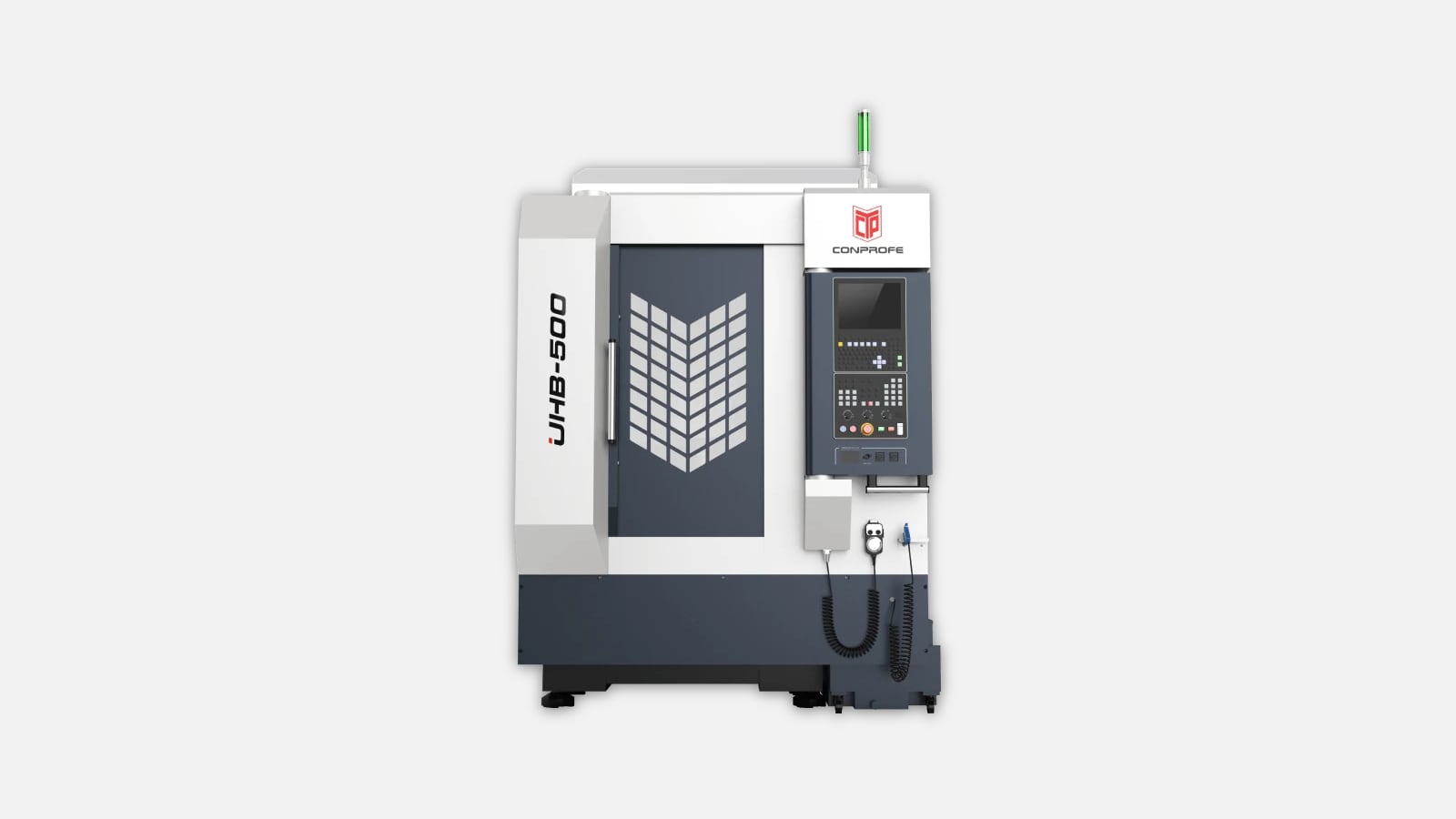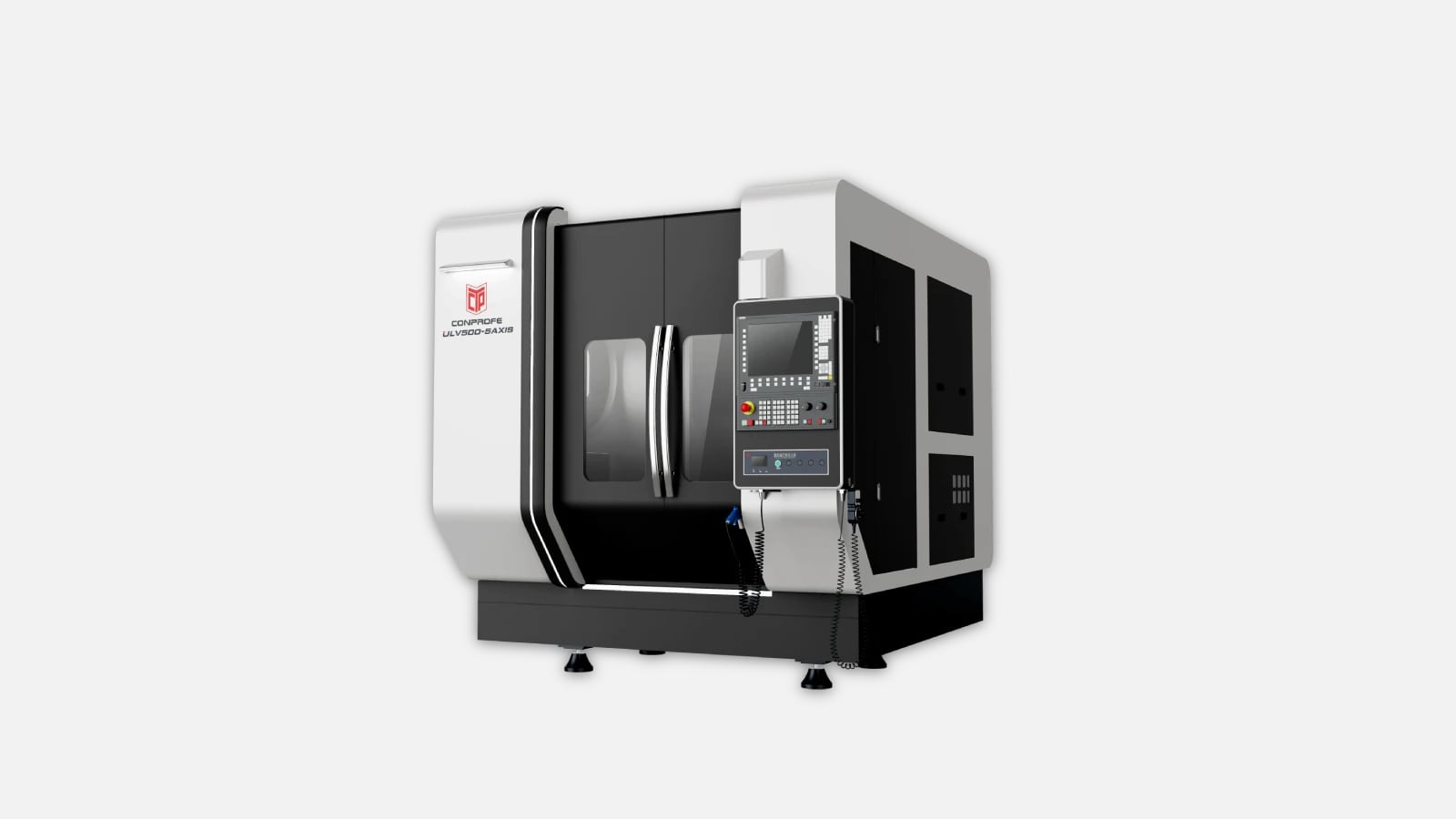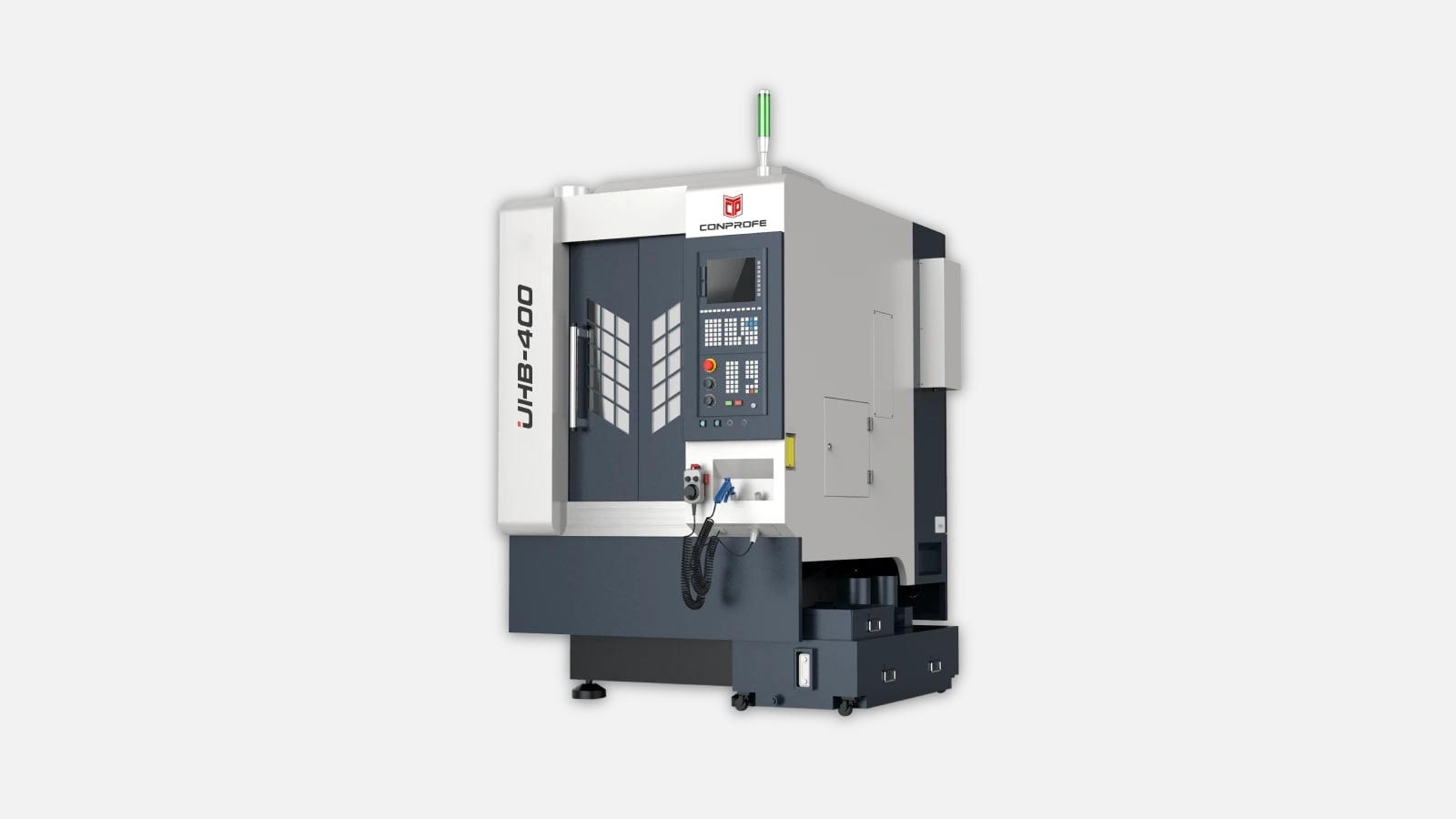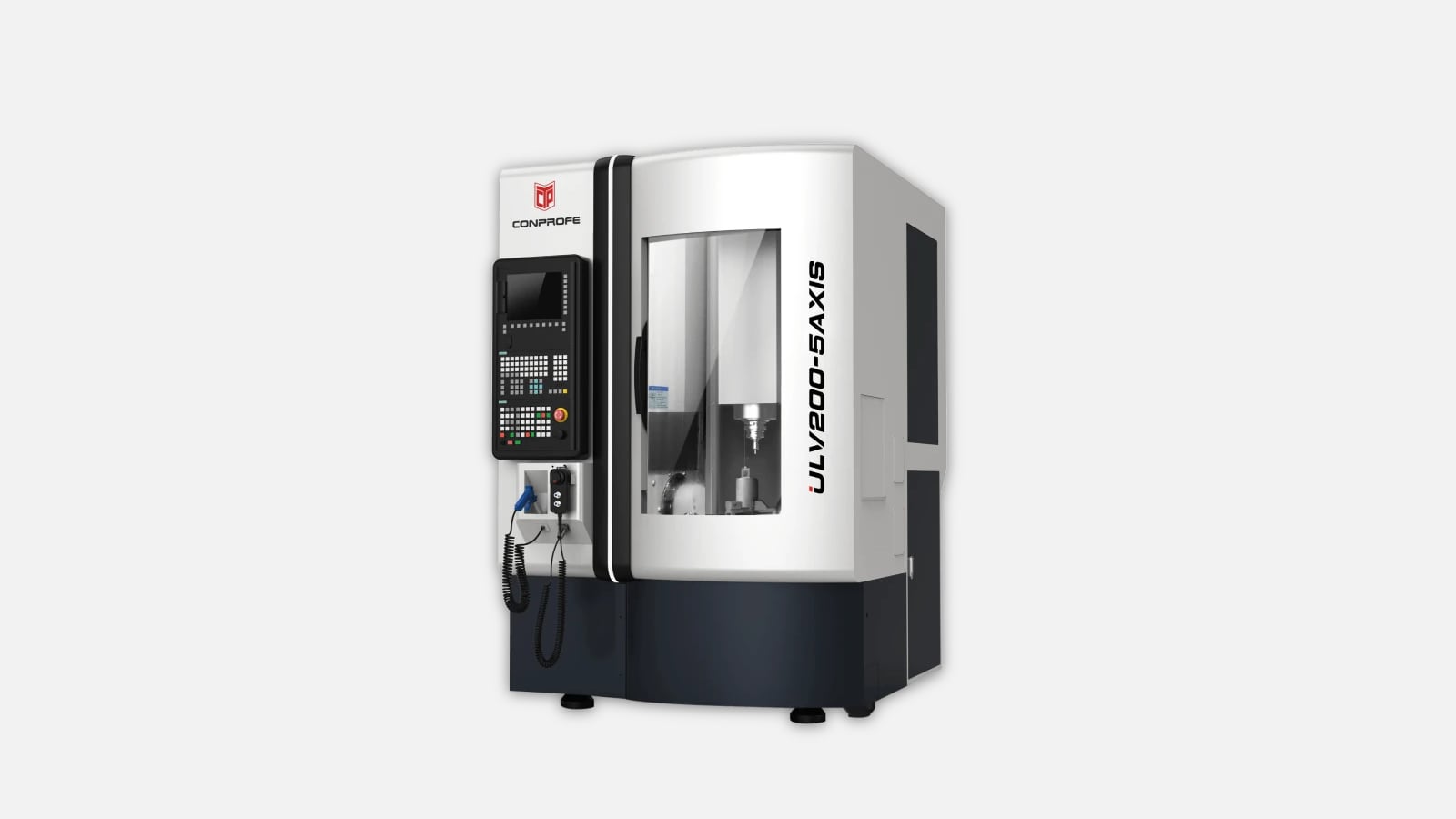
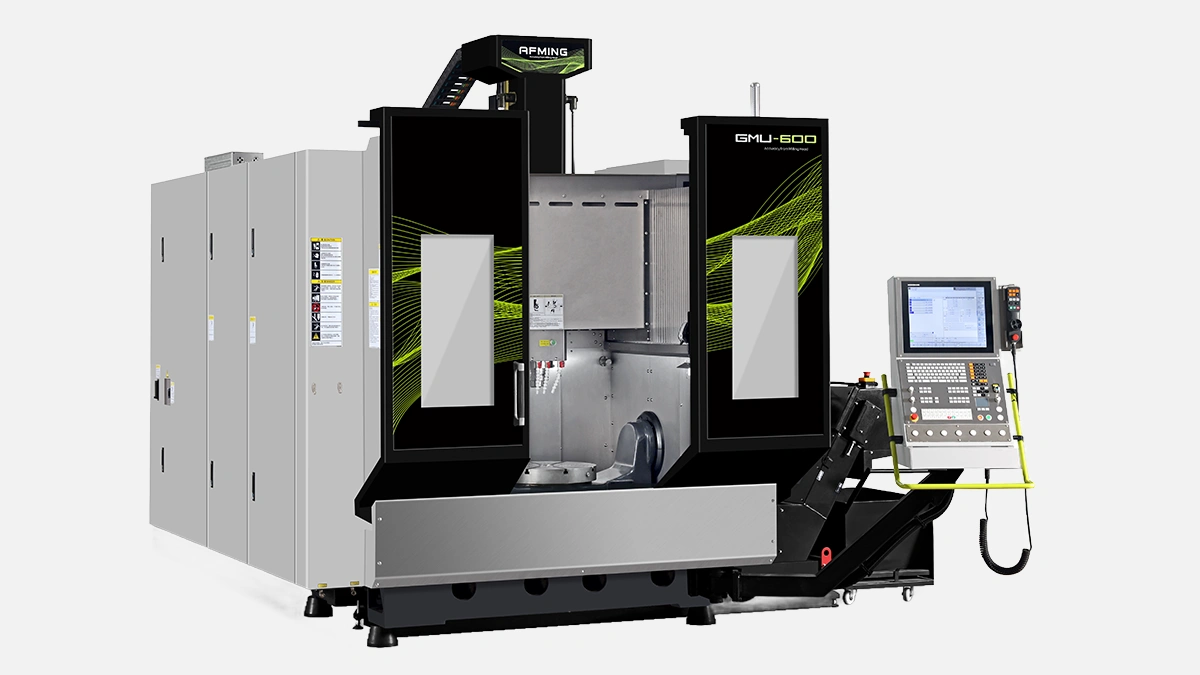
Compact GMU-600 five-axis mill, 600 mm stroke, 18 k rpm spindle, for mixed UAE job-shops.
Short. Punchy. The GMU-600 just sits there, all gray metal and hum, and you can almost smell the cutting fluid. Blink, the table swings, the head tilts, another five-axis ballet routine starts. I pause, think, there is a whole story hiding behind that motion.
We are in the Gulf, heat outside, chilled shop floor inside, deadlines everywhere. A shop that machines downhole tools or titanium brackets for an airline seat does not care about glossy brochures, they care about cycle time and scrap rate. Afming has been around for 18 years, cranking out roughly 900 machines a year, five versions of the GMU line so far, this 600 sits in the middle – not tiny, not monster, sweet spot.
Before I drift off, here is a table you can screenshot and wave at your chief engineer.
| Axis | Stroke | Feed | Remark |
|---|---|---|---|
| X | 600 mm | 40 m/min | Linear guide |
| Y | 600 mm | 40 m/min | Linear guide |
| Z | 500 mm | 36 m/min | Roller guide |
| A | 360° cont | 50 rpm | Direct drive |
| C | ±110° | 50 rpm | Torque motor |
Numbers dry, still necessary. The rest of the sheet, spindle at 18000 rpm, 22 kW, pull-stud 40 taper, coolant through spindle standard, you get the vibe.
One minute you are milling Inconel 718, next minute an aluminum manifold for a refrigeration contractor. The machine does not flinch. Reasons I keep hearing, usually shouted over the compressor noise:
After all that, someone always asks about spare parts lead time, they quote 48 hours from Afming warehouse in Sharjah, not bad.
I was standing near the spindle, ear defenders on, and it dawned on me, the torque curve is flatish from 2000 to 12000 rpm, so you do not get that weird micro stall when roughing stainless at medium speed. Afming uses a direct-drive motor, fan cooled, no belts, less vibration. Is it completely silent, of course not, but the sound is more humming than screeching, a tired operator’s ears appreciate that.
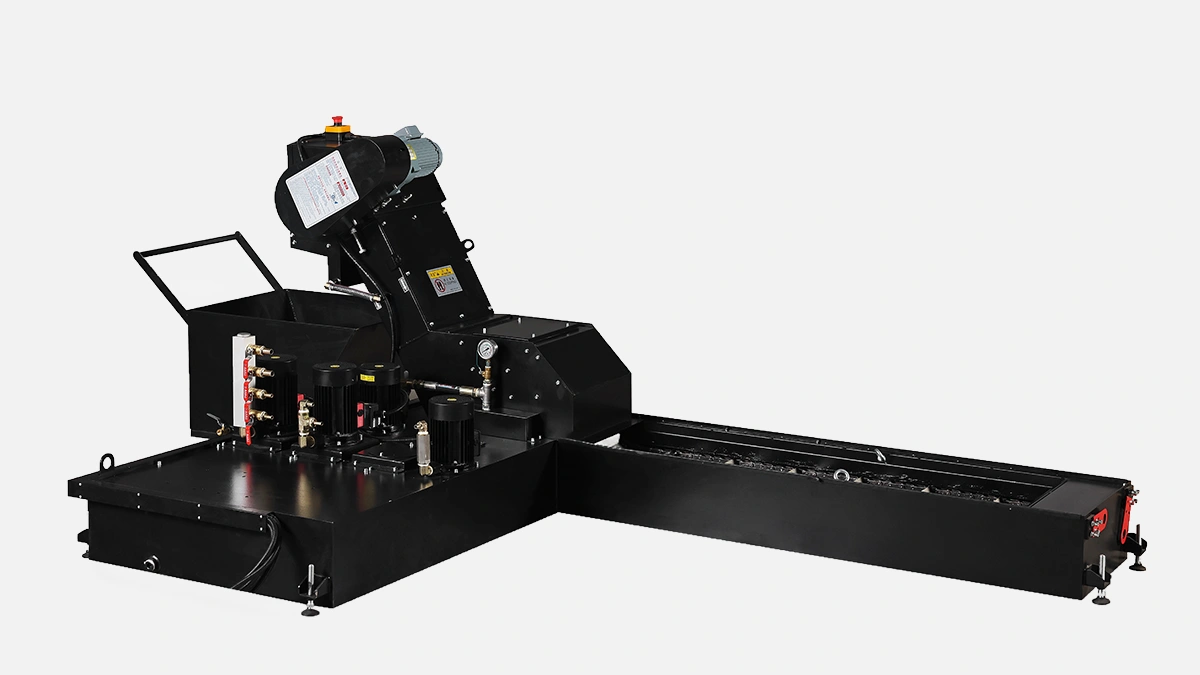
Coolant tank 250 liters, paper band filter optional, standard cyclone plus magnetic drum already handles most steel jobs. The conveyor is hinge-belt, pitch 63 mm, jam before lunch is rare. I saw them mill duplex steel flanges, chips look like dark blue commas, everything landed in the bin, no babysitting.
Every job hit tolerance within 0.005 mm after warm-up, no offset drama.
Afming ships with Fanuc 31i-B5, but most UAE buyers go for the Heidenhain TNC640 variant, smoother surfacing and the guys already know the soft keys. Dynamic Collision Monitoring is preinstalled, three user seats. Write a tilted plane macro, store it, reuse it, life simpler.
Another list, because why not.
* 120-tool chain magazine, if you juggle many setups
* Renishaw RMP60 probe, saves hands and nerves
* Blum laser tool setter for micro end mills down to Ø0.2 mm
* Through table vacuum fixture, pretty much mandatory for carbon panels
* Oil mist collector, local rules tightened last year, inspectors show up unannounced
People love to compare everything to a DMG MORI DMU 75 monoBLOCK or an HAAS UMC-750. I pulled my notes.
| Feature | Afming GMU-600 | DMU 75 monoBLOCK | HAAS UMC-750 |
|---|---|---|---|
| Spindle rpm | 18000 | 20000 | 12000 |
| Power kW | 22 | 35 | 30 |
| Table load kg | 250 | 600 | 300 |
| Footprint m² | 8.5 | 10 | 9 |
| Base price | lower | highest | mid |
The Afming loses on raw power, wins on footprint and utility cost, sits sweet on price. If your work is medium size and not pure heavy hogging, the balance looks attractive.
GMU-400, GMU-600, GMU-800. The 400 gives you X stroke 400 mm, handy for dental implants, footprint tiny. The 800 stretches to 800 mm stroke and 500 kg load, but needs a crane and a deeper wallet. So the 600 feels like the center sibling, shares spindle cartridge and control with the other two, service kits interchangeable, logistics easier.
Operator Ali at Sharjah Industrial Area presses cycle start, hears a click instead of the usual thunk, machine throws an axis clamp alarm. Turns out the shop floor voltage dipped to 187 V on one phase, machine UPS kicked in, finished the toolpath, parked safely, no scrap, no bent tool, zero downtime. Good story to tell the purchase manager.
I will not sugarcoat.
1. The side door is narrow, you bump elbows when swapping a massive angle head.
2. Jog wheel plastic feels cheap, though it never cracked.
3. Built-in light is fluorescent, yellowish, most swap to LED strips.
Still, for the price category the list of pain points stays short.
Running at 70 percent spindle load, three shifts, the machine pulled around 8.5 kWh on average according to a Fluke logger. Gulf electricity rates being what they are, that matters. Chiller unit is inverter driven, spins down at night.
Afming keeps a crew of 9 field techs in Dubai, plus one parts van. Mean time to repair for a servo pack swap, as quoted by two shops, is about 4 hours once the guy is on site. Firmware updates over VPN, you just give them a time window, they log in, push the patch, done.
The GMU-600 is not a miracle box. It simply does the job, day in, day out, across stainless, aluminum, composite. If you run 80 percent oil and gas, 20 percent aerospace brackets, and space is tight, this is the box that fits. And you will not wait three quarters for shipment, lead time sits around 12 weeks right now.
I could rant more but the takeaway is plain. Compact envelope, stable five-axis kinematics, parts arrive on time. That is why fabrication shops from Jebel Ali to Abu Dhabi keep signing POs for it.