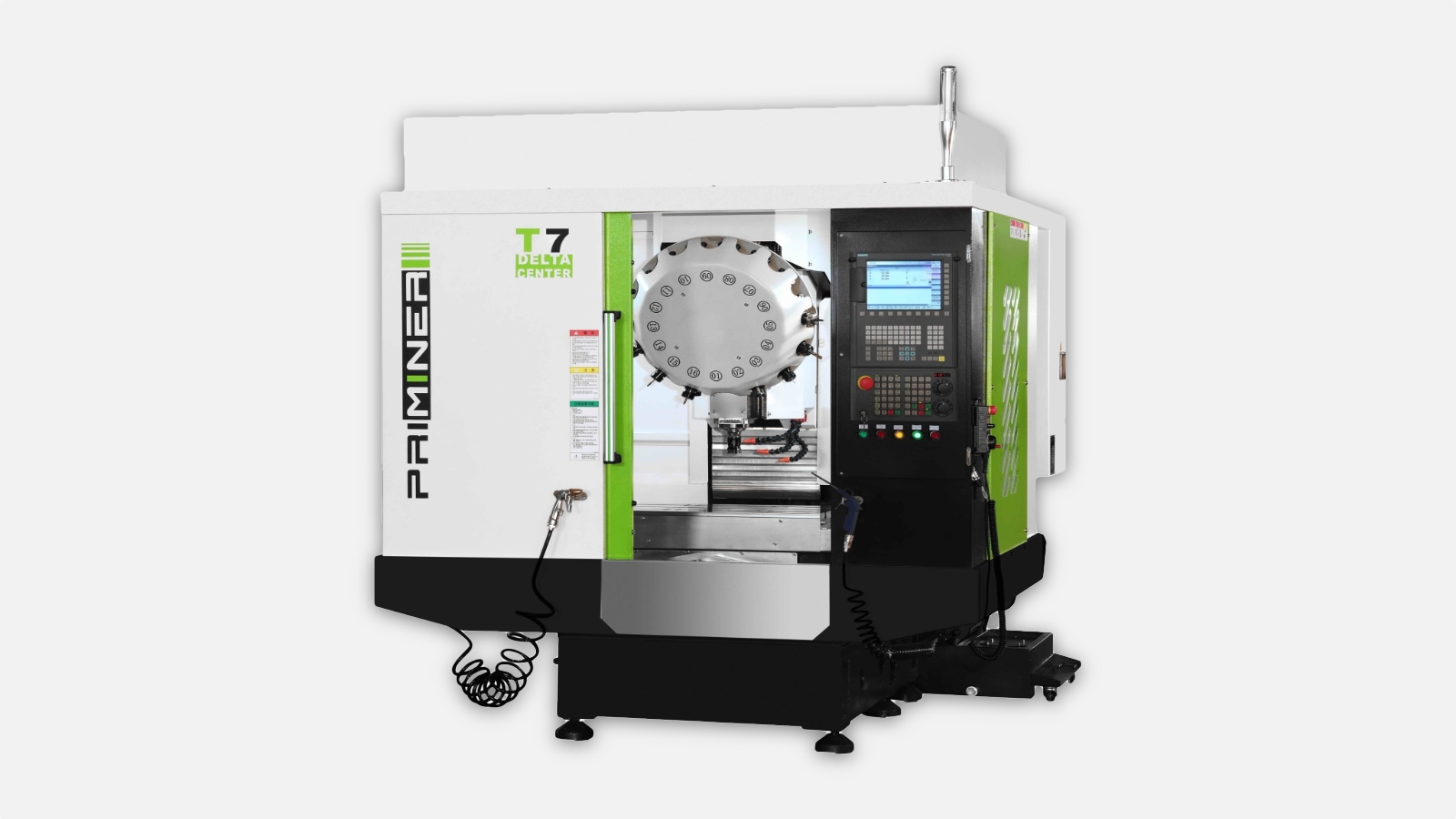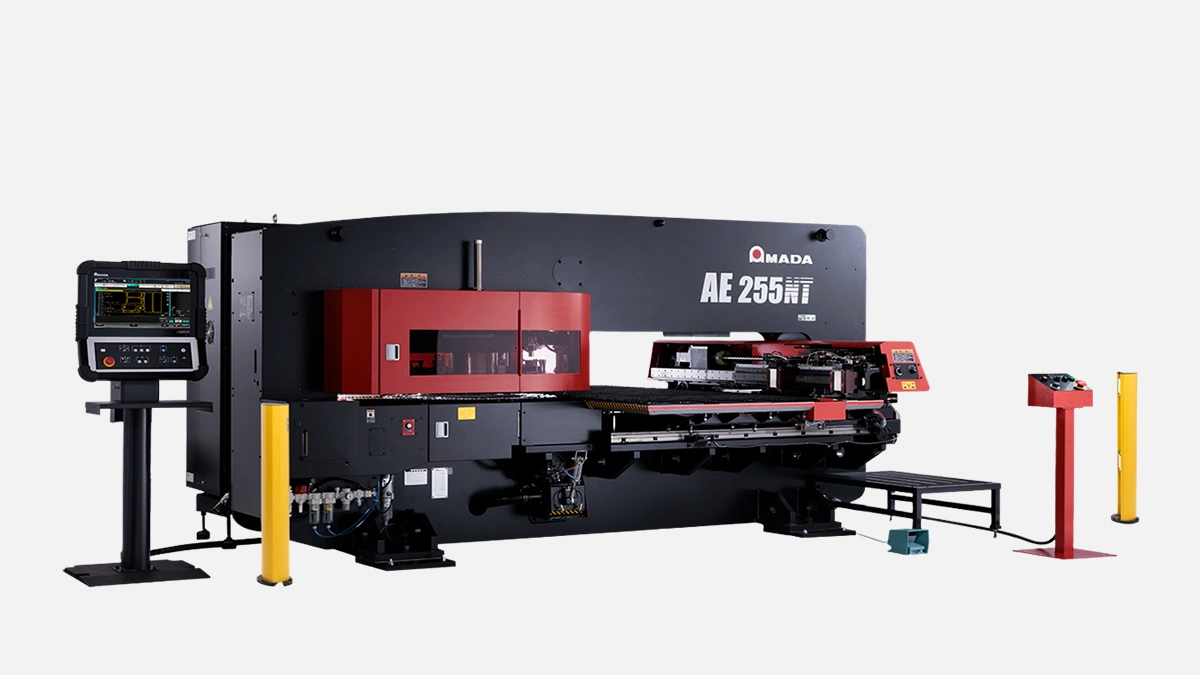
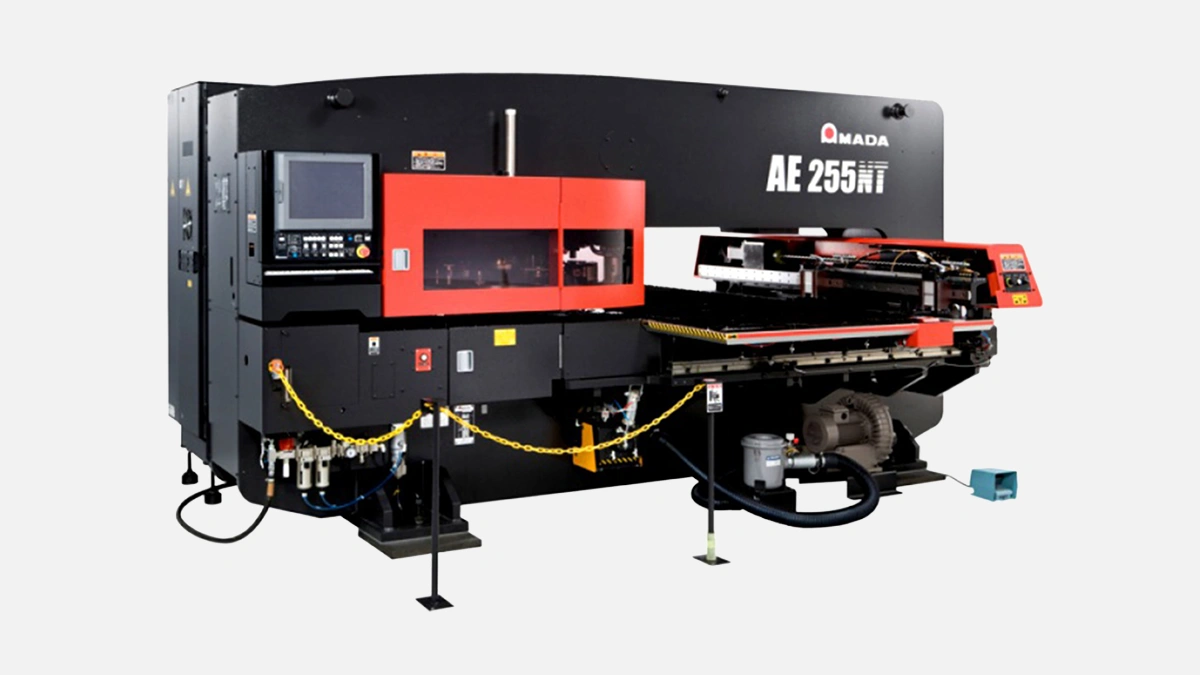
Servo electric Amada AE-NT turret punch, 200 kN, 45 stations, low noise, ideal for UAE sheet metal
Short intro first. Amada has been shipping servo driven turret punches for more than 20 years. The AE-NT line, launched in 2007, sits in that sweet spot where a small UAE job shop still fits it through the door yet a huge production hall can park three in a row and keep them busy 24 h.
I blink, sip coffee, jump straight into the steel. The AE-NT is quiet, like suspiciously quiet, because the flywheel is gone. Direct AC servo does the punching, so at 02:00 AM nobody bangs on the wall from the neighboring warehouse. Productivity though, it stays loud on the spreadsheet.
Heavy C-frame, welded, stress relieved. Nothing exotic. What matters is the servo ram that dishes out up-to-you energy every stroke. Thin aluminium, tap the down-button lightly. 4 mm stainless, ask the motor for the full 200 kN. No pneumatics, no hydraulics, only electric amps. Maintenance team smiles, the oil crew is out of a job.
The table rides on brush tables and small roller balls. Scratches on anodized aluminium sheet? Less than before, I swear. The clamp system auto moves so you chase fewer dead zones.
Two sentences before the table, promised. Keep reading, the numbers pay the rent.
| Spec | Value |
|---|---|
| Punching force | 200 kN |
| Hit rate 25 mm pitch | 430 hpm |
| Hit rate 1 mm pitch | 780 hpm |
| Axis traverse X | 2500 mm |
| Axis traverse Y | 1270 mm |
| Sheet thickness max | 3.5 mm MS |
| Station count | 45 + 4 A/I |
| Power draw average | 6 kW |
| Footprint | 5.0 × 4.9 m |
| Mass | 13 t |
Numbers done, but do not fold the laptop yet, real life hides between the rows.
The servo only sips power during the stroke, then feeds regen back to the grid, so DEWA meter spins slower. One customer in Sharjah logged 27 % lower kWh versus his old hydraulic machine, totally anecdotal yet tasty.
Punch press is as good as its turret. Amada keeps the classic A B C D E stations, plus four indexable slots that rotate 360 °. You drop a nibbling wheel, hit the program, the thing orbits like crazy, weird contour appears, no laser dross to grind off.
Before listing favorites, let me throw a personal rant. People buy a punch then cut only round holes all day. Facepalm. Use what you paid for:
See, three bullets, small joys that raise invoice value by a couple of dirhams each part. Below, another list is waiting, patience.
I measured smart stroke time on a 60 × 120 mm rectangular cutout. Program hit 12 punches, sheet hop, another 12, total 24 strokes, stopwatch said 3.1 s. X axis ramps 80 m min, Y does 60. Older AE-2510NT units are a tad slower because the controller sits on 200 MHz hardware, the newer AE-2610NT got a faster card so squeeze 10-12 % more parts per shift.
The controller, branded AMNC-F, drops DXF straight in, builds auto tooling map, even fixes micro tabs on the corners so you do not babysit the nest.
Hydraulic punch presses scream at 95 dB nearby. The AE-NT idles around 72 dB, peaks 85 when slamming 3 mm steel. Power meter shows spikes to 14 kW during heavy hit yet the rolling 5 min average is 6 kW. Air compressor? Off. That alone cuts monthly maintenance tickets.
Enough praise, grab a ruler, hit the competition. I stacked three models common in GCC yards:
AE-NT sits in the middle, keeps 45 stations, local Amada UAE branch stocks consumables in Jebel Ali, downtime shrinks, that is the ace.
There are actually three siblings right now.
Controller, turret layout, drive, all identical, so operator jumps between machines with zero drama.
Climate in Abu Dhabi stays above 40 °C half the year. Hydraulic seals hate that. Electric punch does not sweat oil, coolant, hoses, so no thermal drift and no messy floor. DEWA tariff sits at near 0.30 AED kWh for some industrial brackets, so those regen amps are not a joke.
Steel stack mostly comes from Hamriyah mills in 1500 mm width. The AE-NT grabs 1270 so you trim 115 mm off one side or request slit coil. Some shops buy the 2610NT variant to swallow the wider sheet and skip that trim.
Two lines about loading. Amada offers the TK-3010L parts pusher and the ASR automated storage. Retrofit later is possible because the machine base already has anchor points taped, bolt the kit, run the calibration macro, done. Ethernet 100 Mbit is stock, OPC UA module costs extra but saves shouting across the hall when the MES guy needs data.
Now a second bullet list, as declared earlier. Each line heard from real dudes in blue overalls during a visit in Al Quoz.
After that many shifts they almost forget to curse the boss.
Mean time between service calls is around 3000 run hours according to Amada service book, but Sharjah client claims 5000. Filter is a simple dust screen, swap monthly, belts yearly, grease rails every 250 hours. The AC servo comes sealed, zero checklist there.
Amada ships roughly 500 AE units yearly worldwide, the replacement rate shows they keep value. This balance of quiet running, generous turret, and moderate footprint explains why HVAC panel cutters in Dubai, sign makers in Abu Dhabi, and electrical cabinet producers up north gravitate to this model.
Bottom line, if your mix spans thin gauge aluminium, 2-3 mm mild steel brackets, and decorative perforations, the AE-NT covers that without begging for chillers or oil exchanges. Bigger tonnage you go elsewhere, ultra tight tolerances pick a laser, yet the gap in between is exactly where AE-NT cashes in.