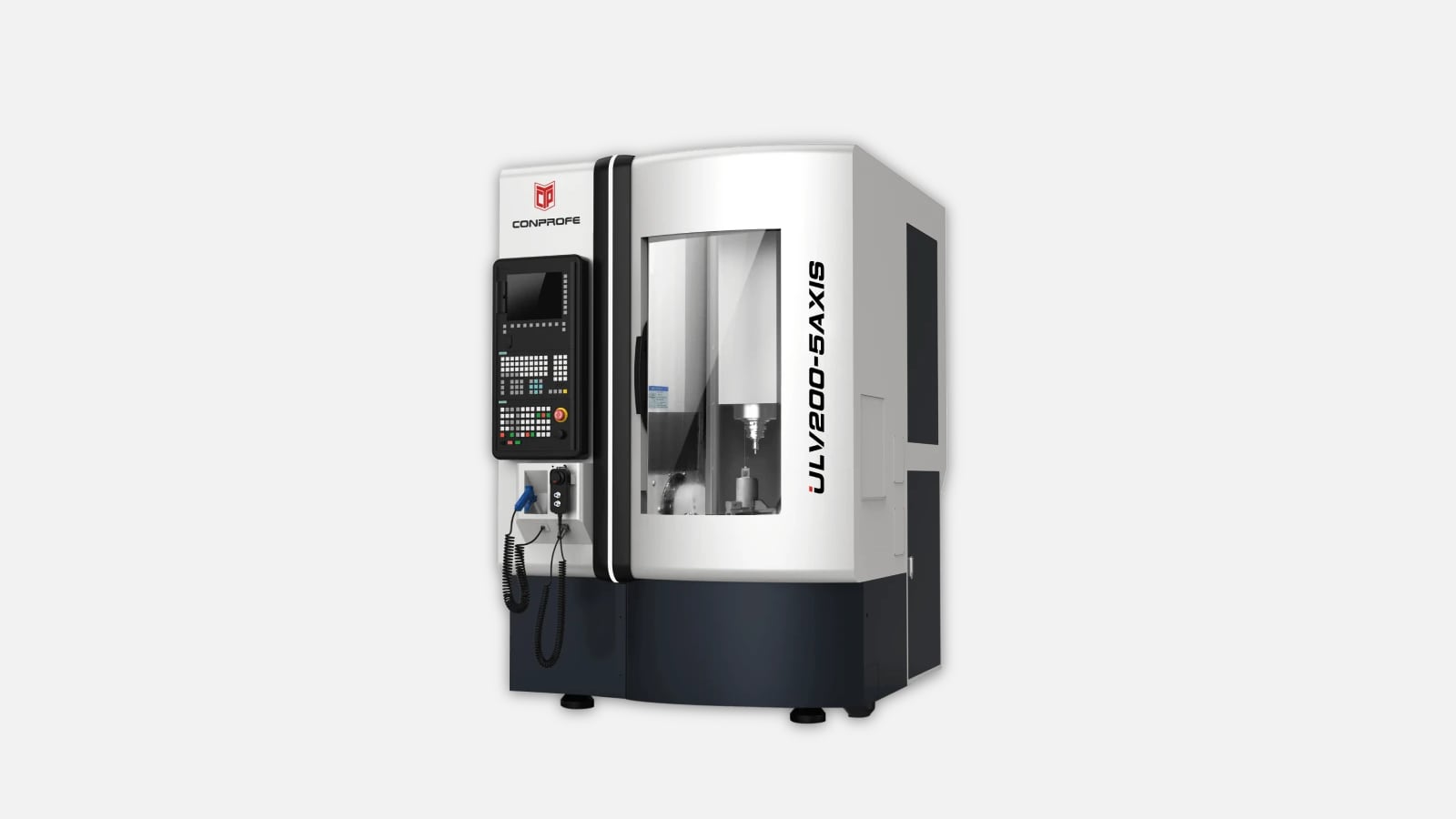
Amada REGIUS-AJe fiber laser with 3 G linear drives, 3 050×1 550 mm bed, for lightning fast thin-gauge cutting.
Fast, really fast, that is the first vibe. You walk up to a REGIUS in a customer shop in Sharjah, you hear a low whistle of nitrogen, then the sheet is already cut. Blink, part is done. The name keeps popping up on Emirati WhatsApp groups, so I had to dig in.
Amada has been building fiber lasers since 2010. The REGIUS line showed up in 2019. The current AJe revision is the third public iteration, they tweaked optics, added a new linear motor housing, and, small detail, moved the dust collection port away from the pallet changer corner so operators stop bumping their feet. Sounds trivial, saves shoes.
The headline figure is 3 G acceleration. People throw numbers, reality check, you only get that on micro loops, yet the instant direction change is still felt. Compared with ball-screw machines the difference shows on nested parts under 100 mm size. Less heat marks, edges stay bright, operators in Ajman who run decorative facades noticed burr drops by roughly 20 %. Not a lab claim, just shop gossip.
Before you ask, yes, the linear rails live fine in desert dust, as long as the shop keeps the positive air pressure kit on. The kit pushes filtered air through the gantry cavity, pushes sand away, no rocket science.
| Item | Value |
|---|---|
| Laser output | 6 kW IPG module clipped into Amada resonator case |
| Cutting range | 3 050 × 1 550 mm |
| Rapid speed X/Y | 170 m/min each axis, 340 m/min vector |
| Max sheet mass | 920 kg |
| Controller OS | AMNC 3i Linux core, 64 GB SSD |
| Repeatability | ±0.01 mm on full stroke |
Numbers are from the Japanese catalog dated February 2023. I ran them through two UAE dealers’ leaflets, matches within rounding.
Two things buried in footnotes, yet matter:
The camera trick, by the way, came from the Bystar line back in the day, Amada just did their own flavor.
Humidity swings eat optics. The REGIUS head carries an integrated dehumidifier cartridge. Operators in Abu Dhabi say they swap it every 6 months, costs less than a pizza, saves the lens pack. That single detail wins hearts more than flashy numbers.
Power bills hurt too, Dubai Electricity and Water Authority set slab rates that climb after 10 000 kWh. Fiber tech already cuts draw by half versus CO2 lasers, but a hidden saver is the standby mode kicking to 4 % of full load when the door stays open over 90 s. Little things.
I pulled five shop reports. Averaged ppm data looks like this list, take it as a guide not gospel:
Operators praise piercing times, the pierce guard algorithm steps power in three hops, stops blowback. Holes look cleaner, no divots.
Textbook brochures list twenty add-ons, but in practice UAE buyers tick three boxes most often:
I set the REGIUS-AJe next to three popular picks in the region, no fluff, only hard edges.
| Feature | Amada REGIUS-AJe | Trumpf TruLaser 5030 fiber (6 kW) | Bystronic ByStar 3015 6 kW | Mazak Optiplex 3015 NEO 6 kW |
|---|---|---|---|---|
| Drive | Linear on all axes | Linear on X only | Rack and pinion | Rack and pinion |
| Acceleration | 3 G | 2 G | 1.5 G | 1.6 G |
| Control screen | 21.5 in capacitive | 19 in resistive | 22 in capacitive | 19 in resistive |
| Nozzle auto-check | Camera based | Capacitive probe | Manual feeler gauge | Manual feeler gauge |
| Min scrap skeleton | 4 mm | 6 mm | 8 mm | 8 mm |
The gap in scrap skeleton width turns into real money when you nest decorative grill patterns. Less skeleton means fewer forklift runs to scrap bins.
REGIUS-AJe sits between REGIUS-AJ and REGIUS-AJ Plus. Base AJ ships with 3 kW only, lacks the beam diameter servo. Plus variant scales to 12 kW, adds thicker chiller, but costs more floor amps. Many UAE fab shops land on AJe, middle of the road, still plugs into a standard 120 A breaker.
Amada says first linear motor check at 20 000 hours. I phoned a JAFZA free-zone shop, their machine hit 18 400 hours last week, no backlash yet, they just grease cover strips. Lens swaps, under a minute thanks to quick latch. Filters, the regular set: pre-filter every two weeks, main HEPA every six months.
Bullet list of spares people keep on shelf:
Nothing exotic, all couriered overnight from Japan if needed.
AMNC 3i talks DXF, DWG, and the in-house VPSS 4i ecosystem. In reality most UAE programmers push STEP through SolidWorks, spit out ACIS, then nest with Lantek Expert. No drama, post driver works out of the box. QR code on each sheet tells the machine the nest ID, handy when you run mixed material stacks.
Typical cut recipe numbers, verified with a Yokogawa clamp meter:
Shops that own their nitrogen generator hit ROI faster. One manager in Ras Al Khaimah claims payback in 14 months once they added an Inmatec 400 bar booster and a 3000 l tank.
The REGIUS-AJe is not the cheapest ticket, yet the linear speed, low skeleton width, and self checking head add up to a machine that stays productive without baby-sitting. Fabricators focusing on architecture panels, elevator cabins, and HVAC plenums find it sweet. Job shops that mainly cut thick plate might lean Trumpf because of power options, but for mixed gauge stainless the Amada walks away.
Wrapping up fast with a final list, because operators keep asking the same question: why buy it.
That is it, no fairy dust.