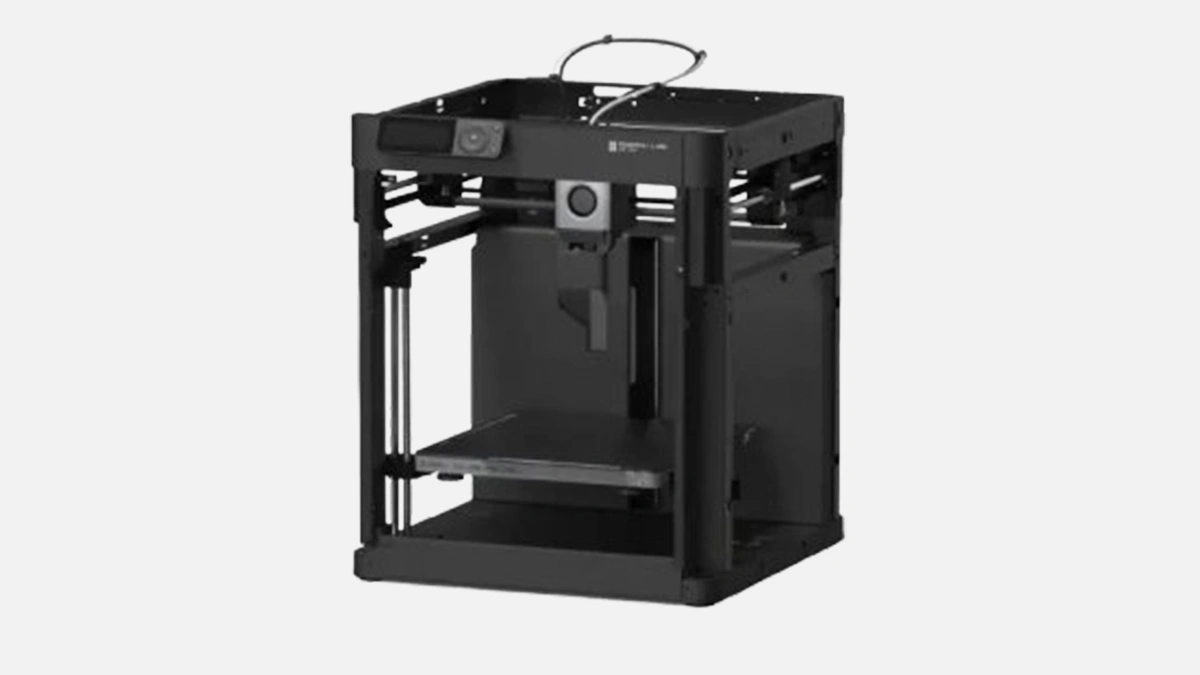
CoreXY 3D printer hits 500 mm/s, 256 mm cube, perfect for quick shop fixtures
Short line. Another one. And suddenly I dive into a longer sentence because, frankly, a printer that spits molten polymer at 500 mm per second has enough punch to make even a hardened CNC guy raise an eyebrow, especially when that printer can sit on a steel workbench next to a 3-ton machining center.
The jig game is brutal in the Gulf, customers want parts yesterday, subcontracting an aluminum fixture might take 7–10 days, meanwhile the spindle stays idle, nobody earns dirhams, everybody loses face. Plastic tooling printed overnight solves the gap. P1P does it without the training hell that comes with industrial SLS units, power on, upload G-code, go home.
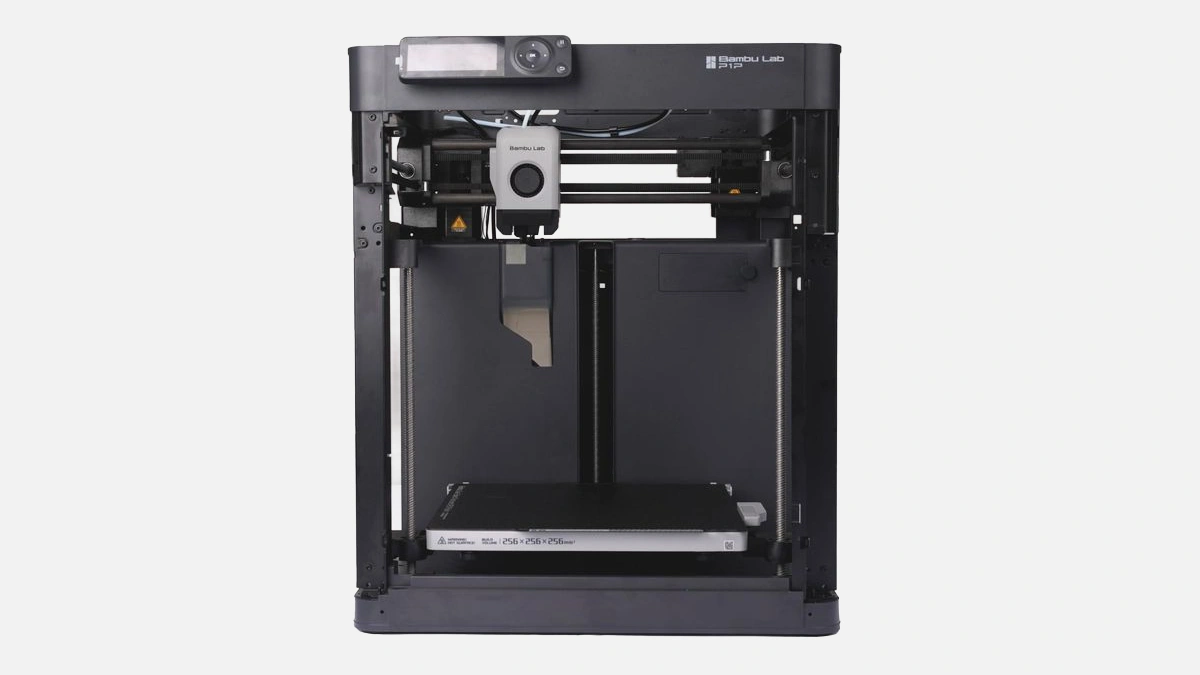
Here is the fun bit: the frame looks bare, no side panels, almost punk, yet vibration control inside the CoreXY kinematics lets the carriage pull 20000 mm⁄s², which is absurdly near the limit where your eyes cannot follow the nozzle. The firmware runs pressure advance, input shaper, yada yada, user only sees sharp corners without blobs.
Before jumping into claims, check numbers.
| Metric | Bambu Lab P1P | Prusa MK4 | Creality K1 | |
|---|---|---|---|---|
| Build cube | 256 mm | 250 mm | 220 mm | |
| Max speed | 500 mm/s | 250 mm/s | 600 mm/s | |
| Accel | 20000 mm/s² | 8000 mm/s² | 20000 mm/s² | |
| Bed temp | 100 °C | 120 °C | 100 °C | |
| Out-of-box enclosure | No | No | Yes | |
| AMS multi-material option | Yes | Third-party | No |
Notice, P1P sits in the middle, speed rivaling K1, build size beating both, price near Prusa. Metal guys like that balance because ROI matters more than pretty housing.
Two sentences around it. Rigid facts, no fluff. The list above is not marketing glitter, it is what the forums yell about after 12 months of daily abuse.
Bambu Lab popped up in 2020, ex-DJI engineers, first model X1 scaled quick, now the catalogue holds five printers, monthly output hovers around 15000 units according to filings shared by investors. P1P is technically the third revision of that motion platform, stripped cosmetics, same motion brain. Saving panels shaves cost, yet nothing critical for print quality vanishes.
Power spec uses universal 100–240 V, so any standard factory socket in Abu Dhabi feeds it. Throw it on a rack, bolt down if vibration transfer worries you, feed spool, run automatic calibration. The lidar bed leveling is absent on P1P, still nine-point inductive probe finishes in 40 seconds.
Again, words around list keep rhythm messy, real.
| Item | Qty per year | Dirham cost* |
|---|---|---|
| PTFE tube | 2 pcs | 60 |
| Hardened nozzle | 4 pcs | 120 |
| Build plate sheet | 1 pc | 110 |
| Filtration sponge | 6 pcs | 50 |
| Grease packet | 1 | 15 |
Small money compared to tool steel inserts for a milling chuck. Note, prices are street level Dubai, checked October 2023.
Everyone loves PLA until it meets cutting fluid, so most shops here pivot to PETG or ASA. P1P bed heater stays at 100 °C, adhesion fine for PETG, borderline for ABS unless chamber air is over 35 °C, easy hack is cardboard box enclosure, literally costs 0 dirham. I tried it, warping disappeared, smell stayed outside.
Motion belts scream at 500 mm/s, meter shows 58 dB at 1 m, similar to a small compressor, nothing dramatic on a factory floor. Consumable fans pull air through a tiny charcoal filter, not a full HEPA, so if you push nylon all day you still want ducting.
Old school method: machine aluminum jig, surface grind, anodize, total lead time 5–7 working days, direct cost 400–700 AED depending on size. Printed PETG jig on P1P, lead time 8–10 hours, material cost 25 AED, strength roughly 35 % of aluminum but sufficient for clamping under 2 kN. The math screams obvious.
The open frame collects dust, so in a sand-heavy suburb like Sharjah you need a fabric cover. The touch screen is micro sized, gloves struggle. Cloud slicer sometimes times out through corporate VPN, local LAN slicer fixes it. None of these break the deal, just daily life.
Bambu sells X1-Carbon, P1P, A1 and two mini units. X1-C costs roughly double, brings lidar layer inspection and full enclosure, accelerates equally, volume identical. If you print flame retardant PA-GF for aerospace tooling, X1-C pays back. If you mainly pop PETG fixtures and PLA prototypes, P1P nails it. The A1 is bed-slinger, slower, cheaper, skip it for industrial tempo.
Tooling shop in Jebel Ali Free Zone runs 6 P1P units next to Mori Seiki lathes, prints soft jaws for bar stock, they claimed payback in 3 months because part changeover got quicker. A sign workshop in Al Quoz dumps entire letter sets overnight, no overtime.
Do that and the printer hums past 5000 hours according to Reddit reports, same platform on X1 already crossed 8000 in labs.
No hype, just throughput. If your CNC machinists waste time waiting for fixtures, grab a P1P, drop it in the corner, let it eat filament overnight, spindle starts at 8:00 sharp with a fresh jig. Works, simple.
That is it, raw and straight. P1P gives CoreXY speed, respectable build cube, multi color bolt on module, brand support with spare hubs in Dubai warehouses. Jigs, mockups, ergonomic handles, soft tooling, the printer covers them. Metal shops buying today care about downtime and repeatability, both boxes get ticked.