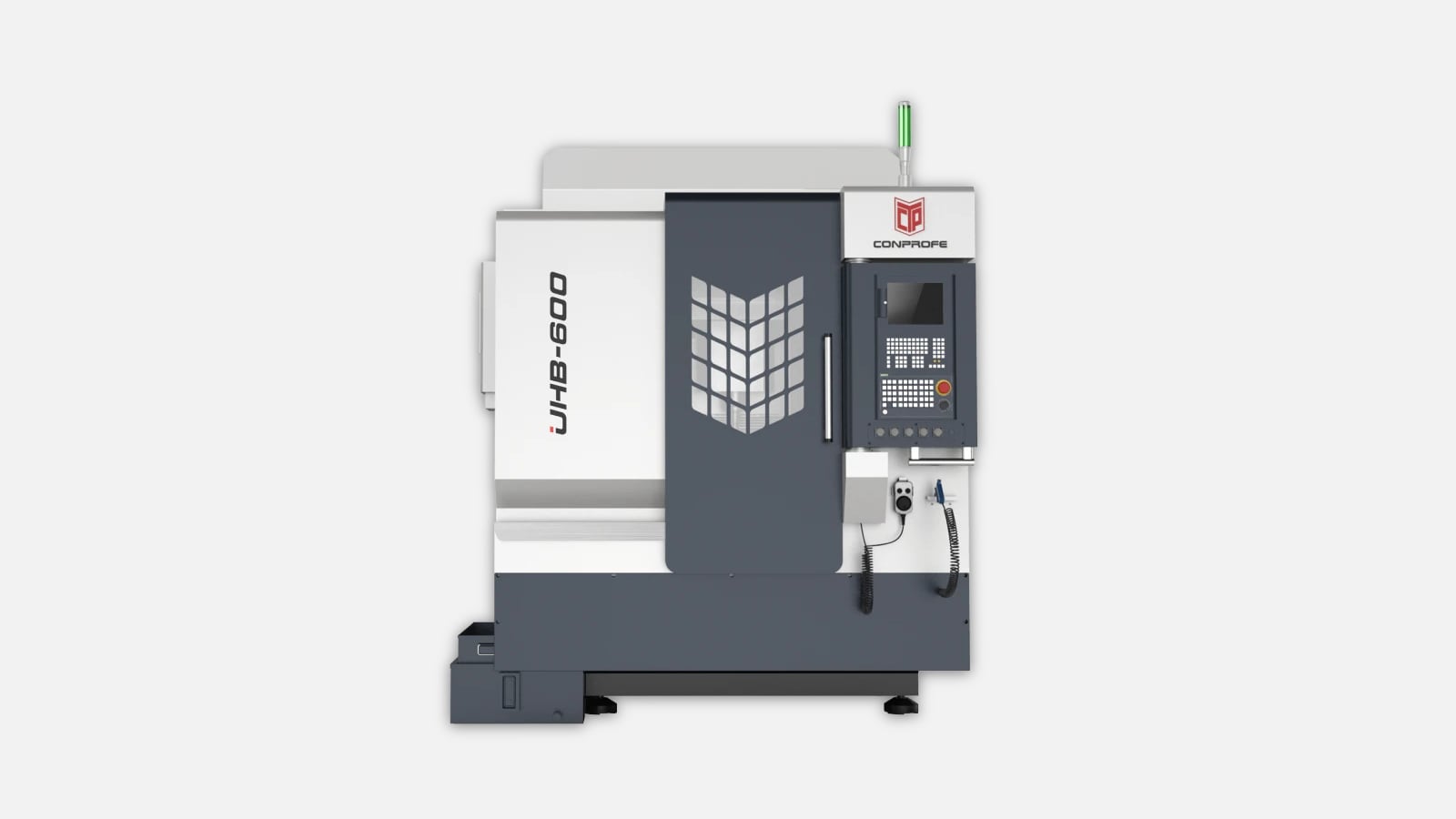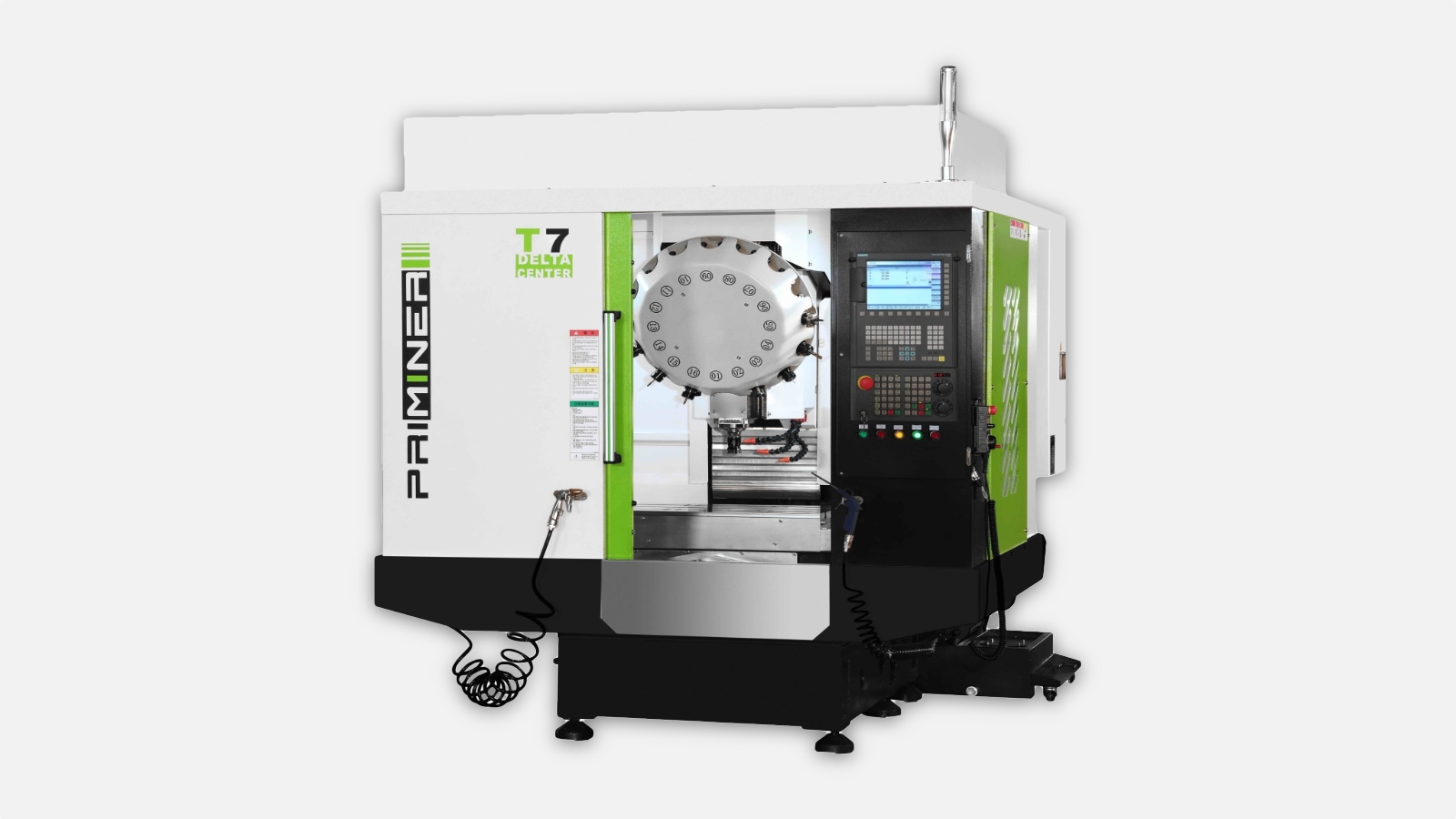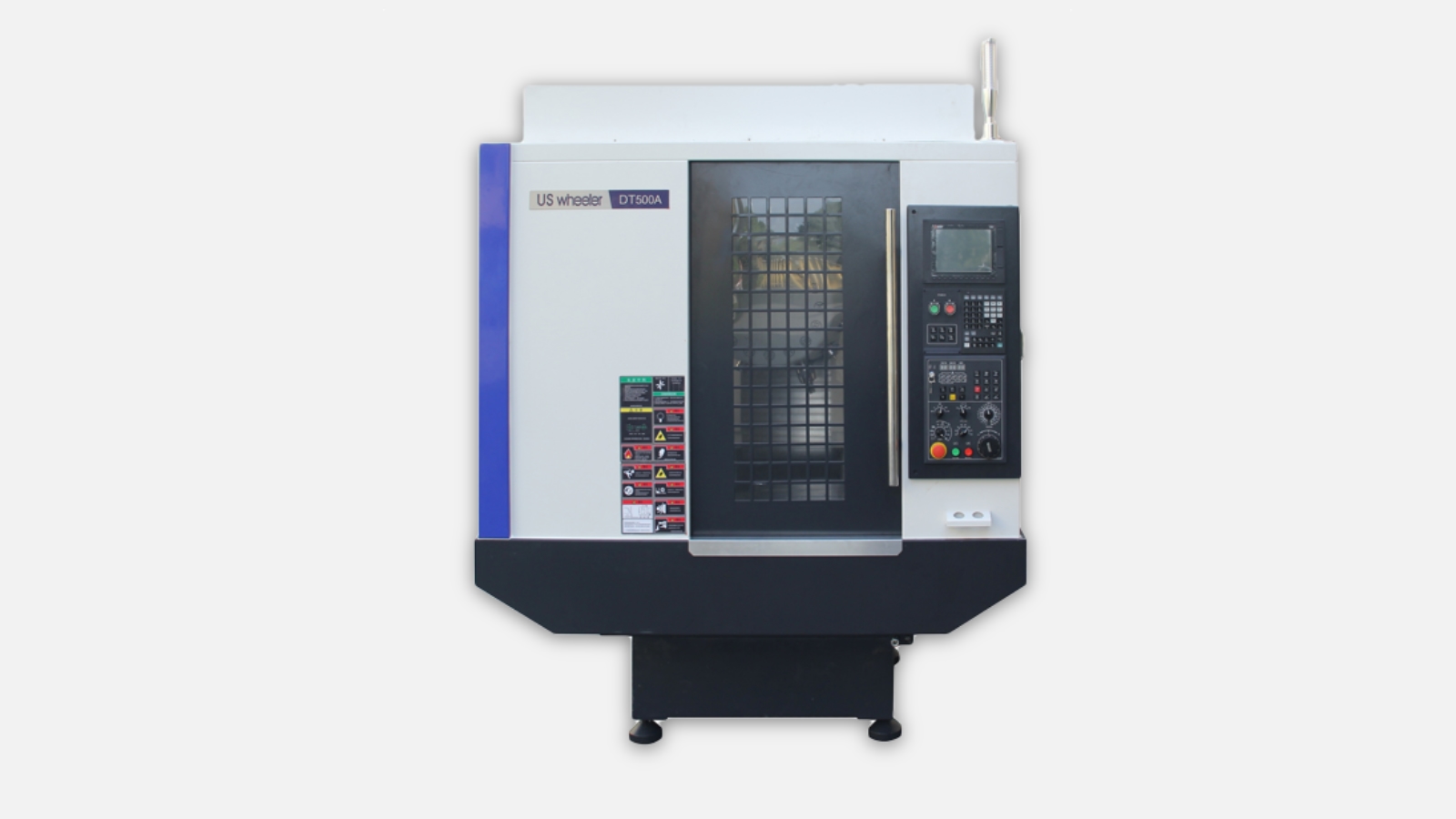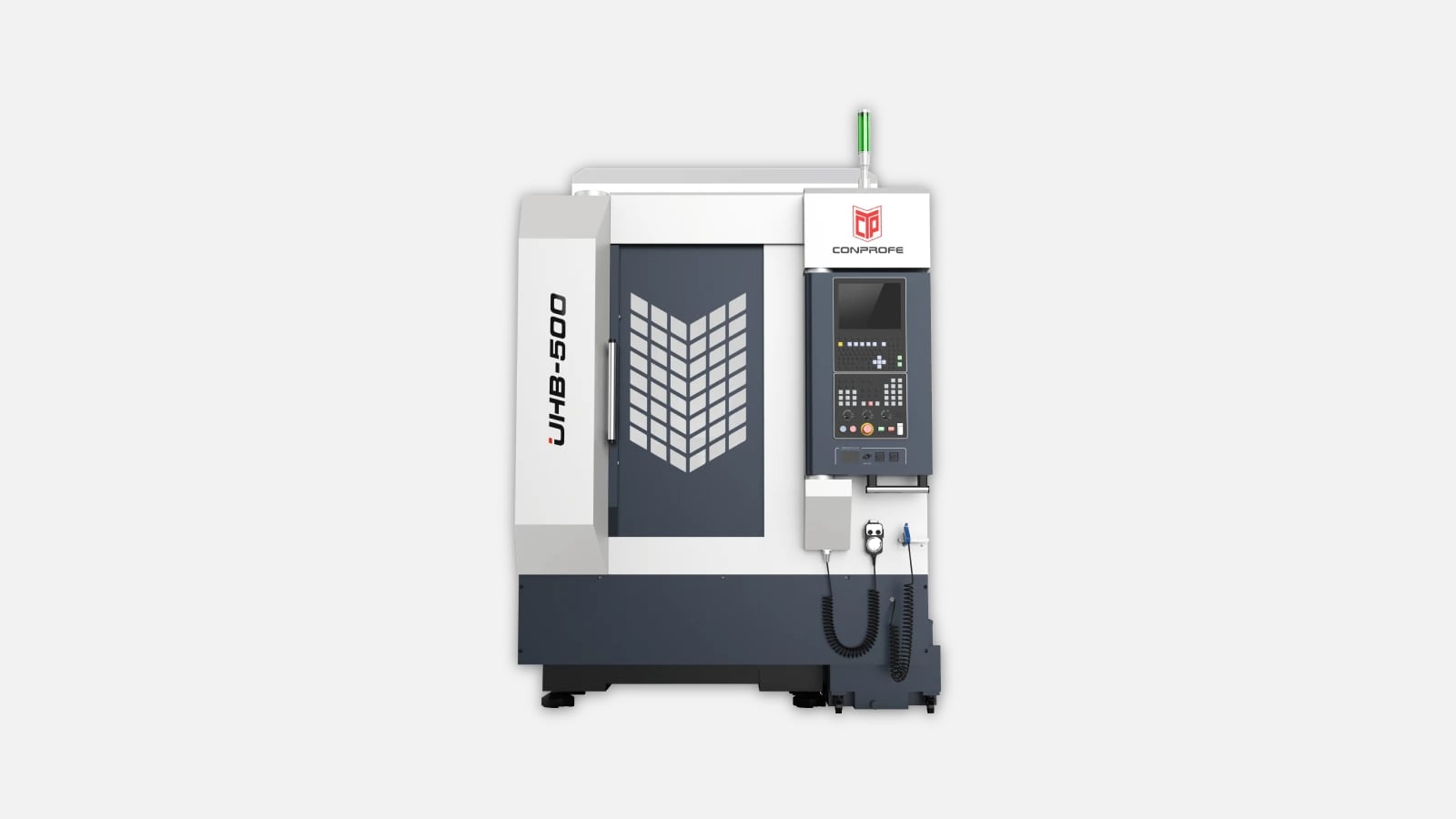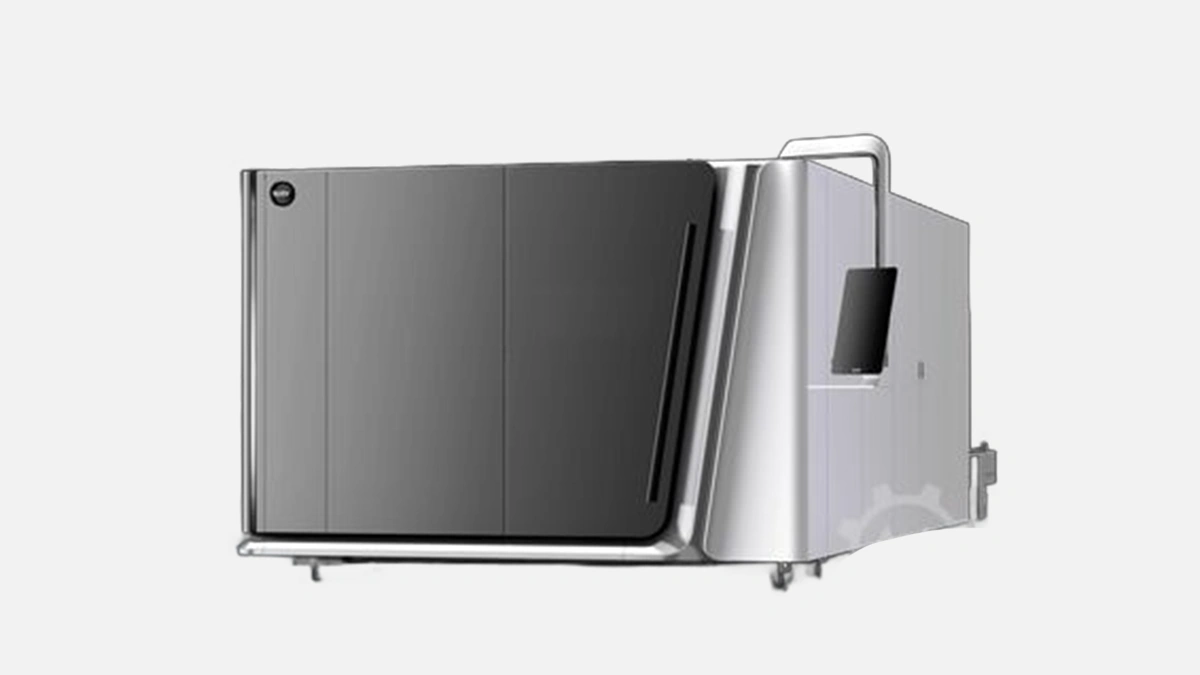
Fiber tube laser Bodor C Series slices 20–220 mm tubes up to 6500 mm long with 1–3 kW power, fast loader, compact frame.
Short phrase, almost a whisper. Fast cut.
Then, smack, reality. A truck of 3-millimeter stainless sits outside because yesterday’s plasma table stalled again. The plant manager paces, the operator scrolls WeChat. This is the gap the Bodor C Series tries to fill, and it does that in a way that feels almost casual, like it does not care that you spent half a night aligning rollers.
Bodor has been on the market for 14 years, releases roughly 2 000 laser systems each year, and the C family sits somewhere in the middle of their 31-model portfolio. There have been 4 iterations of the C design, each time the frame got stiffer, the chuck lighter, the software a bit more talkative.
Walk through any Dubai HVAC contractor, you will see kilometers of mild-steel pipe turning into fancy lattice structures for malls. UAE clients push for tight delivery windows, especially before big exhibitions, so idle time hurts more than electricity bills. Fiber tube lasers like the C Series squeeze minutes out of every joint and that is the actual currency here.
Two quick notes before I dive deeper.
power availability in the Emirates is stable, so no need to overspec UPS, just make sure you have a dry-air line around 9 bar,
outdoor temp hits 48 °C in August, place the chiller inside, it helps the resonator live longer.
See, bullet list done, we move on.
The backbone is a welded bed that goes through annealing, then milling in one setup. Torsion drops, alignment stays. The double pneumatic chuck, front and rear, grabs tubes from 20 to 220 mm round or 200 mm square. Jaws close in 0.8 s, which feels instant if you came from manual clamping. Ball-screw axes on X and Z reach 120 m/min no load, acceleration hits 1.0 G for short strokes.
Before somebody screams, where are the numbers, here you go.
| Item | C3 | C4 | Comment |
|---|---|---|---|
| Laser power | 1.5 kW | 3.0 kW | IPG or Raycus source |
| Max tube length | 6500 mm | 6500 mm | both share same bed |
| Chuck opening | 220 mm | 220 mm | pneumatic, self-centering |
| Rapid speed | 120 m/min | 120 m/min | identical servos |
| Positional accuracy | ±0.05 mm/m | ±0.05 mm/m | V-rail + rack |
| Repeatability | ±0.03 mm | ±0.03 mm | motor-encoder loop |
Numbers on the left, comments on the right, peace.
Text again. A table alone is dry, so let me colour it. Both sub-models share hardware, difference is only the resonator and chiller size. That keeps spare parts simple, an underrated perk when shipping to Abu Dhabi Free Zone takes a week at best.
BodorNest Tube feels like yet another CAM at first, but after 30 minutes you realize it auto-detects kerf compensation per profile. English, Arabic, Russian UI toggles by hitting F9, handy for mixed crews. Nesting engine avoids wasting the tail, shooting little connectors so the final scrap is under 40 mm. Nice.
Grab the bundle with overhead crane, drop it in the loader, sensors align the first stick, touch-free. Operator scans a QR that came from ERP, program pops up, hit green button. The front chuck feeds, rear chuck mirrors rotation, cuts finish in one pass, slug falls on belt, all good.
Another bullet list, because lists are easier to digest than my walls of text.
– Loading cycle under 65 seconds for 6.5 m tube,
– head auto-focus range 0–35 mm, covers black and bright alloys,
– lens cartridge swaps in <1 minute, magnets hold it,
– optional camera tracks dross, fires warning on WhatsApp, yes, really.
Pause, breathe, switch topic.
People keep asking, can 1.5 kW really slice 6 mm stainless, answer is yes but slow, around 800 mm/min with nitrogen 16 bar. For UAE clients I usually spec 2 kW, the sweet spot, still 10 kW grid contract handles it fine. 3 kW? that is for the guys doing mild-steel furniture frames, speed jump is visible, electricity bill is still lighter than running CO₂.
No numbers, only street talk. Bystronic ByTube does impressive angular cuts but the base machine costs more and the Swiss service van has to fly from Zurich. Trumpf TruLaser Tube 5000 brings stronger rotary axis, yet its footprint blows past 15 m. Bodor keeps the frame compact enough to slide into a 40-foot container, shipping cost to Jebel Ali around 3 k USD. Mazak FT-150W shines in thin wall aluminium, however it stops at 152 mm diameter, C Series eats 220 mm without blinking. So, C looks modest on brochures yet covers a wider diameter band than most.
Using IPG 2 kW source, the max draw sits near 23 kW, average during shifts floats at 13 kW, include chiller. Nitrogen is the real wallet burner, 30 bar bottles vanish fast, so budget for a generator or at least a mini PSA skid, most Ras Al Khaimah workshops went that route in 2022.
C3, C4, C6, numbers grow with power only. Mechanics stay. That uniformity means you can upgrade later, Bodor swaps the resonator, firmware already knows the new model code. Dealers did this upgrade in 6 hours, according to a user on PracticalMachinist forum, not official gospel but believable.
Foundry support frames, elevator shaft fabricators, yacht rail makers around Umm Al Quwain, all like the single-setup approach. They hated secondary drilling, now the laser pierces side holes at 0.2 s each, saves a whole jig station.
Wipe collimating lens every Monday, grease rack every 250 hours, purge chiller once a year. That is literally written on a sticker near the HMI, no need for a huge PDF.
Cut on 4 mm mild steel leaves a heat affected zone under 35 µm, barely visible under glass bead. Weldable right away, which is vital for prefab staircases where time equals rent.
A shop in Sharjah Industrial Area 12 logged 2800 hours in the first year, service log shows only one encoder fault, fixed remotely, they mailed the part overnight, operator swapped, done. Another user in Riyadh complained about loader sensors freaking out on black pipe, turned out he bypassed the reflective strip, once fixed, loader fine. Real life, not brochure.
You do not buy the C Series for bragging rights, you buy it to move crates faster. It is neither the cheapest nor the fanciest, but the balance of diameter range, compact frame, and bilingual software ticks the Middle-East boxes better than most.
Straight, done, time to return to production.