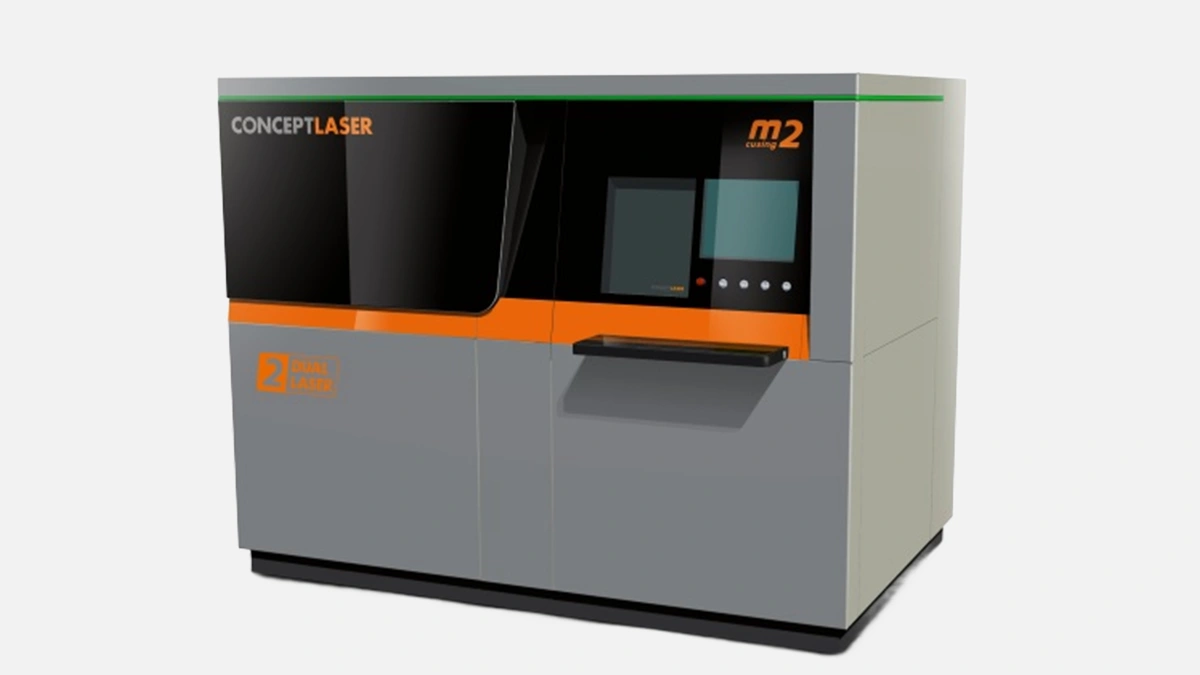
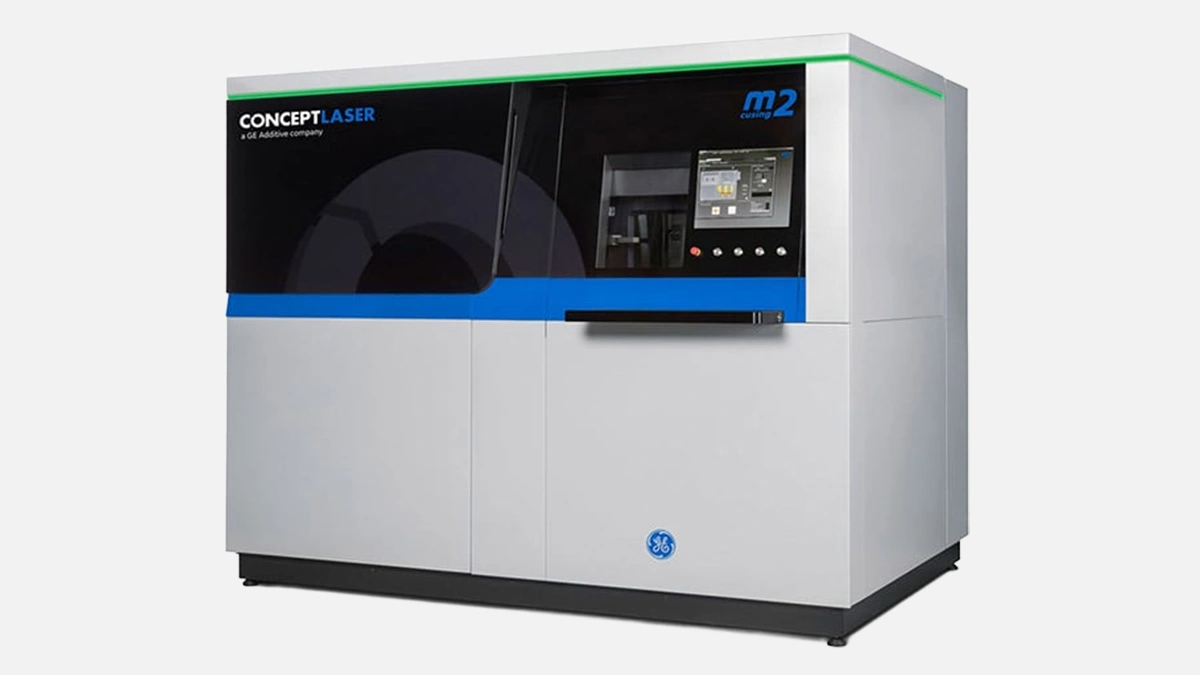
Dual-laser metal 3D printer 250×250×350 mm, sealed powder loop, proven in UAE shops
Short breath.
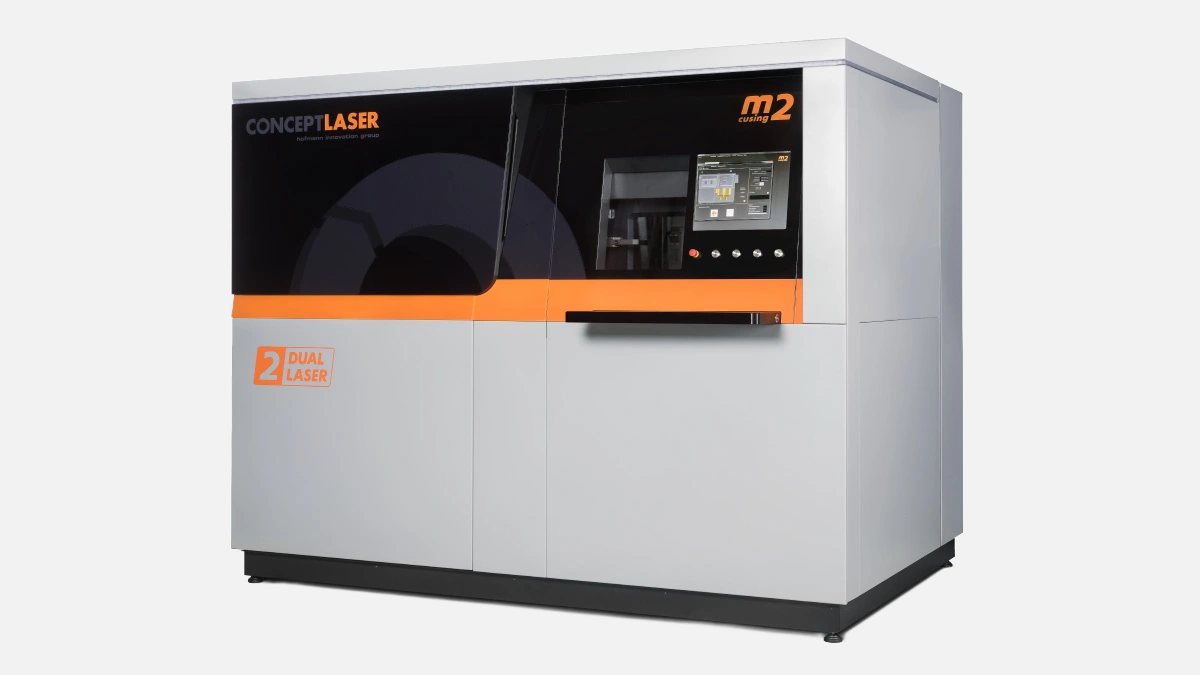
Metal powder everywhere, but organized. Concept Laser M2 Cusing sits in the corner of a Dubai job shop humming like a quiet fridge, nobody really looks at it until the door opens and a still-warm Inconel bracket shows up. That moment is a small fireworks inside any production manager’s head.
Laser powder bed fusion, nothing exotic, but detailed. Two 400 W fiber lasers share the 250×250×350 mm chamber, scanning zigzag paths slower than you think yet faster than conventional milling could ever mill thin ribs. Argon blanket shoves oxygen below 0.1 %, so the melt pool stays clean, operators stay calm, EH&S paperwork stays manageable.
Before digging into nuances let me throw a table, numbers talk louder than any lyrical metaphor.
| Parameter | Value | Note |
|---|---|---|
| Build volume | 250×250×350 mm | Full Z reachable without recoater swap |
| Lasers | 2×400 W fiber | Earlier units shipped with 2×200 W |
| Layer thickness | 20-80 µm | User selectable, typical 40 µm |
| Max scan speed | 7 m/s | On straight vectors |
| Inert gas flow | 190 m³/h | Closed loop filtration |
| Filter lifetime | 1500 h average | Depends on alloy |
| Peak power draw | 10 kW | During preheat |
The specs look dry, I know, yet each line hides operational headaches if ignored.
I keep hearing, The printer is good, powder logistics are messy. Not quite here. Concept Laser sticks with a sealed powder module, you roll the cartridge, click, and the hopper accepts 10-45 µm grains without dust storms. For a shop in Abu Dhabi where humidity spikes to 90 % after sudden rain, that sealed path is literally life saver for both part quality and lungs.
Still, do not expect magic. If you keep feeding reused 718 ten times, nitrogen pickup crawls above spec. Swap batches sooner than later.
Vendors shout crazy numbers, users mumble different ones. My own logbook shows 58 cm³/h on lattice-rich manifolds, roughly 42 cm³/h on chunky brackets. Truth sits somewhere between. The dual laser strategy splits the field in stripes and a calibration camera aligns overlaps on each layer. When alignment drifts, you notice a faint seam, you recal, done, five minutes lost, not tragedy.
Concept Laser launched M2 in 2013, shipped Series 1 with single blower, later swapped to Series 5 adding closed-loop filter and stiffer recoater. GE bought the whole company in 2016, pumped cash, released the Multilaser variant. So yes, there are generations. If you visit a second-hand dealer in Sharjah you may bump into an early Series 1. It works, yet firmware feels like Windows XP era, jog keys lag, skip it unless the price says free.
Crazy that firmware license can change output, but that is industry reality.
You wake up, you purge the chamber, you run a single-layer stripe pattern, five minutes max. Every 40 hours you pull the filter cassette, slam a new one, log the serial in the tablet. Oil the recoater slide once a week, dust gets everywhere. Downtown Sharjah service guys recommend wiping lenses with lint-free tissue soaked in IPA, avoid acetone it fogs AR coating.
Ignore and part density falls, clients notice, reputation sinks.
Energy is cheap, labor less so, jobs run 24/7. In a Ras Al Khaimah oil-tool plant the M2 sits next to three CNC lathes. They print inner flow baffles from Hastelloy then finish the threads on the CNCS, saves two set-ups and a pile of chips. The closed powder loop helps with local EHS rules that mimic EU ATEX, inspectors love anything that looks sealed.
I promised blunt comparisons, here they go.
| Metric | Concept Laser M2 | EOS M290 | SLM 280 2.0 | Renishaw RenAM 500Q |
|---|---|---|---|---|
| Lasers | 2×400 W | 1×400 W | 2×700 W | 4×500 W |
| Build vol | 250×250×350 | 250×250×325 | 280×280×365 | 250×250×350 |
| Filter access | Cartridge front | Side door | Rear panel | Front swivel |
| Typical argon flow | 190 m³/h | 140 m³/h | 220 m³/h | 200 m³/h |
| Certified alloys out of box | 18 | 12 | 15 | 9 |
Why choose M2 over EOS M290 The dual laser halves job time on large cross sections, the closed cartridge line cuts powder loss. Why pick it over SLM 280 Less gas flow means smaller compressor, easier fit in a rented warehouse. RenAM 500Q looks tempting with four lasers yet costs a kidney and needs chilled water, not fun when Dubai summer hits 50 °C.
Users on practicalmachinist forum complained about early conveyor belts jamming. Series 5 introduced a beefier gearmotor and a stainless grid, I never faced jams again. Sensor boards occasionally fail in desert heat, keep spares, swap in ten minutes.
No fancy buzzwords, just solid road map. GE keeps releasing material profiles every quarter, last drop added Scalmalloy, big deal for drone frames. Firmware updates ship via USB, offline, IT guys at petrochemical plants appreciate no cloud nonsense.
Not perfect. Still loud, filter cartridges pricey, laser windows need soft water rinse. Yet for shops aiming at 50-200 kg of printed metal per month the M2 Cusing sits in a sweet spot. Aerospace tier-2 suppliers in Dubai World Central sign purchase orders because the machine finishes actual flight parts under EN9100 without exotic retrofits.
You wait for a tidy wrap up Fine, here: sealed powder loop, decent dual laser speed, modest footprint, stable firmware lineage. Those four points drive buying decisions more than any marketing slogan.