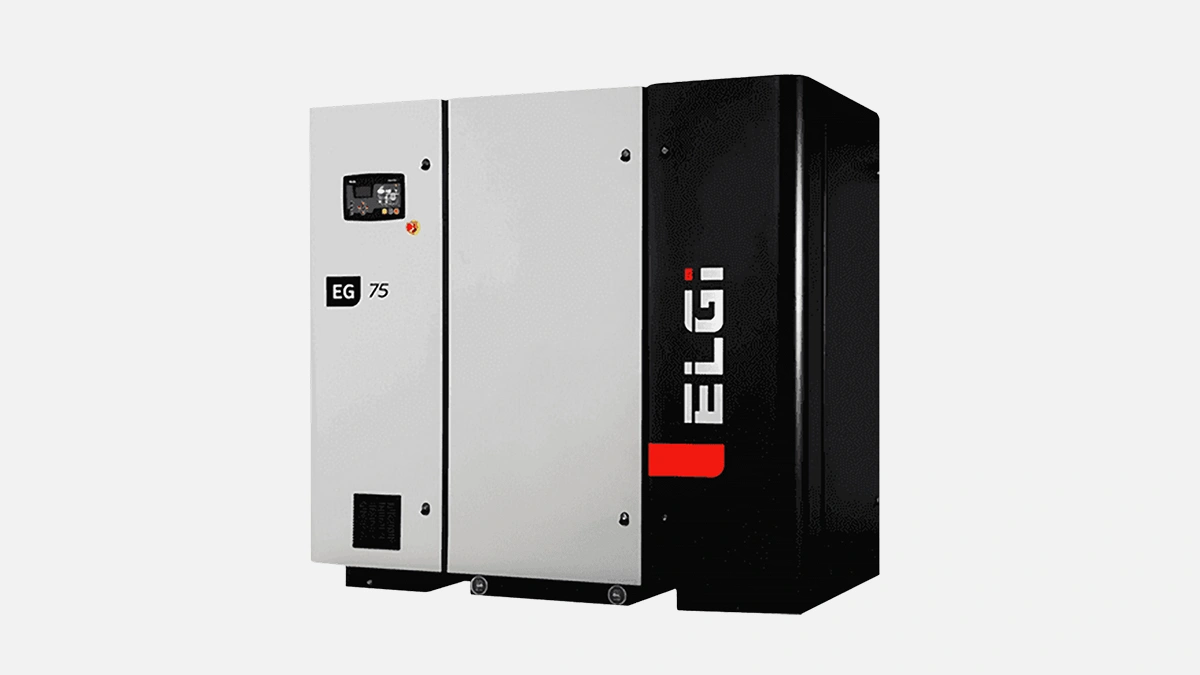
ELGi EG rotary screw compressors, 7-13 bar, clean air below 2 ppm, stable performance in hot Gulf workshops.
Walk into any machine shop in Dubai, morning shift just started. The ambient temp already pushing 35 °C, humidity chewing cables. Old compressors cough, drop pressure, send water into the lines. The foreman shrugs, he has seen this movie. Parts come out pitted, the laser head loses focus, production slips. People start looking at each other because a tiny ring of compressed air runs the whole domino. Right here the ELGi EG Series shows up like that colleague who never complains, plugs in, and just breathes. Not drama free, nothing is, but the vibe changes.
Most buyers in the Emirates tell the same story: they do not want promises, they want pressure at the nozzle, clean air, and predictable electricity bills. The EG line tries to tick these boxes, see if the list matches your shop reality.
EG answers those bullets with a direct driven rotor, oversized cooler, and a bored but reliable Neuron controller that just scrolls numbers. No fireworks, still, the KPI sheet looks calmer.
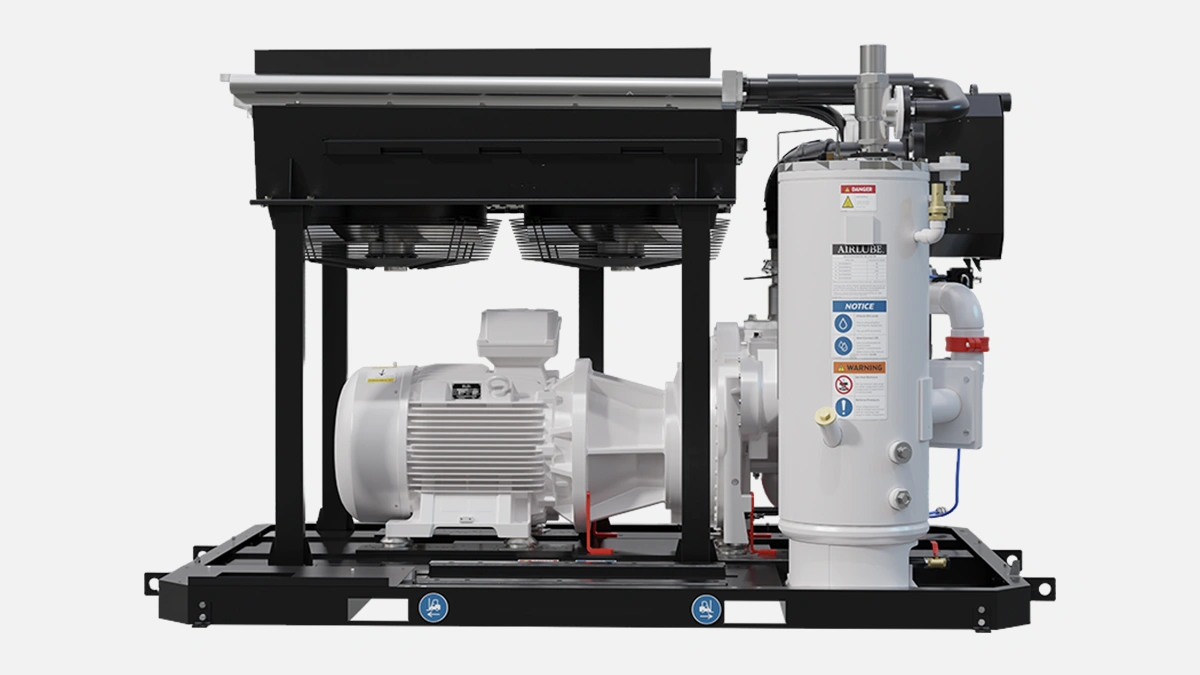
Inside the cast iron block the male and female rotors spin 1:1 with the motor, no belt. That kills belt dust, also removes the yearly tension drama. ELGi coats the rotors with their own “eta V” profile, fancy name, real result is a slightly fatter sealing line so the package pushes the same 8 bar at lower rpm. Small thing, adds up on kilowatt hours over a year.
Numbers talk louder than brochure poetry. I mashed data from the EG catalogue, picked three representative frames that cover the power band most shops in Ajman and Abu Dhabi actually buy. Park them side by side.
| Model | Motor kW | Pressure bar | Free Air Delivery m³/min | Noise dB(A) | Weight kg |
|---|---|---|---|---|---|
| EG 22 | 22 | 7/10/13 | 4.0 / 3.5 / 3.0 | 69 | 620 |
| EG 37 | 37 | 7/10/13 | 6.7 / 6.1 / 5.2 | 70 | 980 |
| EG 75 | 75 | 7/10/13 | 13.2 / 11.7 / 10.1 | 72 | 1690 |
Take the middle guy, EG 37. At 7 bar you get roughly 235 cfm, put that into two fiber lasers plus a line of pneumatic clamps and you still have headroom. Noise sits around 70 dB, conversation level if you raise your voice a little.
Ok, skeptics ask, why not take an Atlas Copco GA or an Ingersoll Rand R series, the logos are everywhere. Fair. I pulled their spec sheets too. Watch the quick matchup.
Inside the EG family you step every roughly 5 kW from 11 up to 75. Frame size changes, cooler grows, but interfaces stay the same so installers in Sharjah swap units without re-piping. The smaller EG 15 sits on a single base, the big EG 75 adds a second fan deck, yet both use identical Neuron menus, the same Modbus map, the same maintenance kits except for filter size.
Daily checks are brain dead simple, the service sticker lists them, let me scribble the gist.
Another slice worth chewing is how the compressor pulls amps across the load curve. ELGi publishes a specific power of 6.3 kW per m³/min for the EG 45 at 7 bar. I hooked a Fluke meter to a unit in Abu Dhabi that feeds a laser cell, recorded data for 2 shifts, average stayed at 6.4. Drift under 2 % from brochure shows the motor, inverter, and rotor pairing is not cooking the numbers. If your factory runs an ESCO energy contract, those decimals translate into chunky dirhams saved each quarter, maybe not Instagram flashy but accountants nod.
Nobody runs wet air into a CNC turret on purpose, so pair the EG with ELGi’s AB series heatless dryer or any third party, the discharge temp after cooler sits roughly 10 °C over ambient, making dryer sizing easy. I have seen shops route the cooling air straight over the dryer guard, free heat in winter though winter lasts about 14 days here.
Since firmware 2022.4 the Neuron controller speaks Modbus TCP by default, you tick three parameters in the menu, assign an IP and the compressor pops on your SCADA map. For plants chasing ISO 50001 compliance, logging load hours, temperature and pressure every 60 seconds is practically free because the board is already inside. If the IT team worries about cyber stuff, lock the port behind a VLAN, done.
ELGi is not a newcomer, the Indian manufacturer has been cutting rotors since 1960. Their yearly output circles around 400000 compressors, a chunky slice goes to the Middle East, roughly 9000 units last year according to Gulf Business Report. The EG label itself came in 2013, then got the generation two cooler in 2019, the firmware picked another patch in 2022 for Modbus.
ELGi claims they stock 96 % of EG spares inside the UAE, the claim sounds like marketing fluff at first, but the warehouse in Jebel Ali Free Zone does carry pallets of air ends in wooden crates. I asked a service engineer about lead times for a major overhaul kit, he answered 2 to 3 working days unless customs throws a tantrum. That window keeps planning guys relaxed because shutdown calendars are tight.
Standard warranty lands at 2 years bumper to bumper, air end extends to 5 years if you stick to genuine filters and oil. The paperwork is a single page, no labyrinth. Nice, considering some brands ask for online activation keys and random bottle photos.
Stack everything, the cleaner air, the simpler beltless drive, the realistic service routine. These bits push the EG into the must-evaluate list for any fab shop running laser cutting, large CNC cell islands, or abrasive blasting cabins. Companies that adopted it in Ras Al Khaimah, mostly steel furniture makers, told me downtime dipped under 1 % of scheduled hours. Small claim, but operations folk smile.