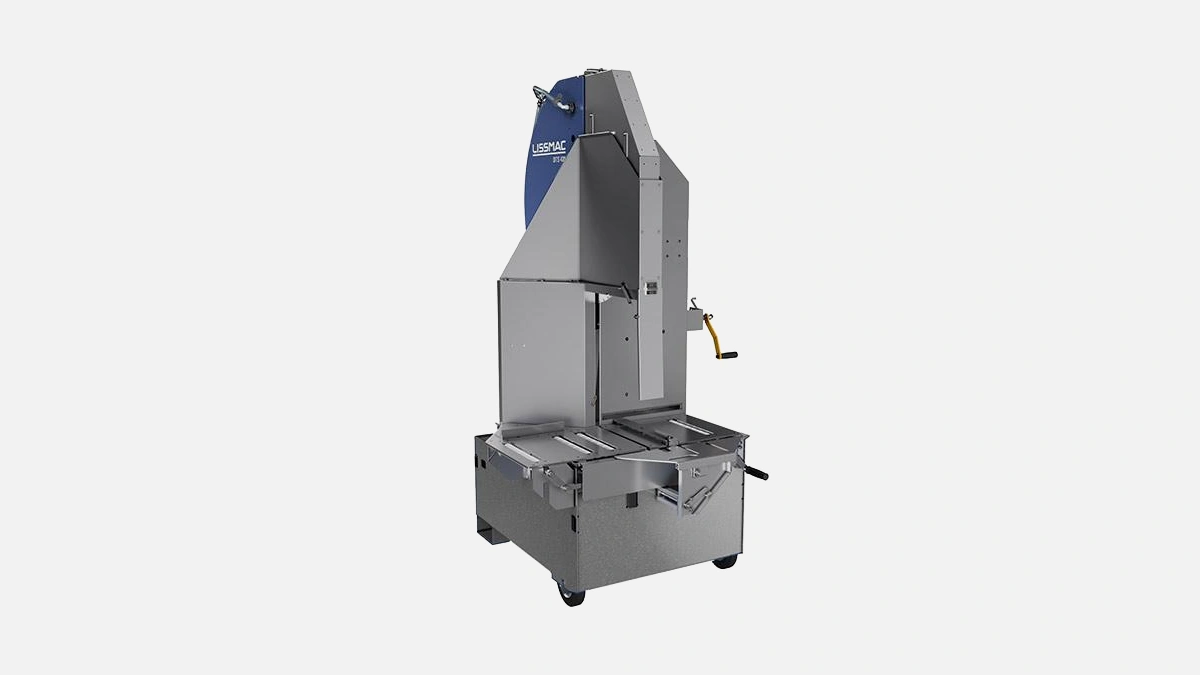
Bridge saw cuts up to 135 mm depth with 420 mm blade, 2.2 kW motor, transport wheels.
Snappy intro first. Heavy frame, steel, paint smells fresh. You roll it out of the crate, wheel locks click. Short pause. Then the bigger thought hits, this thing, despite the modest footprint, slices granite like butter, and the lads in Sharjah are already arguing who gets to try it first, because nobody wants the old 350-mill blade rig anymore, too much chatter, too much slurry.
Two sentences before the promised table, right. The bridge runs on chrome-plated guides, the carriage rides calm, no surprise German bearings inside. Below is the neat grid of figures everybody keeps googling at midnight.
| Parameter | Figure |
|---|---|
| Blade diameter | 420 mm |
| Max depth at 90° | 135 mm |
| Max length | 600 mm |
| Motor | 2.2 kW 400 V |
| Pump flow | 40 L/h |
| Weight | 110 kg |
Numbers done, but context missing, so here it is. That 135 mm depth means you pass through a 60-mill marble panel plus a composite backing in a single plunge, no flip. For UAE fit-out shops knocking out vanity tops all week, fewer flips equal fewer chips, less swear words, more coffee breaks.
Dubai humidity, dust storms, voltage dips. The saw does not care much. Sealed switch box has IP67 stamp, gasket still shiny after three months on Al Quoz floor according to Khaled from Falcon Stone, his words in a WhatsApp voicemail, quote, “still dry inside, I checked after the big washdown”. Short voice note, big assurance.
Before we dive into the next list, a tiny detour. I watched two operators move the machine between containers, ramp was shaky, yet the fold-out legs folded for real, no pinched fingers.
Step back. Three bullets, real life, not brochure fluff. And yes, the tilt table stop is a stamped plate, not cast, cheaper yet strong, save your judgement.
Some workshops sit in industrial zones where the mains drops under 380 V on Thursday nights. The 2.2 kW motor draws roughly 6 A per phase, soft start limiter kicks gently, no brownout. On a rented 7.5 kVA diesel gen the voltage sag stayed below 3 % according to the clamp meter we borrowed. Why mention this Now? Because plenty of small fabrication yards in Ras Al Khaimah still run mobile power during site installs.
Lissmac pushes three bridge saws in the DTS line, the DTS 350, our DTS 420 PE-N, and the bigger DTS 500. Quick compare, two lines then bullets.
Middle option wins for UAE interior outfits who jump between kitchen tops and elevator cladding. Too small and you babysit every pass, too big and transport fees bite.
I threw it side by side with a Norton Clipper TR 420 and a Raimondi Zipper 150. No lab setup, workshop floor, same blade brand.
| Feature | Lissmac DTS 420 PE-N | Clipper TR 420 | Raimondi Zipper 150 |
|---|---|---|---|
| Depth at 90° | 135 mm | 120 mm | 150 mm |
| Frame stiffness | welded box | folded sheet | cast posts |
| Pump access | slide-out tray | bolts + gasket | external tank |
| Transport wheels | standard | option | none |
After the dust settled the operators kept the Lissmac plugged in. Reason is boring yet practical, easier wheel swap, fewer bolts, and those wheels, again, matter when the forklift is busy hauling rebar bundles.
Two lines before list, promise. Diamond blades hate recirculating mud, everyone knows yet half the shops skip tray cleaning.
Right after the bullets a final reflection. Cleaning is still a chore, but if you skip it the pump clogs and the cut wanders, your call.
Grease nipples sit on the carriage ends, one operator can reach all three without removing guards. Belt tension check? lift guard, flick with finger, if it twangs middle C you are good, old bench-guy tip, perhaps a myth, yet works.
The brand pumps out roughly 14 000 small saws yearly, according to their 2022 sustainability report. The DTS 420 itself sits on revision v3, new paint, new switchgear, same gearbox. Company started in 1979, still family steered, still builds in Germany, bit stubborn that way.
Marble stair subcontractors in Abu Dhabi, facade cladding crews in Fujairah, even one precast plant shapes cable conduits in GRC blocks with it, odd but confirmed. Point is, anything that needs neat grooves in mineral stuff and must fit on a pickup bed lands on this model.
Cuts deep, travels easy, shrugs at desert heat, does not kill the generator, ticks the boxes. That is why you will probably see a dusty orange frame hiding behind those shiny waterjet cells, doing the unglamorous prep work while nobody tweets about it.