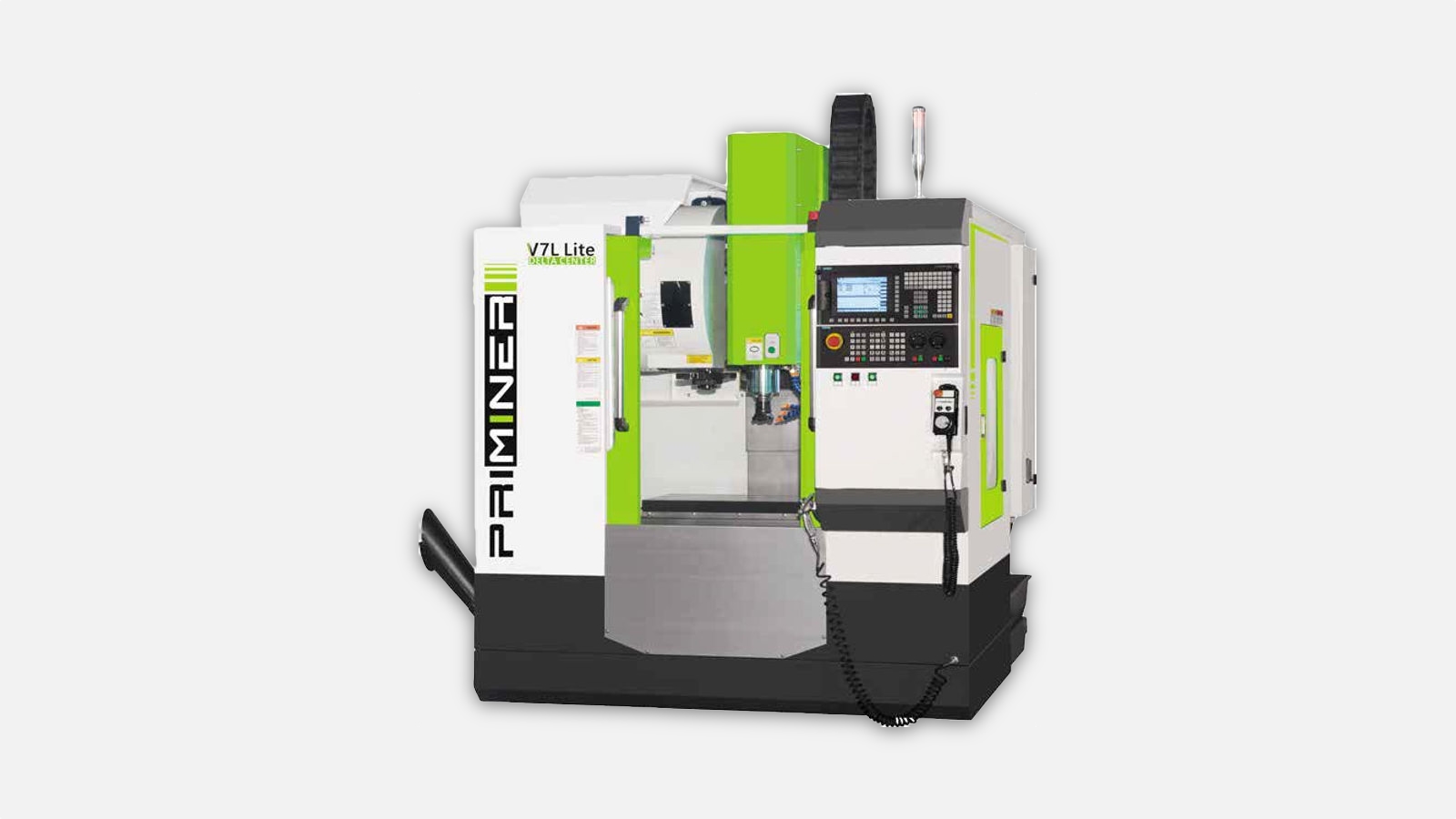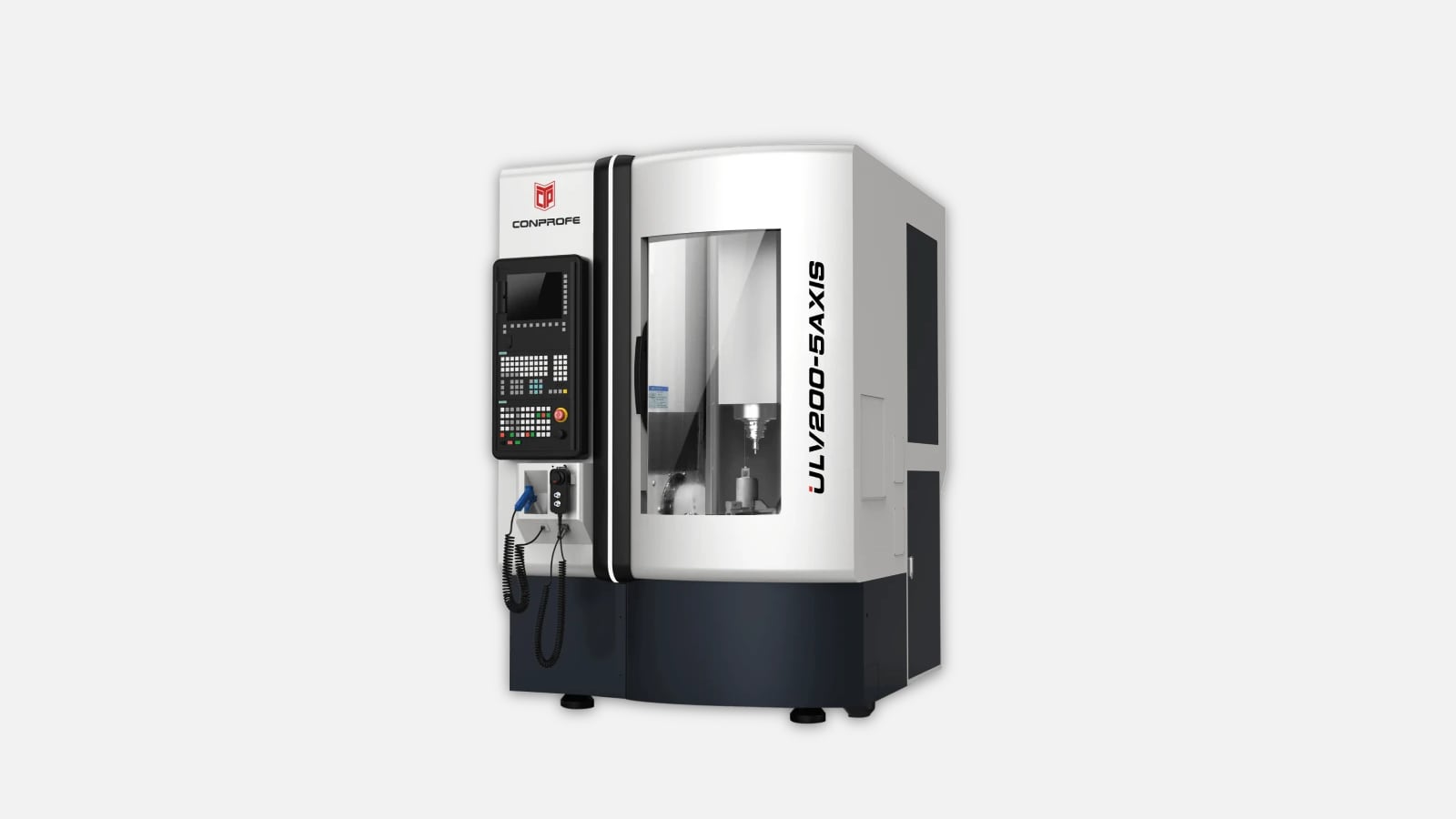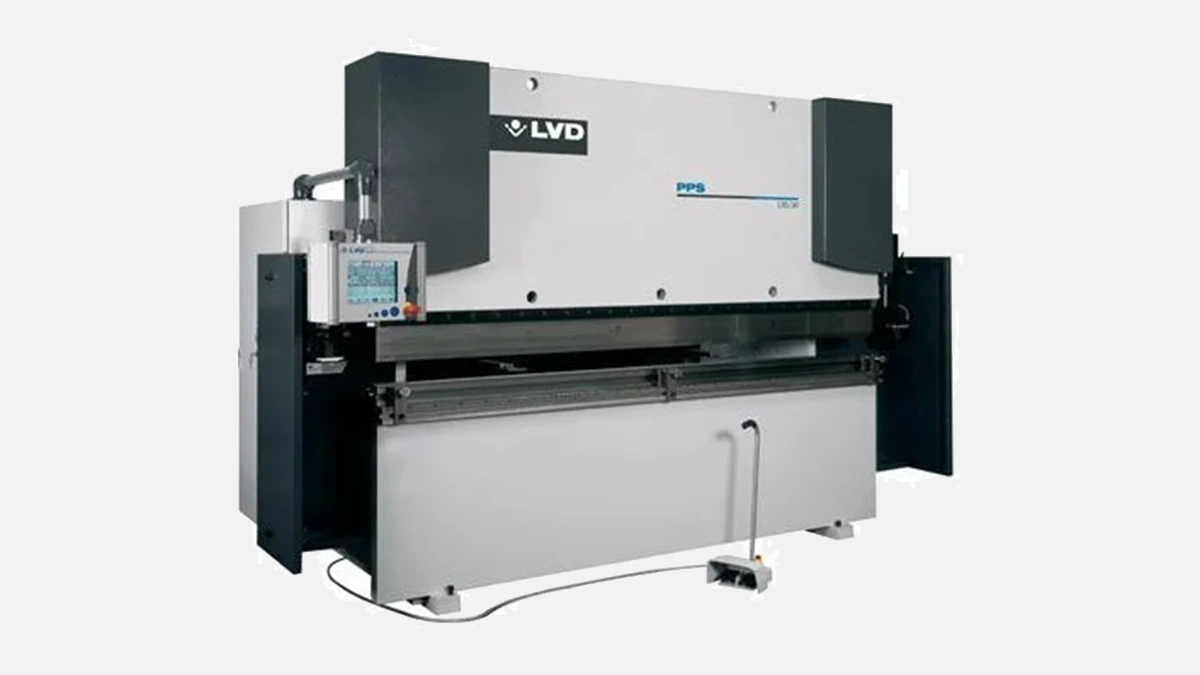
LVD PPEB press brake, 170 t × 3.1 m, laser angle control, built for hot Gulf shops.
Short, sharp, here it is, the headline thing everybody actually cares about, the LVD – PPEB. Heavy plate bends, thin sheet whispers, the machine does not blink. I watched one chewing through 6 mm stainless like it was warm butter, operator barely touched the Touch-B screen, coffee still steaming. Then, almost boringly, it hit 0.01 mm repeatability again, and again, and again. Okay, enough gushing, let’s dig.
LVD has been on the scene since 1952, Belgium roots, roughly 35 000 machines shipped worldwide according to their last public annual report. Press brakes? About a dozen active series, PPEB sits in that comfortable middle zone, above the entry-level Easy-Form and below the mammoth Synchro-Form lines. There have been four major PPEB iterations since the 90s, each new control adding more axes freedom, the current generation arrived in 2021 with upgraded hydraulics and that brighter capacitive screen.
I promised numbers, you get numbers, but first a small detour. People in Sharjah keep asking why the throat is only 410 mm when they bend long U-profiles. Answer, the crowning system inside eats space, you trade some daylight for rock solid angle control. Worth it? Most say yes, some still grumble.
| Parameter | Value |
|---|---|
| Force | 170 t (standard machine) |
| Working length | 3.1 m |
| Stroke | 265 mm |
| Daylight | 520 mm |
| Speed, fast approach | 200 mm/s |
| Speed, working | 10 mm/s |
| Power pack | 15 kW motor |
| Oil volume | 250 l |
| Control | LVD Touch-B 15″ |
That table looks dry, fine, keep it handy when production asks for facts.
Touch-B, right, the glass panel that scares old-school operators because no physical buttons. Gesture swipe, pinch zoom on the bend line, feels phone-like. Good news, the software hides a conservative mode, switch it on, you get a classic list view, arrow keys appear on screen. I saw a 58-year-old foreman pick it up in half a day, that tells something.
Two sentences before a list, yes, I remember the rule. So, what daily tasks feel smoother because of this control?
I said two bullet lists minimum, here comes the next one later, be patient.
Steel, big chunks of it, welded then stress relieved, you see the heat-tint lines along the back. The cylinders sit above the ram, gravity helps oil drain, clever for hot climates, because trapped air turns into foam faster when you are at 45 °C ambient, operators in Ras Al Khaimah know. Pumps are Hoerbiger, variable displacement, meaning the motor idles when you pause, electricity meter spins slower, small but sweet win.
People keep lining up three brands on Excel, here’s my unscientific side by side, no marketing fluff.
Both hold angle with lasers, fine, Xpert tops out at 320 t in that chassis, PPEB stops at 640 t if you order the longer bed, so heavy fabrication leans to LVD. Bystronic feels faster on screen refresh, yet maintenance parts in UAE take longer, speak to any service agent, they sigh.
Durma is cheaper, everyone knows, servo drive saves maybe 15 % power on thin parts, but when you slam full tonnage, the servo starts hunting and you feel the vibration. PPEB stays calm, mass matters.
Amada nails back-gauge speed, still their tooling system is proprietary, pricey in Abu Dhabi. LVD uses New Standard tooling, locally stocked, you break a punch Friday afternoon, you get a spare Monday morning, not three weeks.
PPEB 80/25, 135/30, 170/30, up to 640/61, the first number is tonnage, second is bed length decimetres. Same control, same back-gauge, the bigger frames add double foot pedals and longer stroke. If your parts rarely cross 2.5 m, grabbing the 135/30 gives better ram feedback, less deflection, the machine feels tighter. The 640/61 needs a pit, ships in two lorries, installation headache, cool though.
Travel is 700 mm, enough for complex return bends. Fingers slide on linear guides, ball screws driven by Yaskawa motors. Accuracy rated ±0.02 mm, I chased it with feeler gauges, got 0.018 mm worst case. Fine by any ISO 9001 auditor.
And yes, we just completed bullet list two, teacher would be proud.
Humidity low, dust everywhere, electricity price not dirt cheap, so we want a brake that, one, is sealed enough, two, does not gulp power when idle, three, keeps hydraulic oil under 55 °C. PPEB ticks those. LVD offers an optional heat exchanger that plugs straight into chiller water loop, Al Quoz factories love it.
Transport wise, Jebel Ali sees weekly Ro-Ro from Antwerp, machine lead time roughly 10-12 weeks, shorter than most European brands post-pandemic. Paperwork? CE mark plus Emirates Conformity, LVD already did it for previous batches, you only redo stage two if you add laser guards.
First 500 h, change filter, retorque frame bolts. At 2 000 h, calibrate pressure transducer, bleed cylinders. The pump seals survive 12 000 h in mild climates, Dubai heat drops that to 9 000 h, fact of life. Spare seal kit costs about what you spend on diesel for a week of generator backup, not scary.
Angle brackets for solar farm frames, 3 mm Alu 5052, one hit, no springback drama. Elevator cabin panels, 1.2 mm 304, wide radius tool, ram crowns by itself, no shim paper. For heavier jobs, think 10 mm mild steel gussets, PPEB still keeps angle within ±0.3° across the full 3 m.
Cooling fan intake sits low, sucks chips if you plasma cut nearby, keep the brake upstream of airflow. The control boots in about 48 s, feels long when a breaker trips. Foot pedal cable could be longer, you end up buying an extension anyway.
You want a press brake that behaves predictably even when the mercury climbs, eats varied material gauges without fiddly setup, and gets serviced by people who actually pick up the phone. PPEB is the one many Dubai and Abu Dhabi workshops quietly settle on, not because of some flashy buzzwords, but because the machine turns steel into invoices day after day.
The machine gives precise angle control, quick program changes, and friendly spare part logistics, that trio matches the needs of UAE fabricators juggling short lead times.