Servo electric panel bender 320 kN, 2.7 m length, low energy for Gulf workshops
FBe, sounds almost like FB from your phone feed, right, only here you are folding metal sheets instead of doom-scrolling. Short, sharp, thrill. Then, boom, long sentence where my coffee-powered brain jumps back fifteen years to the first time I saw an electric press brake screaming through thin gauge stainless at a trade fair in Milan the smell of coolant mixed with burnt pizza dough still somewhere in the air and the demonstrator yelling above the servo whine that hydraulics are over. Maybe they are, maybe not, yet the Fast Bend line did stick.
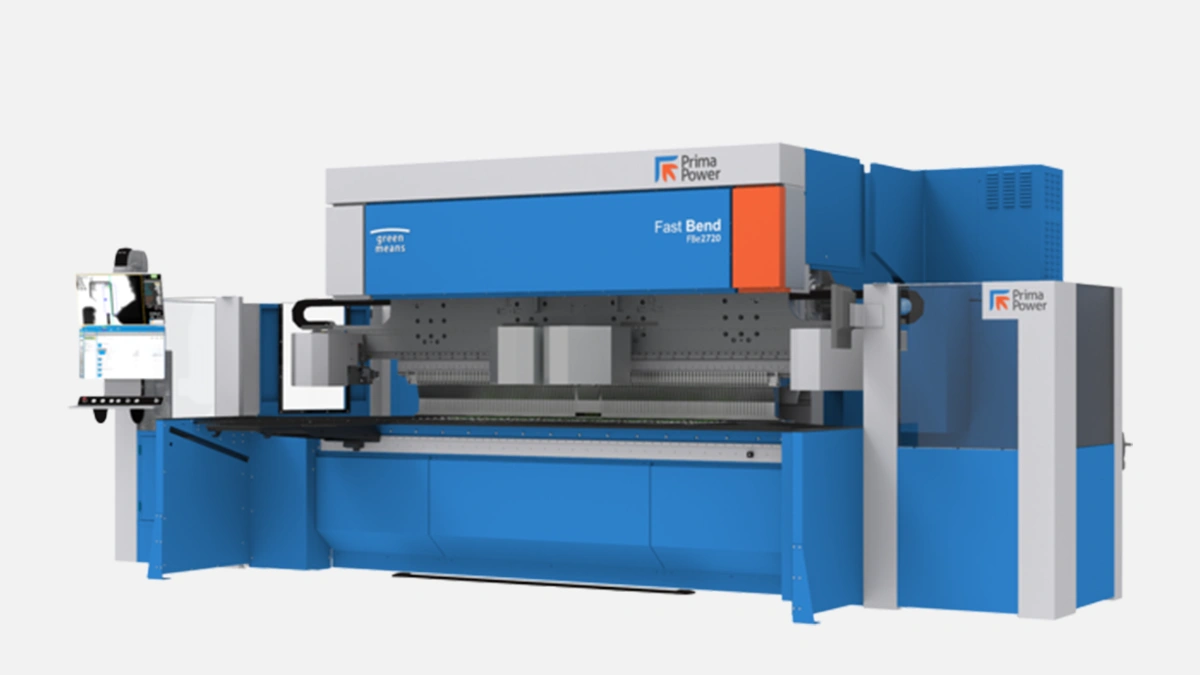
Prima Power has been building sheet-metal machines for more than 40 years, roughly 12 000 units shipped globally, five of them that I personally know are sweating in Sharjah and Abu Dhabi. The FBe itself exists in three main sizes now, the 1510, the 2040, and the big 2720 that Emirati job shops love because they often run large architectural cladding panels. Version three brings updated servo packs, faster Tulus UI, plus a wider opening so operators no longer pray every time a deep box goes in.
Hot climate, costly kWh, tight delivery windows. An electric ram that sips 5 kilowatts on average beats a hydraulic machine drinking 20. Less heat dumped inside the hall means the AC units can finally breathe. Also, oil leaks on bright white aluminum composite panels that end up on Sheikh Zayed Road facades, no thanks.
Before drilling deeper, two quick bullets to anchor what matters to a plant manager who has to justify yet another capex slide:
Power bill drops, service intervals stretch to 10 000 bends because there is no oil filter to clog.
Programmers push CAM data over Ethernet straight into Tulus, the operator only scans a barcode, done.
Now, exhale, table time.
| Feature | FBe 1510 | FBe 2040 | FBe 2720 | Comment |
|---|---|---|---|---|
| Max length | 1550 mm | 2040 mm | 2720 mm | pick what fits your panel |
| Nominal tonnage | 120 kN | 220 kN | 320 kN | servo stack scales up |
| Open height | 435 mm | 485 mm | 515 mm | deep boxes friendly |
| Cycle per hour | 250 | 220 | 190 | length costs speed |
| Installed kW | 15 | 20 | 25 | still low heat load |
Notice the speed drop on the largest model, yet for cladding and air-con ducts that run thin gauge aluminium, one operator can hardly keep pace anyway.
I promised no textbook, still, a tiny detour. Each axis packs a ball-screw pushed by a Yaskawa servo, encoder sits at the motor, not at the screw, so backlash creep is compensated in software. People moan about screw wear in sand-laden Gulf air. True, silica dust is evil, but the bellows and positive air pressure kits that Prima ships lately do keep particles out as long as you remember to switch the compressor dryer on.
A small fab in Al Quoz runs stainless kitchen tops. Daily sheet count, they claim, jumped from 70 on a classic 80-ton hydraulic to 110 on the FBe 2040. I asked if they changed shift size. No, same two guys, only less time spent adjusting crowning and wiping hydraulic sweat off parts. Of course, thick plate still goes to the old press brake because 320 kN will cry on 5 mm black steel. Horses for courses.
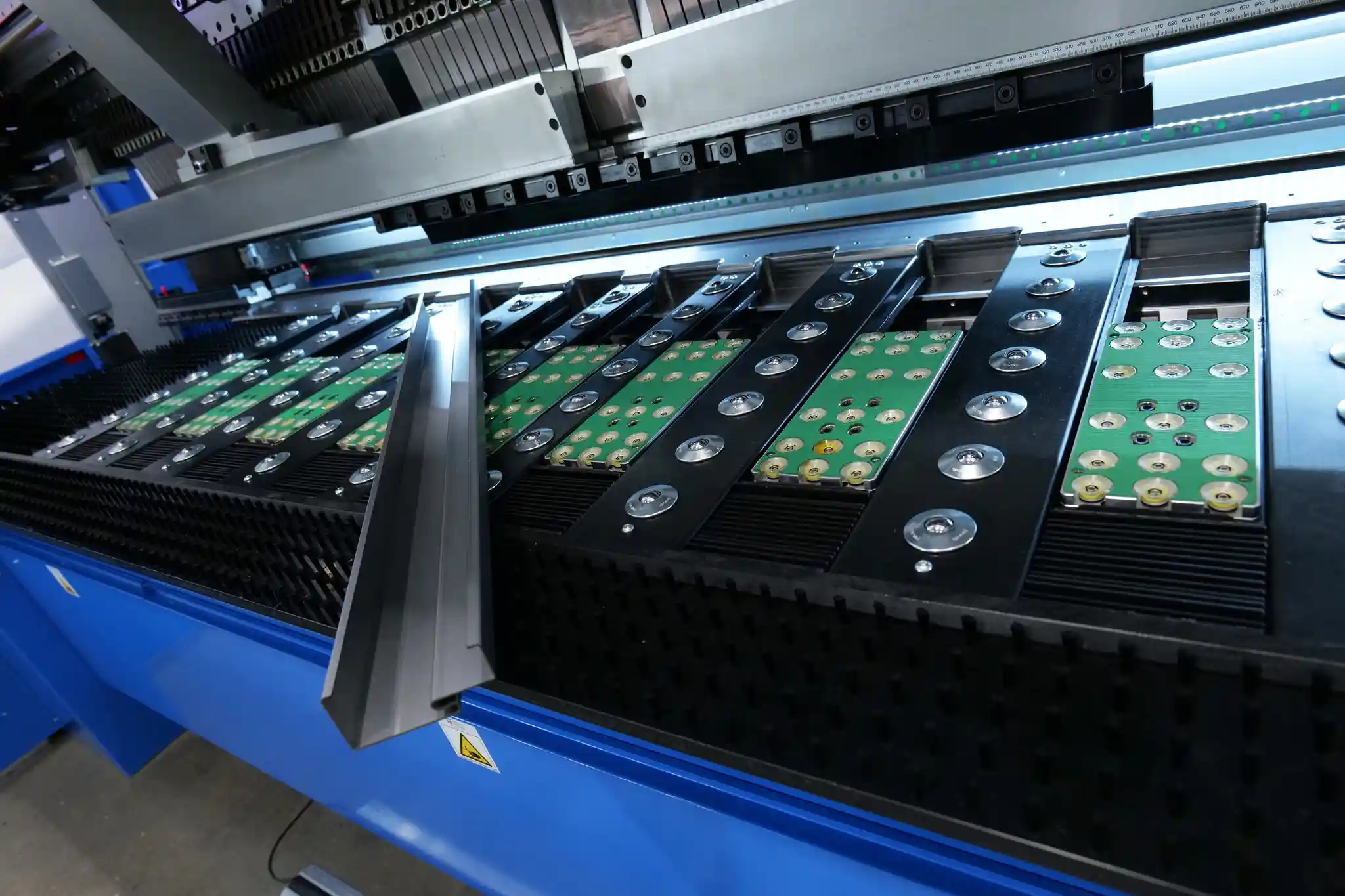
The Fast Bend uses segmented V knives with automatic mechanical locking. Single tool swap is under 10 seconds if the segment magazine is pre-loaded. For mixed batches, the optional full AutoTool station rotates a carousel so operators never touch a wrench. Extra 35 grand? I will not mention price, oath taken, yet if you feed a laser that spews 2000 parts per shift, the ROI math is easy.
Two notes many brochures hide:
Long offset flanges above 135 mm need the high-stroke kit, else you scratch the return side.
Titanium nitride coated knives last longer on mirror SS, unless you polish after bend anyway.
Hydraulic oil change zero because there is no oil. Grease nipples appear every 500 000 ram strokes, that is roughly six months for a busy HVAC shop. Firmware updates come on USB, half the techs I know ignore them until a fault pops. Do the update, the axis tuning tables improve.
Trumpf TruBend 5170 goes heavier, 1700 kN, sure, but gulps 29 kW continuous and its hydraulic pump noise can wake neighbors. Amada HRB 2204 sneaks closer, 220 kN servo hybrid, still hides a small oil circuit. Salvagnini P4 panel bender wins on fully automatic blank handling, yet price and footprint explode. In that triangle the Prima Power FBe sits as the sober middle child, electric, compact, still manual handling which suits many Gulf SMEs with limited floor and no time to babysit robots.
Tulus interface looks dated next to an iPhone, yet operators pick it up in one afternoon because screens mimic the bend sequence chart they already draw on cardboard. Ethernet or Wi-Fi, both OK, plus OPC UA tag export so your ERP in Dubai Marina can sniff real-time cycle counts. Not bad.
List of software touches I enjoy, quick and dirty:
– Interactive collision check highlights only the hit segment, not the whole part, easier on the eyes.
– Batch queue displays remaining time in bright magenta, so supervisors spot lagging jobs from across the hall.
– Remote support over VPN, Prima’s Milan team connects inside 3 minutes on average, says a friend at JAFZA.
DEWA tariffs creep up every quarter, feels like it anyway, so the math around kilowatt hours suddenly got sexy. Electric drives recover energy on the upstroke, you see the amp meter dip. Also, you skip hydraulic oil disposal that used to require paperwork from Dubai Municipality. Small win, still a win.
I will not sweep dust under the carpet. Some owners moan about the noise pitch, a sort of high-frequency whirr unlike the low hum of hydraulics. Wear earplugs, problem solved. Another gripe, the backgauge fingers are aluminium, operators occasionally dent them when slamming a heavy mild steel blank. They cost money to replace.
No machine is a magic wand. Yet an all-electric bender that punches out 200 plus parts per hour without oil drips fits the Gulf climate and energy math. If your mix stays under 3 mm and up to 2720 mm long, FBe Fast Bend deserves a seat in your capex meeting.