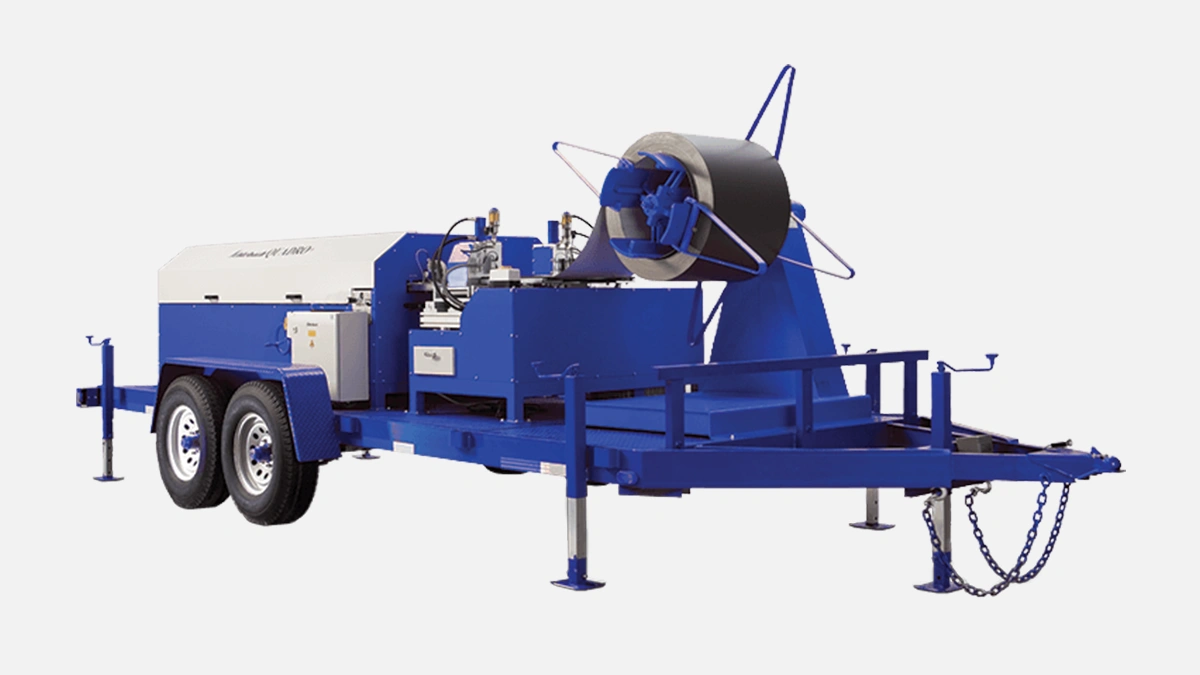
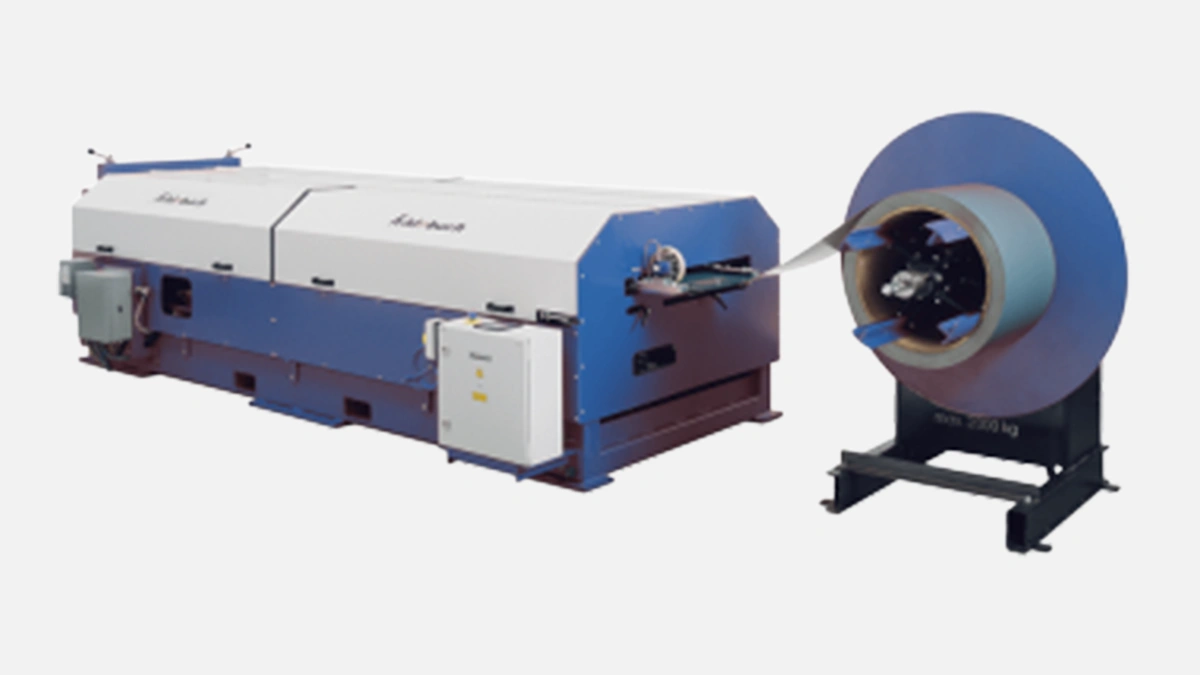
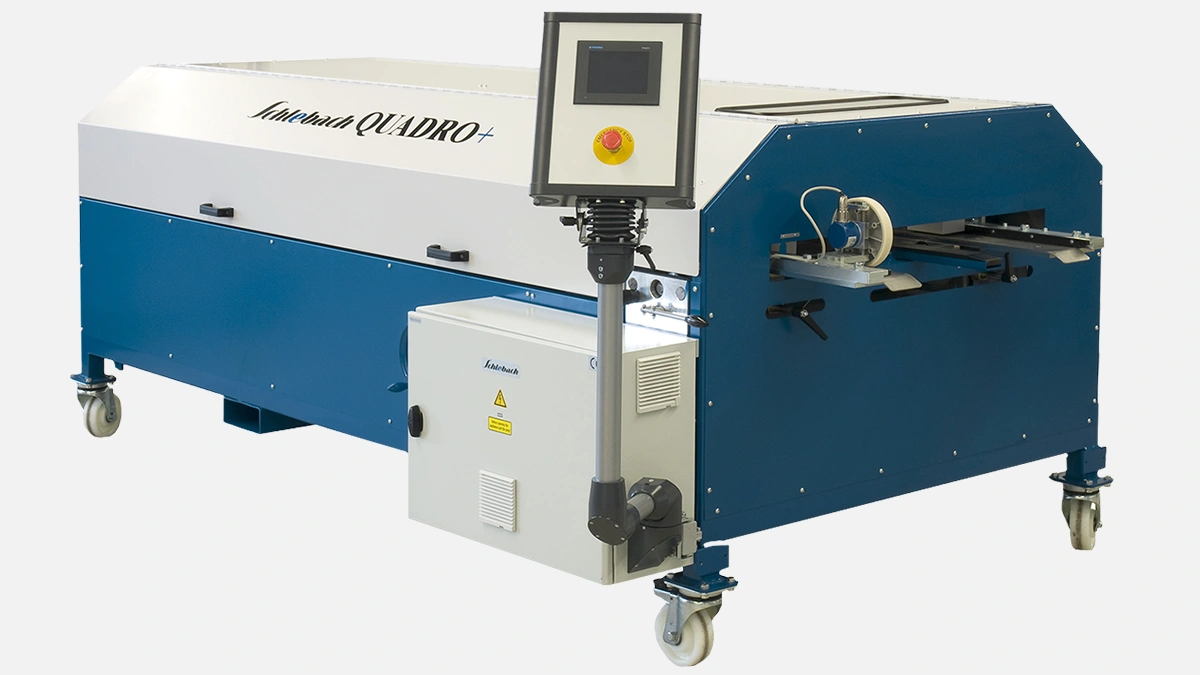
Portable 9-station rollformer, 14 m/min, cassette change <5 min, 0.6 mm steel.
Fast sentence, no fluff. The Quadro PLUS moves, bends, stamps, and keeps on going. Then, out of nowhere, you realise it has been doing that on job sites from Stuttgart to Sharjah for almost 25 years and the support guys in Germany joke that it is the ‘Swiss army knife with a power cord’. Fine, jokes aside, a proper look is due.
Schlebach sits in the village of Friedewald, has roughly 140 employees, pushes out about 900 profile machines per year. The Quadro line itself started back in 1999, got three major revisions, the current PLUS tag appeared after the drive upgrade in 2016. End of history lesson, let us dive into the metal.
Before any bragging, here is a compact fact check.
| Parameter | Figure |
|---|---|
| Drive power | 2.2 kW gear motor |
| Max speed | 14 m/min steady |
| Stations | 9 rows of rolls |
| Steel gauge | up to 0.6 mm |
| Aluminium, copper, zinc | up to 0.8 mm |
| Strip width | 380-655 mm |
| Swap time for cassettes | under 5 minutes |
| Net weight | 820 kg |
A table looks boring, right. Yet it helps the foreman who only wants numbers, so we placed it here. Now, back to normal speech.
Those values are not brochure fantasy, they came from the actual data plate on a unit delivered to Abu Dhabi last winter and cross-checked against the English manual v3.4. A local roofer measured the speed with a laser tach, got 13.7 m/min, close enough.
You roll the thing off the trailer, plug 400 V into the 5-pin, swing the decoiler around, feed the coil, press the green mushroom and that is it. No software login, no PLC drama. The clutch kicks in softly, panels slide out smooth, edges crisp, the noise level surprisingly tame. One operator can keep up, two will drink tea between pulls.
Key field notes before you forget:
This little list barely covers the ritual, yet it hints why crews like the machine, and yes, they haul it up cargo lifts in Dubai Marina towers, because the wheelbase is only 800 mm wide.
Humidity, sand, sudden dust storms, you name it. Bearings sealed, shafts chrome plated, gear housing rated IP54, nothing fancy but enough to resist the fine desert powder that eats cheaper rollformers alive. Add the fact that most contractors jump between projects in Abu Dhabi, Saudi and Oman, so packing something under 1000 kg weight is a win. The Quadro PLUS scores on logistics more than on sheer speed, but that is exactly what field roofing in the region demands.
The marketing boys say ‘modular’. Forget the buzzword. Reality: a 22 kg cassette slides out on two dowels, you lift, drop the next, tighten one M12 bolt, done. Profiles available off the shelf include:
A second batch exists for European rebates, but those rarely ship here. The catch, cassettes cost as much as a small sedan. Contractors still pay, because switching from seam to snap-lock on the same job saves crane hours, and crane hours kill margins.
Follow-up bullet list, different angle, more on service quirks:
Again, not a glamorous manifesto, yet these three bullets stop downtime stories before they start.
People love to name drop. Fine, bring them on. The American NewTech SSQ II pumps 18 m/min, yes faster, but weighs 1360 kg and needs a forklift. ESE K9 is lighter at 610 kg, yet its cassette switch still eats 20 minutes, ask any user forum. Jorns MaxiLine offers CNC length cutting, cool, until you realise it costs the price of three Quadros and a year of lead time.
So where does the Quadro PLUS sit, bluntly: middle speed, middle price, high mobility. In Gulf math that balance often beats extremes, because bidding wars demand versatility more than raw output.
Schlebach keeps three siblings
The PLUS took the gearbox and chassis from Compact, the drive from XL, feels like a hybrid child, still it shines by sitting on standard 2.6 m pallet length so shippers bill it as regular cargo, not oversized. That one logistic tweak alone often decides procurement budget inside local companies.
You may want to bolt it to the slab for long runs. If so, four M16 anchors go through pre drilled feet, no need to remove wheels. Grounding lug provided, attach 35 mm² copper strap, inspectors in Dubai Municipality love that detail.
Noise measured at operator ear, 71 dB(A), comfy, though the manual states 75. Likely our fresh rolls cut chatter. Temperature spec reads up to 45 °C, field test in Ras Al Khaimah hit 48 °C, inverter derated by 5 %, still ran. Fans inside cabinet blow straight, keep them clean.
A standard villa roof in Sharjah uses about 1.8 km of standing seam. At 14 m/min net, one shift covers it with margin. Crew wages plus coil cost dominate the budget, not machine depreciation. So buying higher speed seldom pays back. What pays is adaptability, and the Quadro PLUS gives that by cassette trick.
| Item | Number |
|---|---|
| Panels per hour | 80 at 3 m average length |
| Power draw | 3.5 kW peak from genset |
| Payback | 11 months on 150 villa jobs/year |
Take those figures with a grain of desert salt, still they mirror what three contractors shared during a tooling workshop in Dubai Industrial City.
Manual lists 12 pages, but users mostly focus on two tasks: keep rolls clean, change oil in the gearbox every 2000 hours. The oil, ISO VG 150, sits in a 0.9 L sump, costs pocket change. No PLC batteries to die, no license dongles. A genuine belt set from Schlebach comes in DHL bag, reaches Dubai in four days, job done.
The Quadro PLUS does not try to be the fastest nor the cheapest, it just does the job without drama. For the Gulf region, where transport weight, power fluctuation and heat break lesser machines, that mix turns into real money saved. Maybe that is why medium roofers like Al Thuraya Metal or smaller fit-out crews keep ordering it, though they could go fancier. Reliability over flash, classic story.
And that, my friend, is often enough to sign the purchase order.