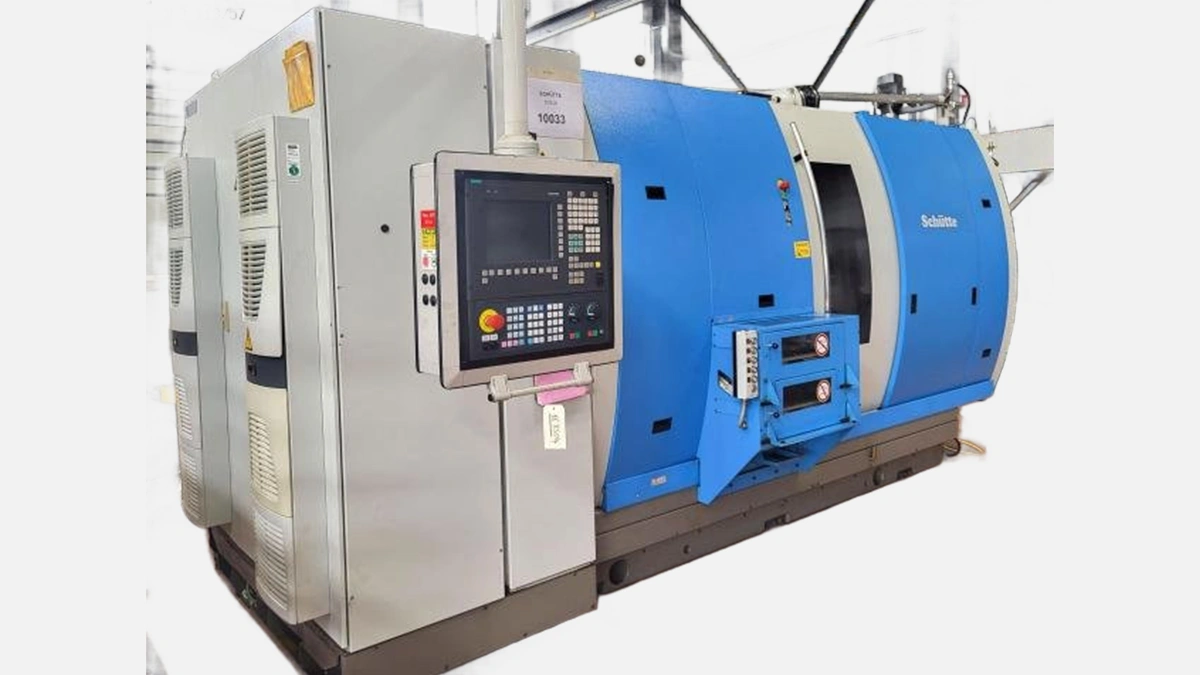
Nine-spindle SC9-26 eats 26 mm bar, 0.7 s index, perfect for UAE high-volume turning.
Feels like a note in the margin. Then, suddenly, a long winding reflection floods in, explaining why a multi-spindle lathe still matters today when everybody around keeps mumbling about single-spindle CNC turning centers, as if another axis alone could magically solve every bottleneck.
Schütte has been cutting metal since 1880, roughly, give or take a couple of mergers. The catalog lists more than 40 active machine models, of which the SC series covers the small-to-medium bar segment. Users on practical machinist boards keep repeating the same line: “German iron, but not the diva you expect, it just goes to work.” The SC9-26 has seen 3 revisions in the last decade, mostly electronics and the oil system.
Two lines of context first. Some readers like numbers spelled out, others skim. A compact table makes both camps happy.
| Item | Value |
|---|---|
| Spindles | 9 |
| Max bar | 26 mm |
| Peak rpm | 8000 |
| Index time | 0.7 s |
| Motor power | 15 kW |
| Coolant | 20 bar |
| Footprint | 4.5 × 2.3 m |
The figures look dry, yet behind every digit hides a shop story, for instance that 8000 rpm is rarely needed in brass but turns into a life saver on small stainless connectors for hydraulic blocks used all over Jebel Ali free zone.
No slow build-up, straight to the most asked question in UAE job shops, can it swallow 26 mm without a miracle feeder. Yes, it can, and the standard V-loading magazine handles 4.2 m bars, which means fewer top-ups during night shifts. Still, a thick hex bar over 22 mm eats clearance inside station seven, so most operators switch to round in that pocket.
After a list, let words breathe. I saw one shop in Sharjah pushing 28 mm nylon through a ground guide bush, but that feels like borrowing trouble, the chip conveyor was crying.
Nine spindles roll in a drum, Geneva style, the pitch circle is larger compared to the older AS series, giving extra wrench room for long tools. Index happens through an NC servo instead of the bang-bang clutch some vintage multis rely on, so the 0.7 s is repeatable, not wishful thinking.
The base machine ships with 18 static positions. Most UAE buyers opt for the driven tool kit on stations 3, 5 and 8, adding 6 live positions, enough to mill flats on plumbing fittings without secondary ops. Live rpm tops at 6000, torque limited by a 2.2 kW auxiliary motor.
Words again. The probe is Renishaw, nothing exotic, and pays for itself once you chase tolerance on a batch of 10 000 brake nipples.
Schütte ditched the old Siemens 840D compact, now the build carries Fanuc 32i with a touchscreen front end. Whether that is good or bad turns into a bar fight at every trade show. Fanuc parts stock better in Dubai, so there. Ethernet comes ready, OPC UA broker license costs extra, but most plants still pull data by old MTConnect.
Cutting oil, not water miscible coolant, dominates in multis because it cushions the drum bearings. The SC9-26 tank holds 450 L, filters down to 25 µm via twin bag modules. Temperature drifts under 4 °C across a 12 h shift, measured near spindle three. If your AC goes lazy in August, schedule oil chillers to kick in around 38 °C ambient.
Before lists, a reminder, the machine is robust but not bulletproof. Five minutes in the morning save scrap later.
After the bullets a hint, keep a spare hydraulic seal set on site, shipping from Cologne to Abu Dhabi takes a week unless you go air freight.
Everybody keeps eyeing INDEX MS22-6 and Tornos MultiSwiss 6×26. Quick contrast, not an academic thesis.
| Feature | Schütte SC9-26 | INDEX MS22-6 | Tornos MultiSwiss 6×26 |
|---|---|---|---|
| Spindles | 9 | 6 | 6 |
| Max bar | 26 mm | 22 mm | 26 mm |
| Live tools | up to 6 | up to 12 | up to 14 |
| Index time | 0.7 s | 0.6 s | 1.4 s |
| Footprint | 4.5 m long | 5.2 m | 4.8 m |
| Net weight | 11.5 t | 13 t | 10 t |
Two sentences to nail the takeaway. The SC9-26 wins on spindle count which opens parallel processes, but INDEX steals the show on live tool horsepower. If your product needs heavy milling, study power curves, otherwise the smaller footprint of the German contender stays attractive.
Inside the SC line you meet SC7-32 and SC10-46. The middle child, SC9-26, carries the highest spindle-to-diameter ratio. SC7-32 boosts bore to 32 mm though it drops one spindle, SC10-46 grows into big hydraulic stems at the cost of extra floor space. Shops juggling medical parts love the SC9-26 sweet spot, automotive tier-twos lean toward the larger siblings because cycle time saves matter less than raw diameter.
Why do Emirati workshops sign purchase orders for this lathe
Close with words not numbers. Operators like the front door height, no yoga stretches to change an insert. Production managers quote OEE spikes after switch from single spindle cells. Accountants grin at power bills, the 15 kW main drive sips less juice than running three inline CNC lathes. Bottom line, the SC9-26 fits plants that chase medium diameter, medium complexity pieces at medium to high annual volume, pretty much the bread and butter of Gulf metal trade.
A personal note, if you finally sign off on the machine, throw in the mist collector up front, lungs will thank you, and the white shirts in the office next door will stop moaning about oily haze.