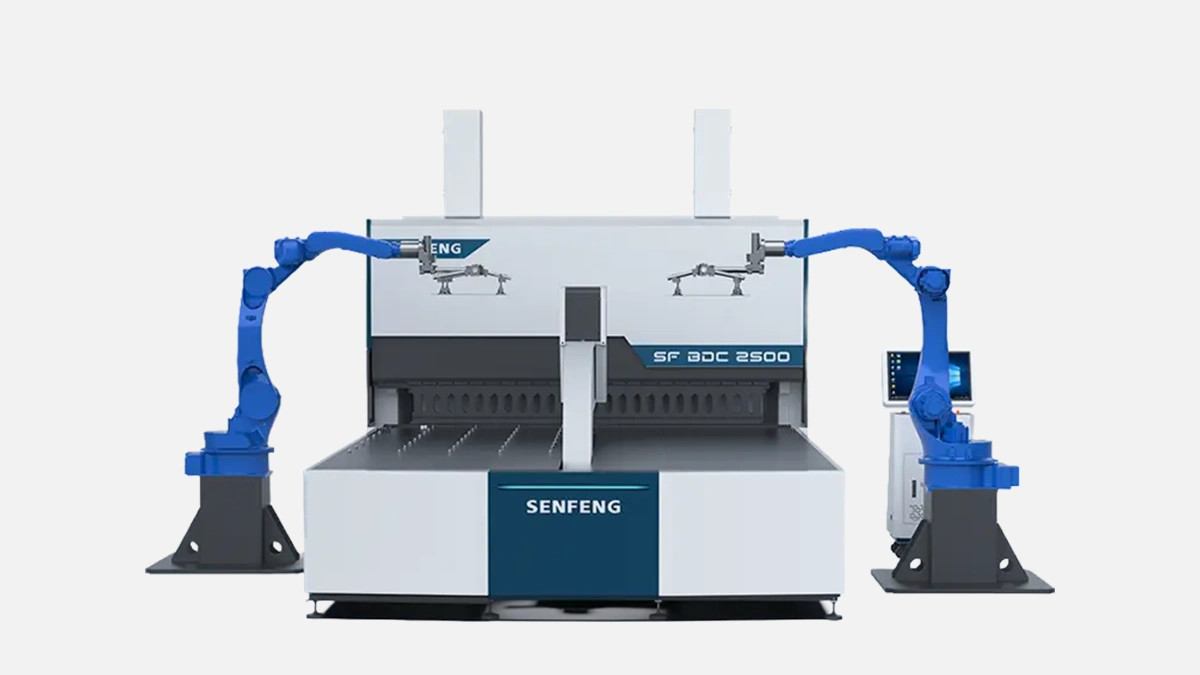
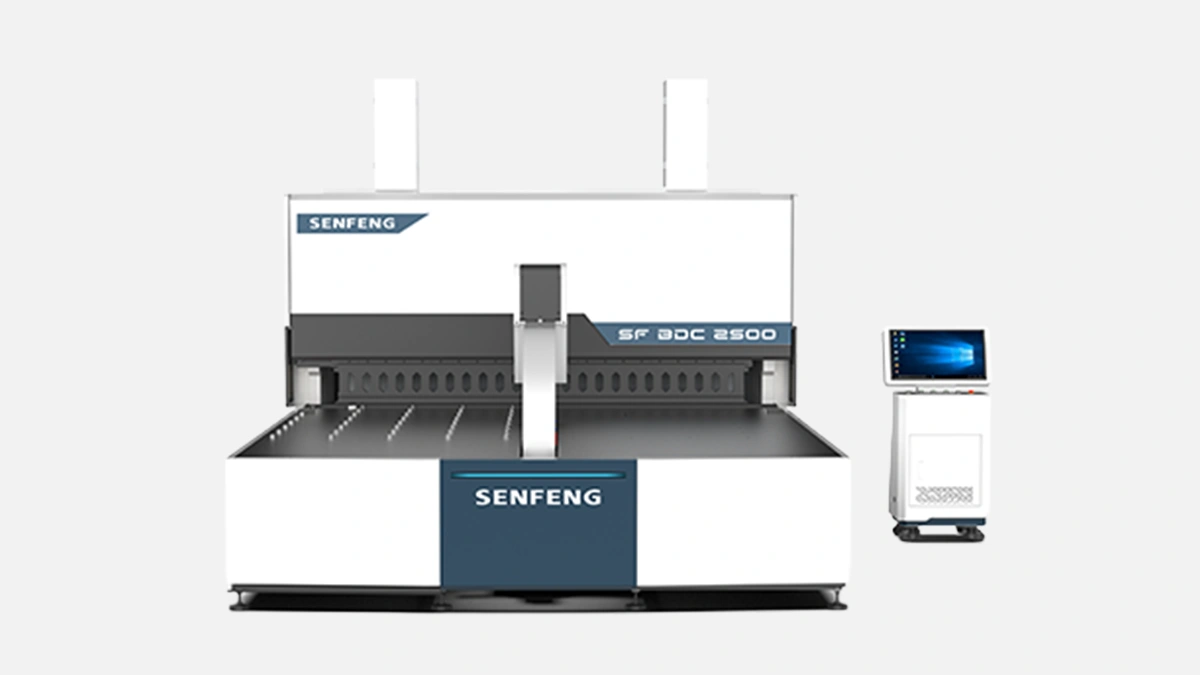
Push-down panel bender tackles 2500 mm parts fast, one operator, no tool swaps.
The blank lifts, slides, stops. You blink. It is already folded. That kind of pace gets addictive, trust me. One shift with a BDC-2500 and nobody wants to crawl back to a press brake queue.
I keep stumbling over the same words when I stand next to this thing: stable, quick, kind of elegant in an industrial way. And yes, I know, people in the Gulf care about heat, dust, voltage swing. I will touch those too, hold on.
Before the marketing fog rolls in, let me put the raw numbers on the table.
| Axis | Stroke | Repeatability |
|---|---|---|
| X (back-gauge) | 1550 mm | ±0.05 mm |
| Y (clamp feed) | 350 mm | ±0.03 mm |
| Z (tool set) | 170 mm | ±0.02 mm |
| C (rotation) | ±220° | ±0.02° |
Four lines, plenty of story. That Z stroke is why the machine can shape a 170 mm box wall without a whimper. The rotation axis spins faster than my head after the third qahwa, which is why complex lids come out in one pass.
Old-school press brakes can do the same profile, sure, but you wrestle with helpers, keep checking angles, fight rework. Here the blank sits flat, clamped along the whole edge. No crowning shims, no heel marks. For HVAC casings, electrical enclosures, decorative aluminium panels on Dubai facades, the difference is night and day.
Now, bullet time. A small digest for production managers who are late for a Teams call.
See, three lines, you already feel the rhythm.
Senfeng Laser came out of Jinan in 2004. Started with CO2 cutters, jumped to fiber, then sheet automation. Production volume sits near 2600 machines a year. The BDC series has two main bodies right now: BDC-1500 and BDC-2500. The latter went through four hardware revisions, each time the frame grew stiffer, the servo package got an update, the cabinet gained better air ducting for hot climate markets. UAE orders picked up after rev3 when they swapped the fans to Nidec units rated at 55 °C ambient.
Ahmed from Sharjah still calls it his “silent worker”, though silent is relative. The point is he runs 1.0 mm mirror SS all day, no scratches. He said his press brake scrap went from 6 % to under 1 % after moving enclosure doors to the BDC-2500. On the other side, a shop in Al-Ain moaned about alignment until we found they skipped the daily grease line purge. Human factor beats engineering every time.
Heat, dust, voltage sag, pick any two, you get them all by noon. Senfeng did a few simple but clever things:
And yes, the gantry paint is RAL 7035 powder, but with an epoxy primer that laughs at humidity spikes during fog season on the coast.
Here comes the slightly geeky paragraph. The machine uses a closed loop around a Delta R-series PLC talking EtherCAT to Yaskawa Sigma-7 drives. Sample time 1 ms. The clamp beam has its own load cell, so when a thinner sheet is detected, the pressure drops instantly and the edge does not dent. Good idea, stolen from furniture CNC routers, but who cares, works.
Jump off the Senfeng booth, walk two aisles, you hit Prima Power BCe Smart. Nice unit. Faster on thin aluminium, pricier, its back-gauge only goes to 1300 mm though, so big AC duct panels still need a press brake. Salvagnini P2-211 is a beast, auto-tool, but it eats 45 kW and demands a mezzanine for the feeder. BDC-2500 sits in the middle ground, cost and footprint friendly, yet long enough for elevator doors. For a shop that juggles both stainless kiosks and mild steel cabinets, that balance matters.
Quick side note on family. The smaller BDC-1500 tops at 1500 mm length, same control, lighter frame. Perfect for switchgear fronts. The 2500 inherits the whole drive train but stretches the bed by 1000 mm, gains 5 kW more on the hydraulic pack, and an extra pair of clamps. Transition between them for operators is painless, menu pages are identical. So if you already run a 1500, adding the big brother means zero retraining cost.
Let me not sugarcoat. The polyurethane blade pad is a consumable. Expect a swap every 120000 bends on galvanized steel, half of that on abrasive tread plate. A pad kit costs less than a forklift tyre, still, budget for it. You also change hydraulic oil yearly despite the service book saying 18 months. Gulf humidity mixes with desert dust, makes a slurry you do not want in proportional valves.
Before you scroll away, another list, this one for the foreman with a rag in his pocket.
Simple trivia, but the sort that keeps the OEE report green.
The BDC-2500 speaks OPC-UA, so linking to an ERP like Epicor is literally a drop-down menu. If your plant already runs Senfeng fiber lasers, the nesting software shares the same job ticket format, SFGX. That means the operator loads one flash drive, both laser and bender know the bend lines, no DXF mismatches. Small thing, big relief.
Everybody suddenly talks kilowatts per part. Recorded actual draw during a 3 hour stainless batch, average was 9.8 kW, peak 22 kW only during clamp lift. Compare that to a hydraulic press brake of similar tonnage hitting 35 kW spikes. Do the math with Dubai electricity rates, you save coffee money every shift.
Pattern is clear. Sheet metal subcontractors doing elevator interiors, kiosks, enclosure makers for solar inverters, fancy facade subcontractors who need burr-free aluminium. They want quick changeovers, no fuss about skilled brake operators. The BDC-2500 delivers that vibe without demanding an AC chilled hall. Good trade-off.
Enough talk. You saw the numbers, soaked in the anecdotes, weighed the energy curve. The BDC-2500 bends long panels in one gulp, refuses to scar expensive finishes, fits into a midsize workshop door, survives Gulf afternoons. That blend turns heads among managers who chase throughput but still run lean teams.
That is it. Machine keeps people smiling, accountants nodding, clients coming back.