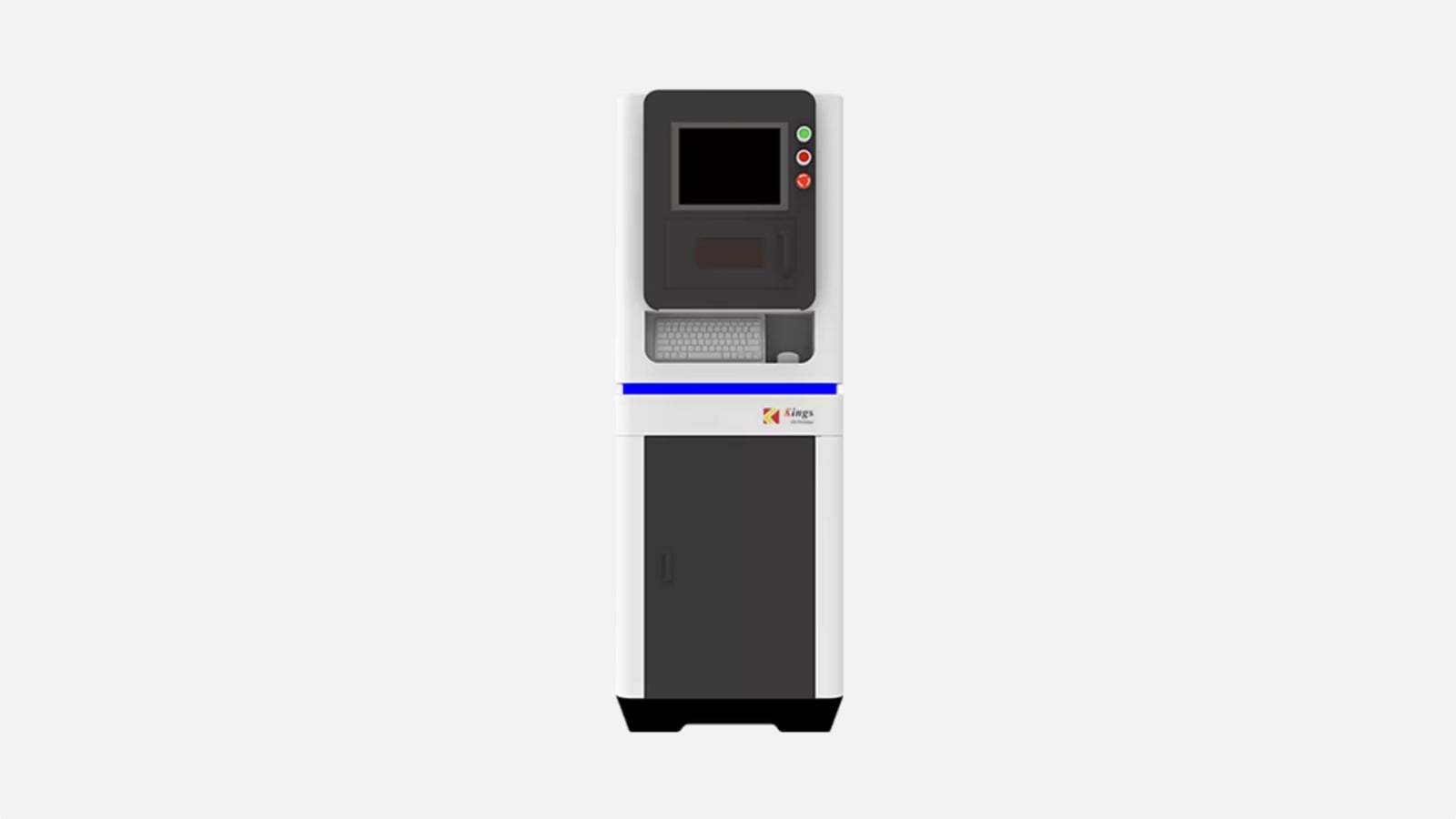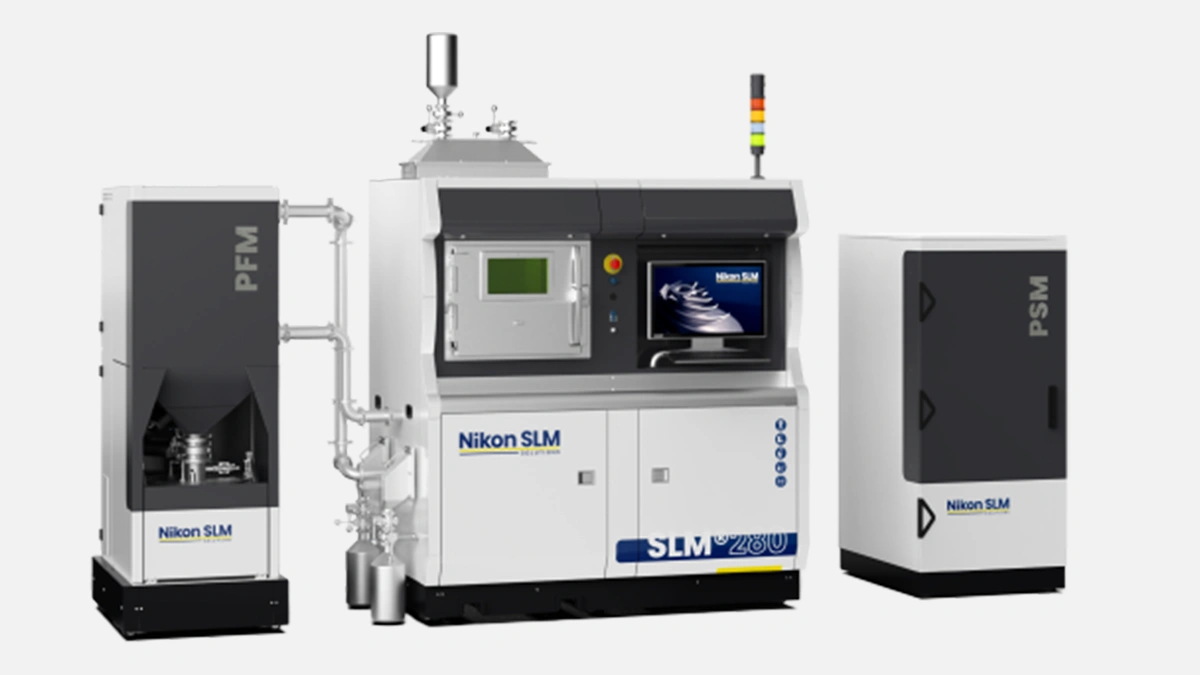
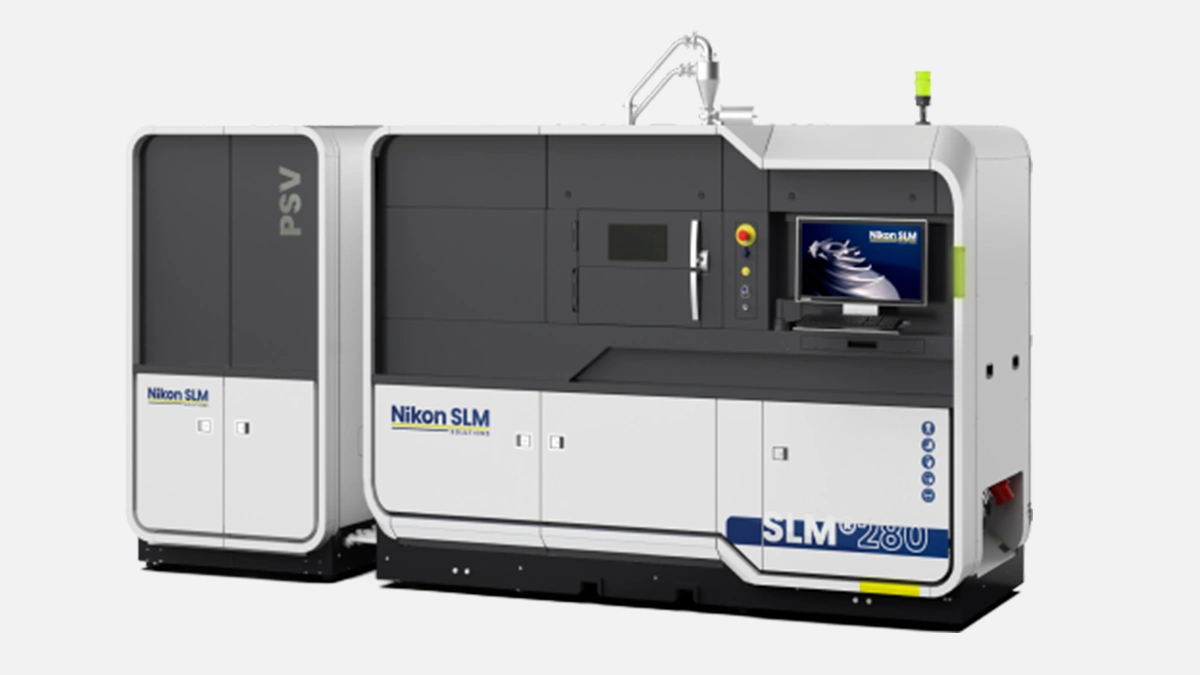
Mid-size SLM®280 2.0 metal 3D printer, dual 400 W lasers, 280×280×365 mm build space.
Metal powder. Next I drop a longer line, because the real world of powder bed fusion rarely fits into a neat tweet sized bite, the SLM®280 2.0 often feels like that one pragmatic engineer on the shop floor who shows up at 07:30, pulls the door of the inert gas cabinet with a gentle knock, and just starts printing parts while everybody else is still juggling coffee cups. The thing works.
Before we drown in anecdotes, here is a tidy block that owners in Dubai, Sharjah, or Abu Dhabi can throw at a colleague who keeps asking for numbers. Read it, argue later.
| Spec | Figure |
|---|---|
| Build envelope | 280 × 280 × 365 mm |
| Laser power per head | 400 W standard, 700 W optional |
| Max scan speed | 10 m/s |
| Layer thickness | 20 – 75 µm |
| Build rate (material dependent) | up to 40 cm³/h |
| Argon consumption | ≈ 2 L/min during build |
| Nitrogen compatibility | yes |
Numbers alone are boring, I know, yet that table quiets procurement. Let us jump into why these digits actually matter on the Gulf shop floor.
Square bed, 280 by 280 mm, depth 365 mm. Sounds modest, feels roomy when you start nesting manifolds in a staggered stack. I once saw a client in Jebel Ali load forty hydraulic fittings in a single job, the batch rolled out after 28 hours and nobody had to tweak support vectors mid run. The rectangular hatch at the front means the operator reaches the far corner without bending like a yoga instructor. Small win, big effect on shift fatigue.
Key take-aways before we wander off:
A tiny detail, yet in older industrial districts of Ajman every square meter is a battle, you will thank that asymmetric layout later.
One head, two heads, both fiber, both German built, both pumped at 1064 nm. The base config ships with a single 400 W channel, most Middle East users I spoke to selected the dual 400 W version, they aimed for redundancy more than higher build rate. If one emitter needs cleaning you limp on a single beam and still meet a tight deadline for that urgent aerospace bracket.
Speed talk in bullets:
Lengthy sentence incoming, brace yourself, because theory always sounds heavier than practice but here we go anyway: the reduced overlap between lasers, paired with a slightly tweaked skywriting algorithm inside the SLM Build Processor 4.5, cuts local heat spikes, so thin ribs stop warping like potato chips when you shoot high nickel alloys at 1160 °C melt pool, alright, period.
SLM Solutions has been pushing closed loop argon flow since 2011, the current cartridge traps metal fumes with a filter cartridge rated at 1000 build hours, that is not marketing fluff, I watched the count tick past 930 in real life before pressure differential alarms finally told us to swap it.
Why bother? Because Emirates Environmental regulations charge steep for metal dust disposal. Lower swap rate, lower paperwork.
The touch panel feels dated next to a smartphone, yet it boots in 90 seconds flat, the menu labels are large, operators in gloves tap with no drama. Inside sits a Beckhoff PLC that talks OPC UA, linking to MES is a straight cable job for most UAE integrators.
Tablets aside, the real hero hides in the CAM seat: SLM Build Processor 4.5 now accepts Materialise or Siemens NX sliced jobs, the import skips mesh repair more often than not. Network send, hit start, walk away. Yes, walk, do not sprint, the inert purge takes roughly 8 minutes.
I love bullet lists for chores, easier to pin on a workshop wall, so here you go.
Between those tasks, daily housekeeping is nothing louder than a vacuum hose and a wipe, plenty of operators manage the care after shift, none stay overtime.
Enough trumpet blowing, time to stack the 280 against two usual suspects that show up in tech specs Google sheets.
| Model | Build volume | Max laser power | Noted downside |
|---|---|---|---|
| SLM Solutions 280 2.0 | 280×280×365 mm | up to 2×700 W | slightly higher argon usage |
| EOS M 290 | 250×250×325 mm | 400 W single | filter swaps every 500 h |
| Renishaw AM 500E | 250×250×350 mm | 500 W single | taller footprint crosses 3.2 m |
Narrative time again, the larger bed on the 280 helps automotive job shops that cluster multiple differential cases in one pass, while the dual beam lets you shave 15 % cycle without compromising surface, that matters when a customer rings Friday afternoon begging for spare parts before Monday.
SLM Solutions markets five metal printers right now, from the tiny 125 to the huge 800. The 280 sits bang in the middle. Earlier it was version 1.0 with a lower door and less gas recirculation, after 2017 we all got 2.0, new feed hopper, beefier PLC, same chassis. Rumor says 900 units of the 280 line run worldwide, of which about 40 are in GCC. Repeat buyers usually move up to the 500 quad laser once orders grow, yet they keep the 280 for R&D because changeovers are faster.
Energy cost in UAE sits low, yet floor rent in zones like KIZAD climbs every year. A printer that stays compact, plugs into a standard 32 A feed, and punches parts all weekend hits a sweet spot. Heat, oh yes, summer hits 45 °C, internal climate module inside the 280 dumps waste heat through the rear exchanger and draws shop air, no chilled water loop needed. I saw units run in a warehouse with only evaporative coolers, they held chamber temp stable.
Local alloy trends also push the model forward:
Education merges with industry here, the machine switches material in half a shift if you own spare build modules, it is messy yet doable, which is more than I can say for big frame competitors that take a full day scrub.
Alright, ripping honesty, the 280 will not break speed records next to a laser array monster like SLM NXG, but most job shops do not need that sledgehammer. You need repeatable geometry, contained argon cost, and a panel your night operator understands without scrolling a 200 page manual. That is what this unit gives.
I end on four core upsides and how they steer buying decisions among Gulf manufacturers. Skip if you already signed the PO.
So yeah, sums up why oil and gas service companies, aviation MRO hubs, and a couple of jewelry outfits as odd as it sounds, keep calling for SLM®280 2.0. It prints, it keeps printing, and it does not complain when the calendar shows 50 degree summer heat outside.