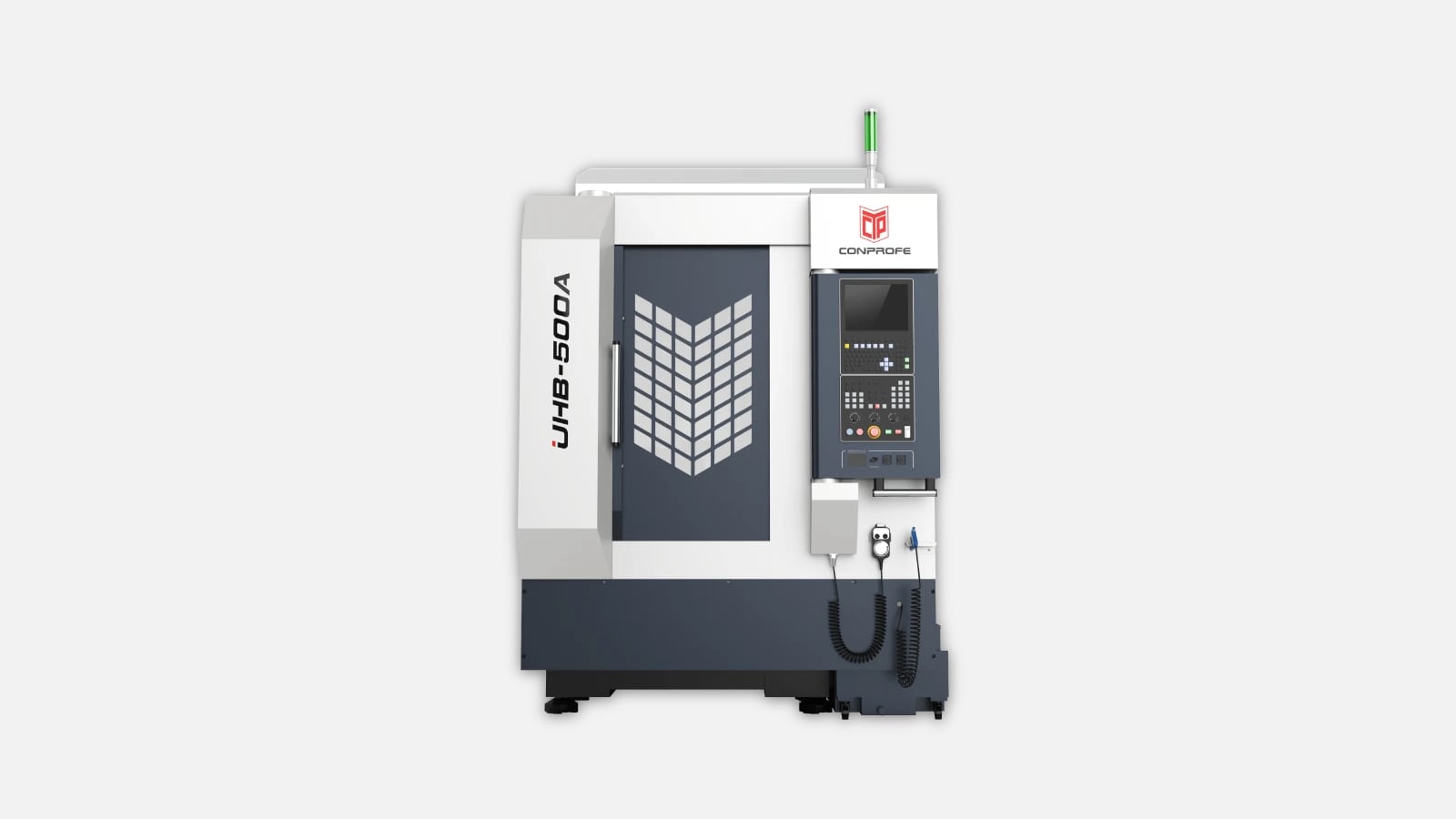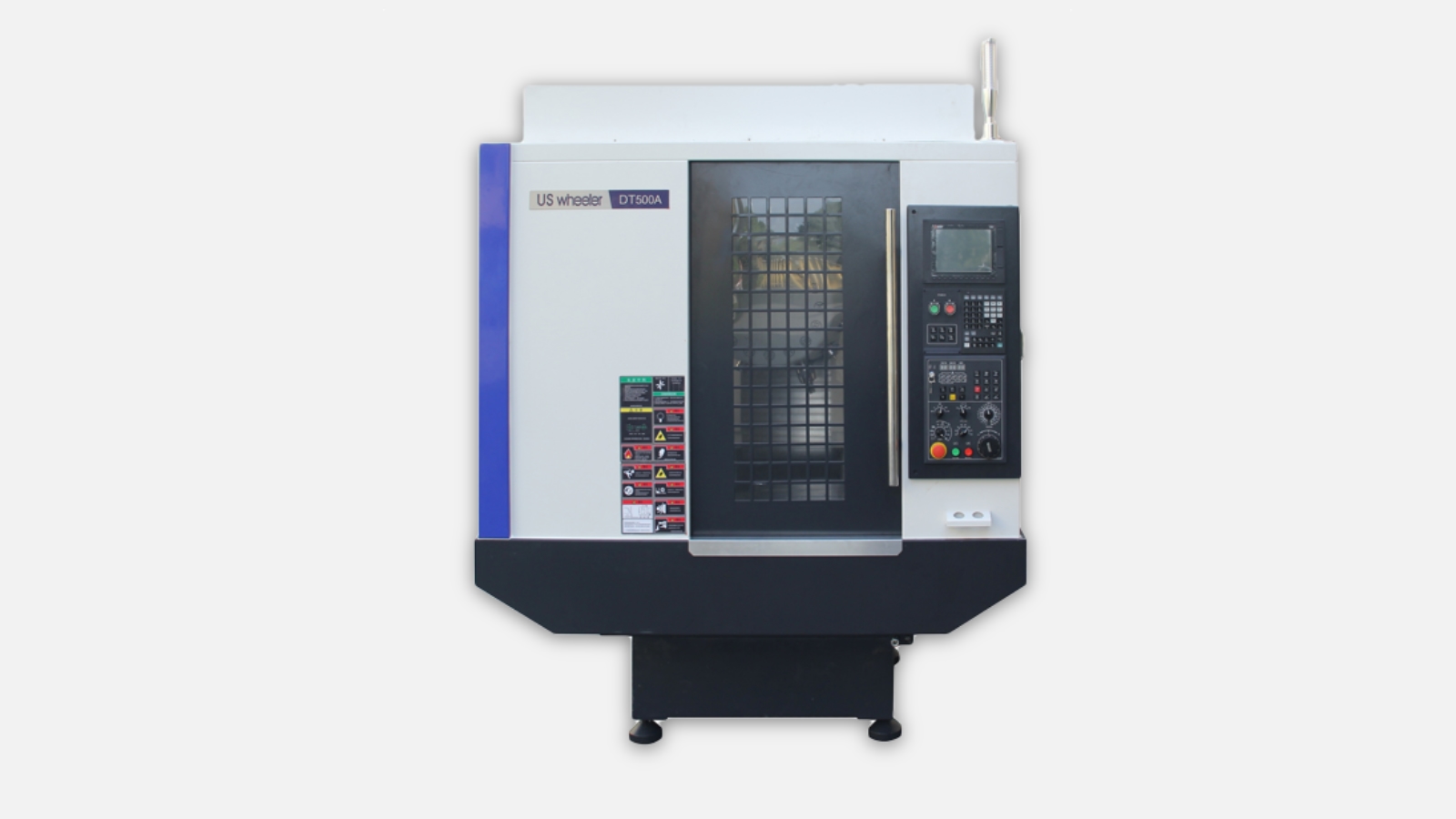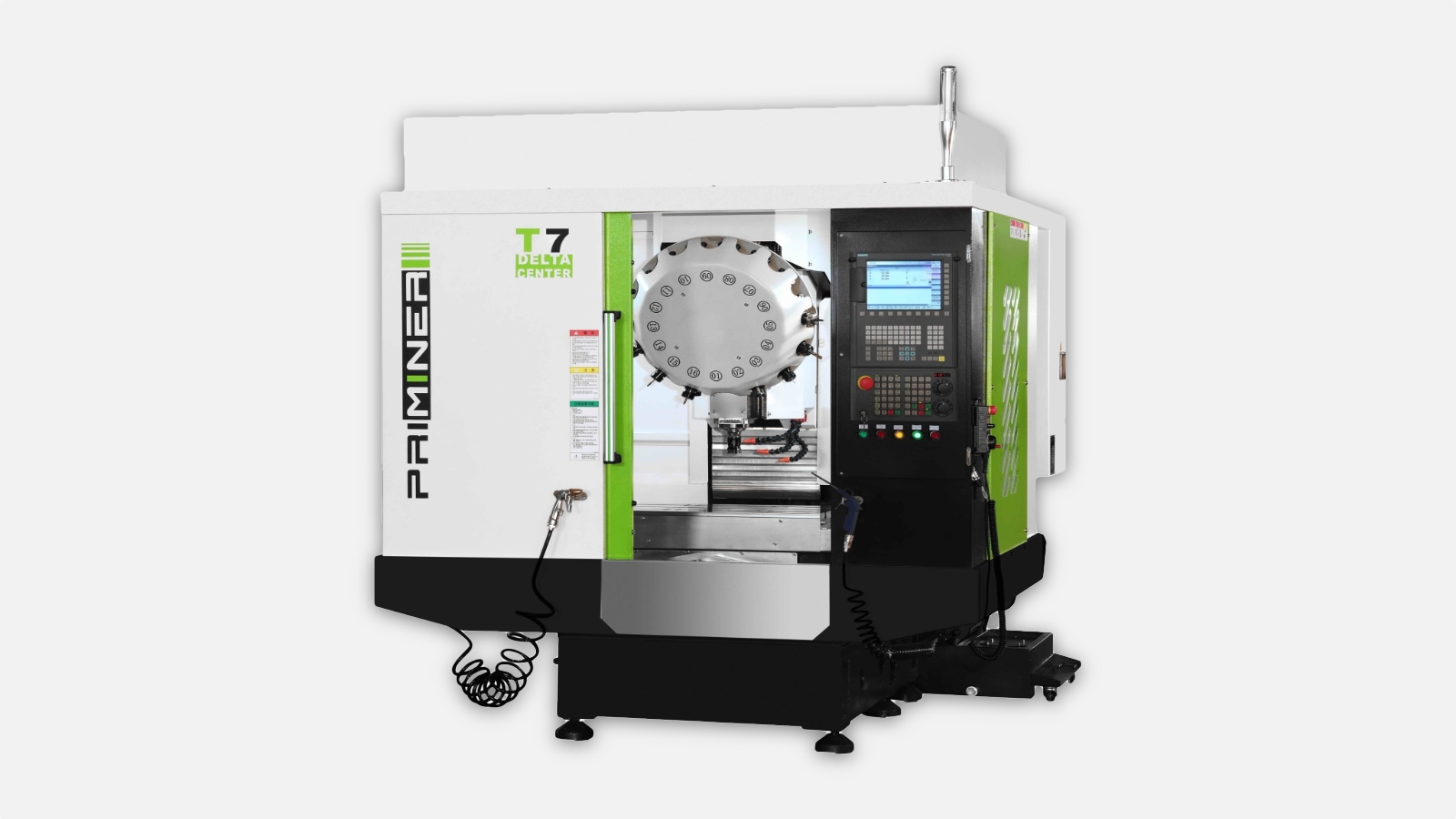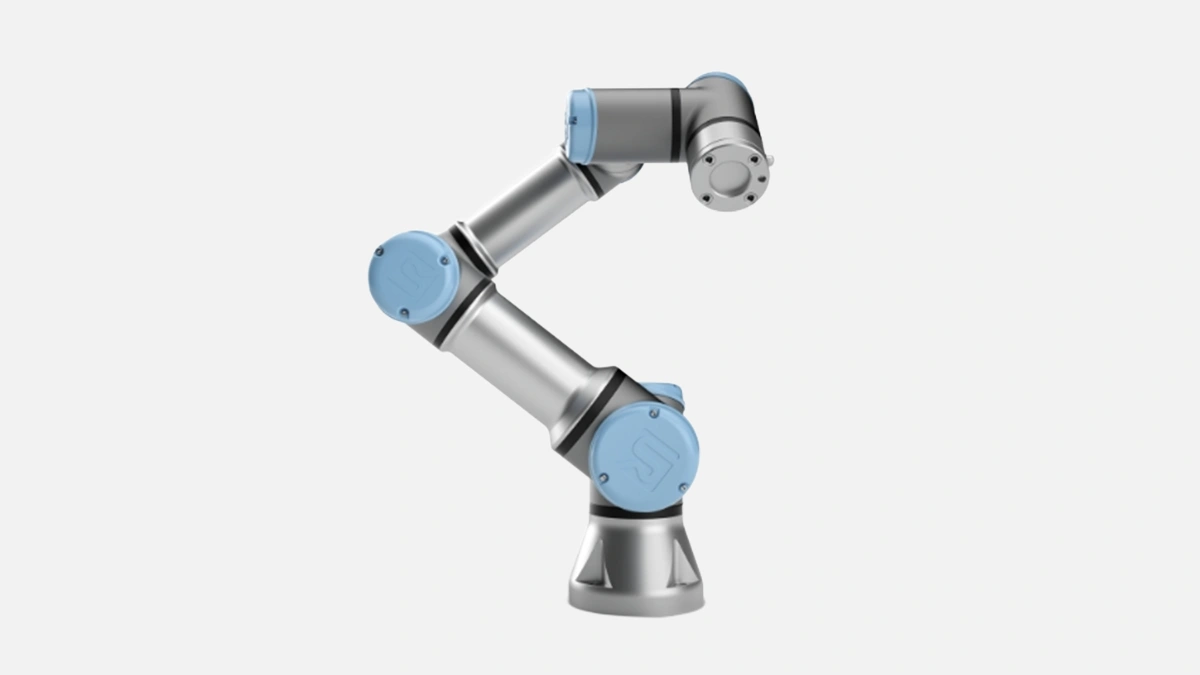
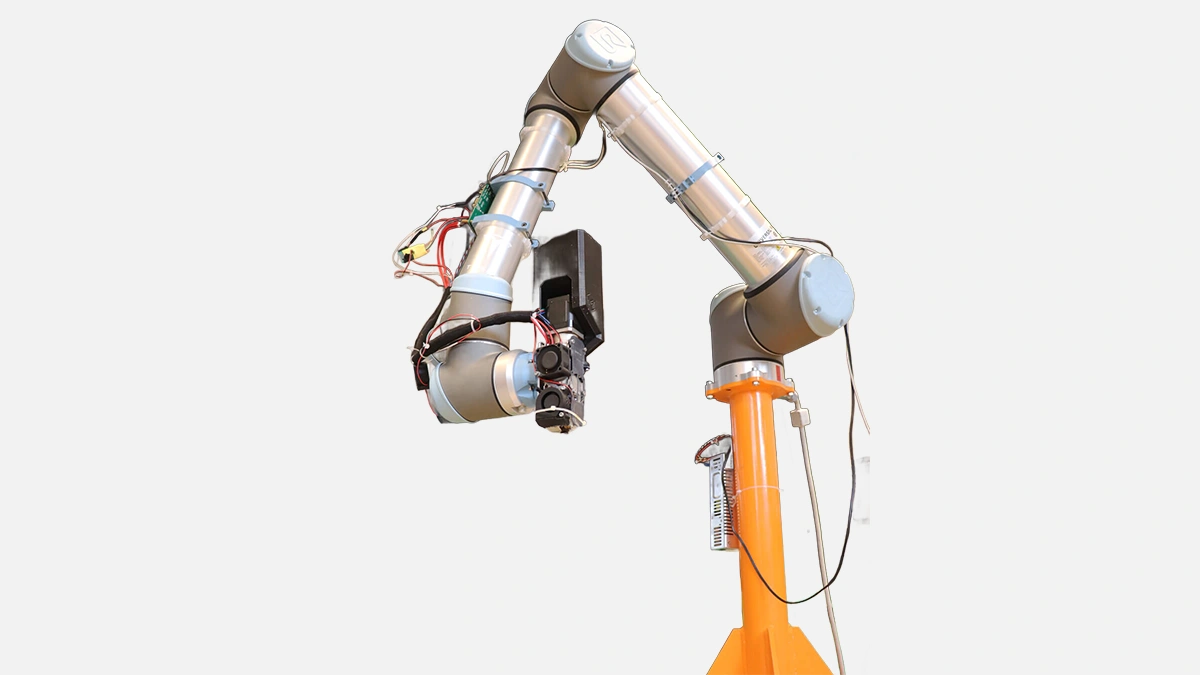
UR10e cobot, 1300 mm reach, 12.5 kg payload, easy drop-in for CNC tending.
Short intro, no ceremony. You run a small-to-mid shop in Sharjah, maybe a laser cell in Jebel Ali, and operators keep drifting to the coffee machine. The blanks pile up. You sigh. The UR10e steps in, quiet, light, not asking for overtime. That’s the vibe.
Yet the market is crowded, no kidding. Six-axis bots from Japan, Korea, even a couple of Turkish newcomers, all promise rosy cycle times. Still, UR10e keeps popping up on shop floors. Weird? Not really. A string of practical points, let me unpack them.
Universal Robots has been shipping cobots since 2008, roughly when the first iPhone felt shiny. The UR10e is their long-reach horse. 1300 mm span, that is a human arm plus a bit. Payload bumped from 10 kg to 12.5 kg in 2021, I remember the firmware note, people on Reddit cheered, some doubted the motors, turned out fine.
The arm weighs only 33.5 kg, so two operators can literally carry it across the shop, bolt it next to a CNC chuck, hit “Move” on the teach pendant. No forklift, no crane, a morning job.
Before jumping to glossy specs, quick reality check. Repeatability sits at 0.05 mm, not laser-grade but enough for loading a Haas ST-20 or polishing acrylic panels. If you need micron chasing, look elsewhere. If you just need the robot to drop billets exactly on the soft jaws, this tolerance feels comfy.
Below you will see dry numbers, but numbers speak louder than any brochure. They help you plan tact time.
| Axis | Max speed (deg/s) | Range (deg) |
|---|---|---|
| Base | 120 | 360 |
| Shoulder | 120 | 360 |
| Elbow | 180 | 360 |
| Wrist 1 | 180 | 360 |
| Wrist 2 | 180 | 360 |
| Wrist 3 | 180 | 360 |
Two sentences to put that table in context. All joints spin faster than a human can track with bare eyes, which matters when the spindle stops and you want the next blank already in jaws. Also, each axis having a full 360 deg sweep simplifies path teaching, you rarely hit a hard limit.
You unpack, find four M8 bolts, a quick-start sheet, and that polite Danish smell of cardboard. First boot asks language, network, safety limits. Ten minutes, done. The hardest part is convincing IT to open a static IP.
Then the elephant, safety. The UR10e holds an ISO 10218-1 compliant stop, so you slap on a light curtain or leave it naked on the floor, depends on your risk assessment. Force monitoring kicks at 150 N default, you can tune it. I once set it to 80 N to work next to a fragile laser lens, the arm slowed but never stalled.
Before the next list two lines are due. People often worry about integration with legacy CNCs built in 2002 that talk only RS-232. Good news, the control box understands Modbus and simple dry contacts, so worst case a 24 V relay and you are good.
Two closing sentences for the list, rules are rules. That four-point cheat sheet is usually enough for a maintenance chief to sign off the hardware interface. Anything deeper, you call UR support in Dubai, they pick up.
Polyscope GUI looks dated, still, operators grasp it in half a shift. Drag-and-drop nodes, waypoints, loops. Scripting nerds jump into URScript, a Python-ish flavor. Timeouts, threads, no rocket science.
A separate note on ROS. If your plant runs a central ROS2 orchestrator, the UR driver is maintained, not perfect, but issues get patched on GitHub weekly. Real talk, latency hovers around 7-10 ms roundtrip on Gigabit, absolutely fine for palletizing.
Second promised list incoming, but first two warm-up lines. Shops in Abu Dhabi often ask about vision packs for sorting sand-blasted parts with random orientation. UR+ ecosystem has dozens, Keyence, Pickit, Cognex, they plug via USB3.
Two wrap sentences, again. I tried the strain gauge calibration once, a bit clunky but once sorted the force feedback felt smooth for wax mould finishing. Overall the stack feels predictable, which is all we really ask.
Fanuc CRX-10iA? Heavier, costs more, payload same. Doosan M1013? Sexy curves, slightly better TCP speed, support in Gulf region still patchy. Techman TM12? Nice built-in camera but only 1100 mm reach, that extra 200 mm matters when you side-mount on a VF-4.
So UR10e is not the fastest, not the cheapest, but the balance of reach, weight, and the frankly gigantic UR+ catalog keeps tipping decisions its way. One more factor, spare parts ship from Odense within 4–5 days max, beats waiting 3 weeks for a custom harmonic drive from Korea.
Quick note, because confusion happens. UR e-Series includes UR3e, UR5e, UR10e, UR16e, UR20. Same control box, same Pendant, different motor torque stacks. Inside the UR10 lineage itself there were 3 silent revisions, mostly encoder upgrades and the payload bump I mentioned. If you find a used 2019 unit, firmware v5.7, you can flash it to current and unlock the full 12.5 kg, no mechanical swap needed.
Humidity, dust, those nasty 45 °C afternoons. IP54 means you cannot hose the arm, but regular air purge keeps sand out. We ran one at an anodizing line, ambient peaked 52 °C, no thermal fault, though we did add a small fan on the cabinet door.
Energy cost matters in Dubai where kWh tariffs bite at peak. Typical draw is 350 W, that is less than a standard 1-hp compressor. Over a 10-hour shift you burn roughly 3.5 kWh, pocket change beside a 30 kW VMC.
No grease nipples. Harmonic gears are sealed for life. You only swap wrist seals every 5000 hours, ten minutes. Encoder batteries live 5 years, CR2032 cells, cheap. That is it.
A sheet-metal shop in Ras Al Khaimah logged 97.2 % uptime across 18 months on two UR10e units feeding a Trumpf TruBend. The only downtime was a snapped gripper cable, user error, fixed same day.
The UR10e is not glamorous, it simply gets the job done. Reach is long enough to span two CNCs, payload covers most steel billets under 12 kg, setup is coffee-break short. That odd mix keeps it relevant even with new kids on the block.
If your plant needs an extra pair of programmable arms without ripping the floor apart, this model stays on the shortlist. No wonder contract shops, aerospace sub-tiers, and even R&D labs pick it. Works, period.