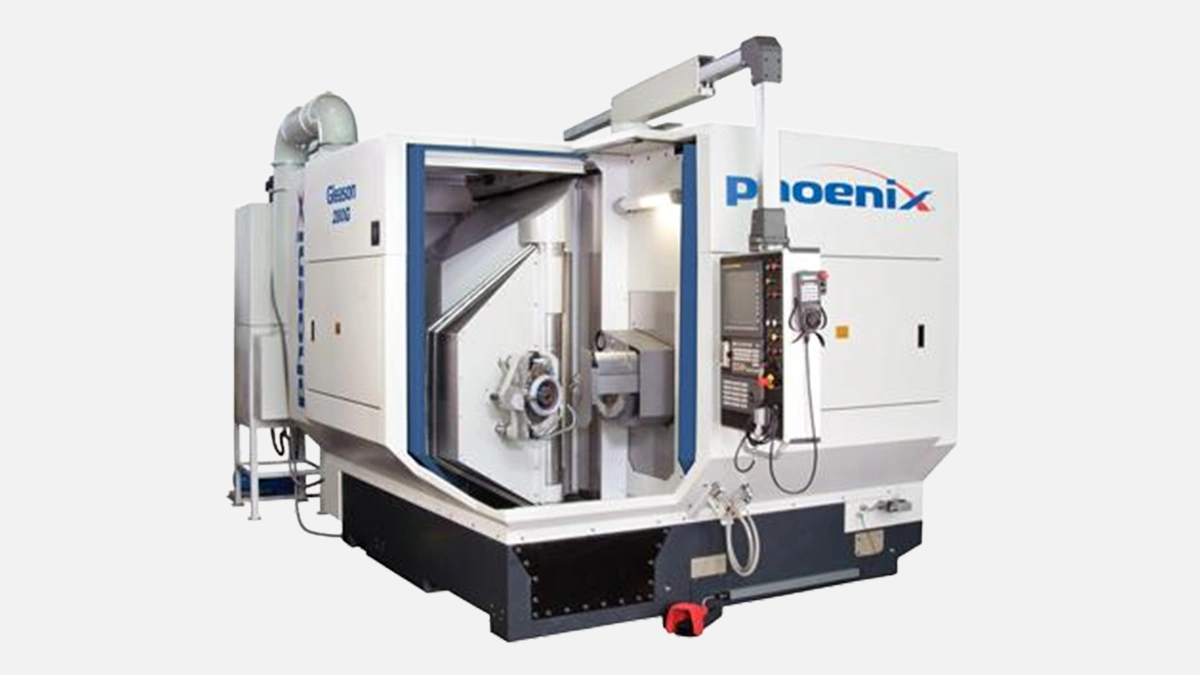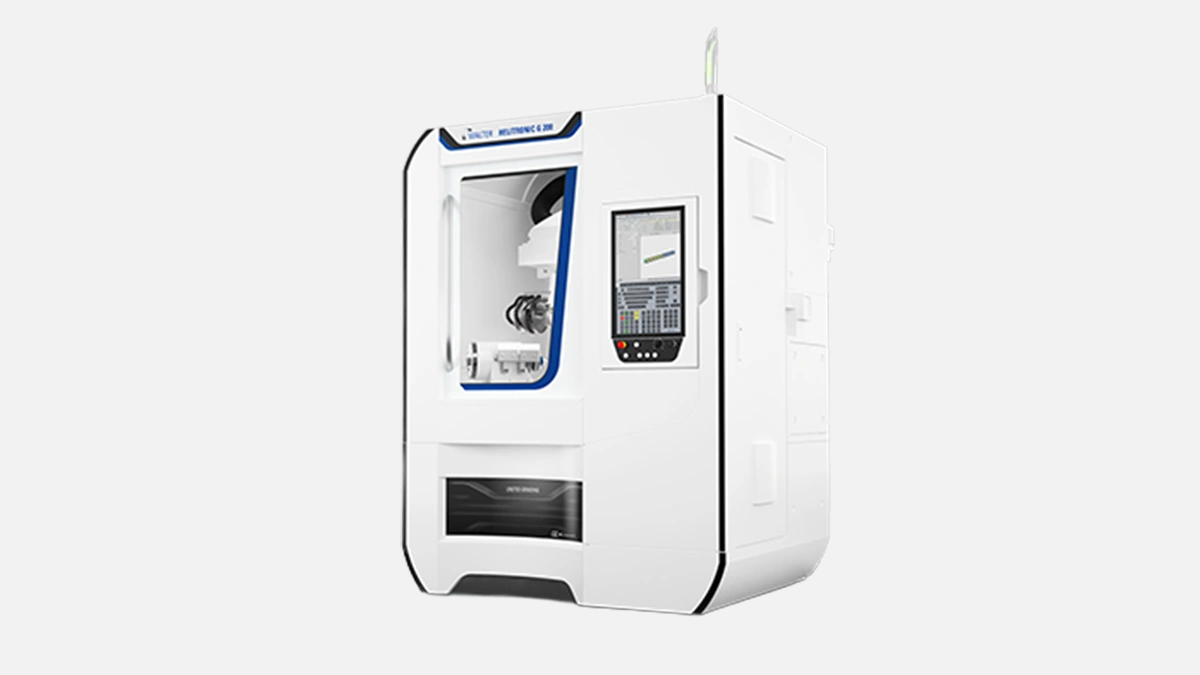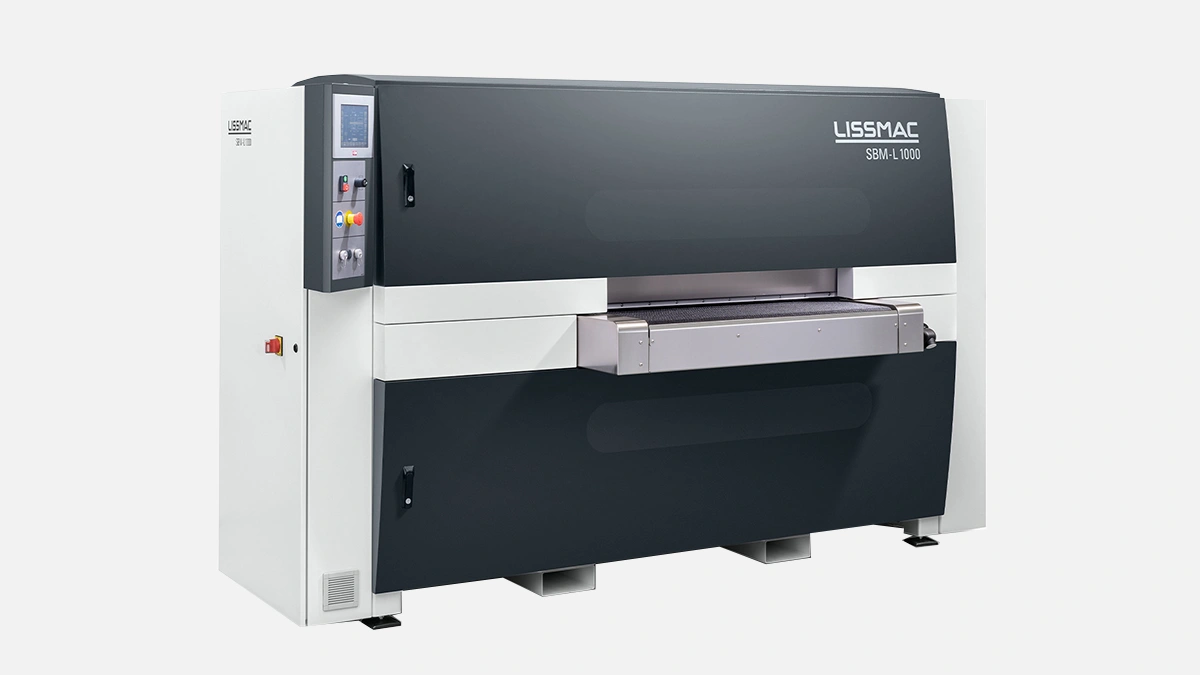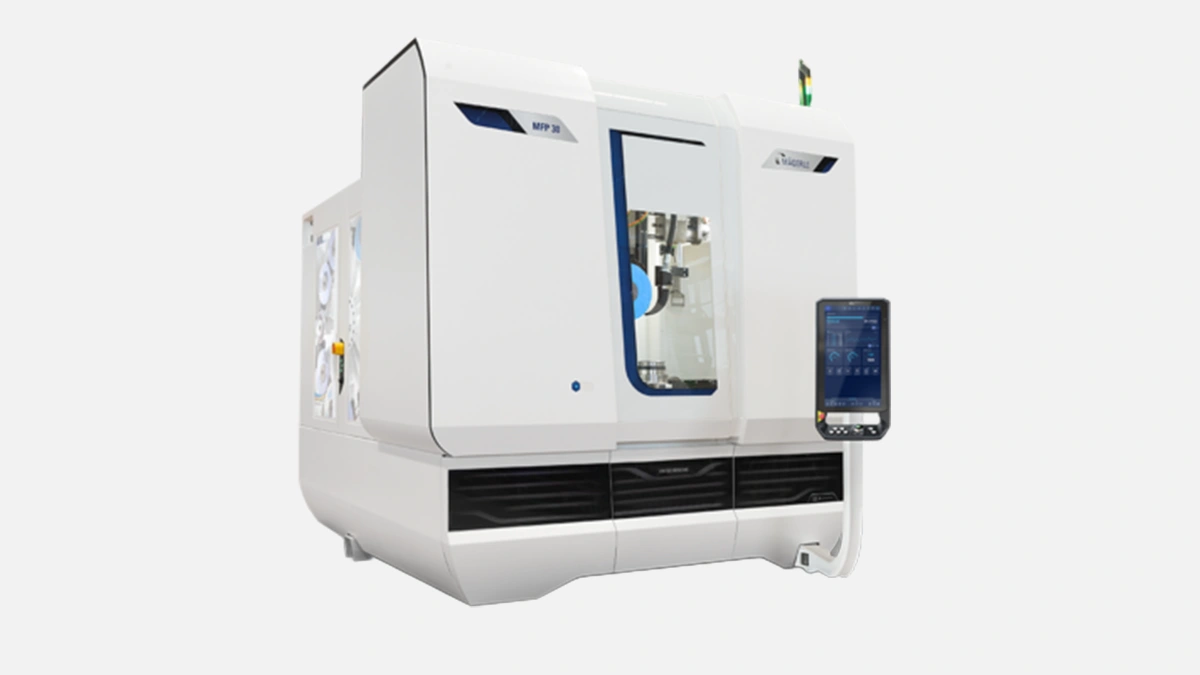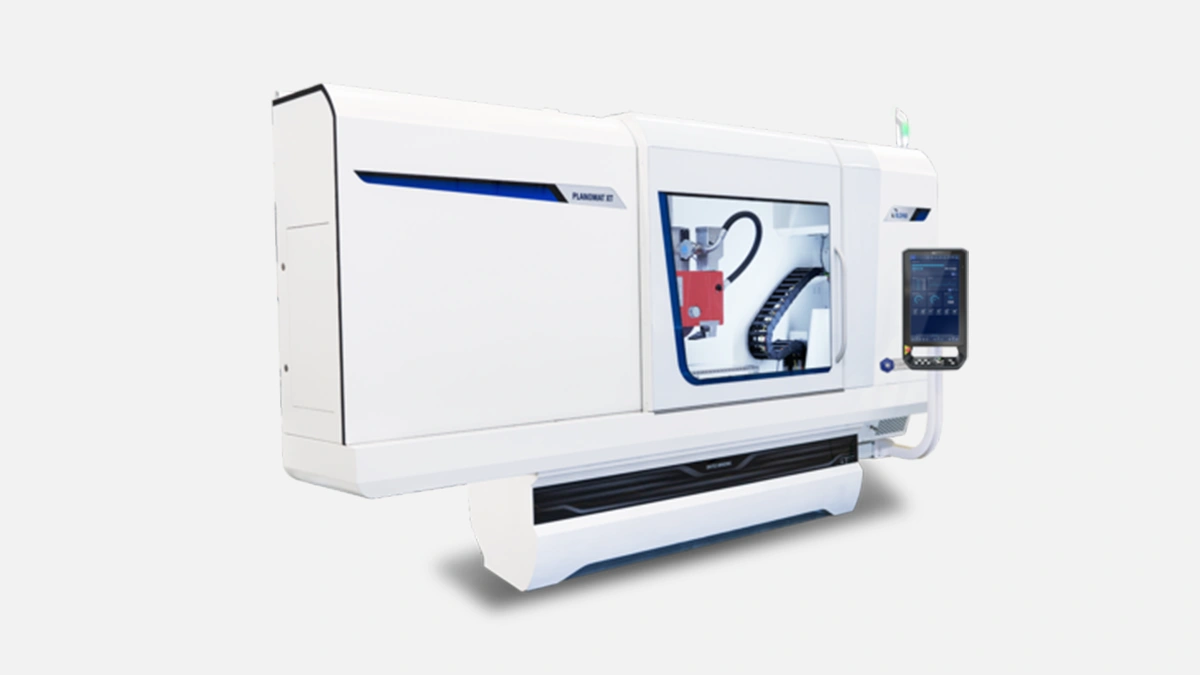
BLOHM PLANOMAT XT surface grinder, 800×400 mm table and 23 kW spindle power for precision flat grinding.
Short, sharp, straight. PLANOMAT XT. A flat grinder that just keeps pushing. Then suddenly my mind wanders and I remember the acrid smell of coolant around 1998 when I first met a BLOHM on a crowded shop floor, the spindle howled yet the finish looked like glass, and I thought right, that is how steel should sparkle. Fast forward, the XT iteration feels both familiar and fresh, not flashy, just honest steel removal turned into a controlled ritual.
BLOHM as a badge is not a newcomer. The Hamburg plant has been turning out surface grinders for over 60 years, roughly 14 000 units in total according to their own production logs. The XT line itself is the fourth refresh of the Planomat family, popping up in 2019 with three frame sizes 408, 412, 416. All share the same column and cross slide concept, only the table length differs. That modular idea keeps spare parts sane, a thing many Gulf workshops quietly appreciate because downtime under the desert sun gets brutal.
Chunky Meehanite cast iron, still king. No fancy polymer concrete here, just mass. The base tips the scale at around 4.2 t for the mid model, more if you bolt on the linear motor package. The linear axes ride on preloaded roller guides, and BLOHM went for direct drives in X and Y, ballscrew in Z, a pragmatic mix that keeps reaction forces soft on the vertical column. The table top gets a double V and flat guideway layout, scraped by hand, a weirdly satisfying craft to watch.
Before we go any further, eyes on a quick spec sheet, because lists make heads clear:
| Axis | Travel | Max speed | Drive type |
|---|---|---|---|
| X | 870 mm | 40 m/min | Linear motor |
| Y | 450 mm | 20 m/min | Linear motor |
| Z | 375 mm | 10 m/min | Ballscrew |
Numbers are fun, sure, but context matters. That X stroke means you can clamp a 800 mm long fixture plate and still keep safety margins for hydraulic chucks. The Y slide clears 400 mm wheel diameter without the guard bumping into the dresser. Meanwhile the ballscrew lift in Z feels pedestrian until you stack a height measuring probe and realise repeatability stays inside ±0.002 mm all day, even when the AC bangs on and the shop drops from 38 to 26 °C after lunch.
Short story, quick bullets.
And after the bullets, a breath. The stuff above sounds dry until you picture a batch of 300 stainless pump plates that need 0.01 mm flatness. One dude, one shift, one grinder. Linear motors let him finish before dinner instead of dragging to midnight.
The wheelhead mounts a 23 kW permanent magnet spindle, water cooled, nominal 1 500 rpm for the 400 mm wheel translates into roughly 35 m/s surface speed, perfect for alumina abrasives on tool steel. You can crank it to 50 m/s with CBN if you swap the guard, BLOHM sells the kit, but most shops in Dubai stick to the stock hood because custom guards get flagged during yearly safety audit.
What I really enjoy is the twin-slide dresser bolted on the right side. Diamonds stay out of the splash zone, dressing time drops to about 8 seconds per wheel edge. Sure, you lose maybe 5 mm of table travel, but no one uses the last 30 anyway.
Siemens 840D sl. Old friend. You talk he listens. The touchscreen panel feels snappy, even with greasy gloves. BLOHM wrote a macro pack named EasyProfile where you fill 4 fields, hit Cycle Start, walk away. One Abu Dhabi operator joked he spends more time scrolling TikTok now. Side effect, fewer typos, fewer scrap parts.
Connectivity wise the cabinet ships with Profinet and OPC UA. Hook it to your MES, push part counts every 60 seconds, make the boss smile. Cybersecurity freaks can shut ports and still run a mirrored SSD image in under 10 minutes if ransomware ever sneaks in. Not that it happens often, but after the 2021 Al Quoz incident shops got paranoid.
Everybody underestimates coolant. XT uses a belt skimmer, bag filter and a 300 l tank as standard. You may add the cyclonic filter rated 50 l/min at 20 µm, pricey yet worth it the moment you cut Inconel. With clean coolant the wheel keeps form for roughly 1 000 parts instead of 600. Do the math on abrasive cost, it pays in 90 days.
Time to pit the XT against usual suspects. Okamoto ACC-64, Chevalier FSG-2040, and the Italian Delta LC400. All three can grind a similar envelope, but the devil is in motion tech.
XT counters with full linear package, digital scales, higher wheel power. Interesting twist, the BLOHM footprint is actually 10 percent shorter than the Chevalier because the electrical cabinet sits on top, not behind.
Inside the XT family you find these siblings:
Core iron is identical, travels stretch, spindle stays at 23 kW. So a shop can start with the baby and later buy the long bed, operators feel at home instantly.
Let me spit a quick list, then we dissect why it matters for the Gulf.
Back to chat. Oil and gas guys love the machine because it shrugs off duplex stainless which tends to gum wheels. Aerospace folk care about traceability, the 840D stores every override, prints a PDF, management sleeps better. Medical tooling wants tight corners, the table cross slide holds ±2 µm over full stroke, so EDM polish time drops.
Not glamorous but important. BLOHM quotes spindle bearings rated 20 000 hours. Consumables boil down to coolant bags, hydraulic oil for the vertical counterweight, and wheel flanges. Electricity draw measured by one Ras Al Khaimah plant averaged 18 kW during roughing, 11 kW during spark-out. Add compressed air 6 bar at maybe 50 l/min, negligible.
I called three foremen, different moods, here are snippets:
Wrap up. BLOHM PLANOMAT XT is a workhorse, not a show pony. Rigid base, linear drives, decent spindle punch. Fits floors where uptime trumps fancy bells. Most buyers around here are medium batch shops grinding tool steel all week then shuffling to Inconel on weekends. They pay for reliability, they get it.
Last line, promise. If you need fast passes, accurate mapping and a control that even a fresh hire can understand, stick the XT on your shortlist, bolt it down, and let the swarf fly.